I keep coming back to one question: what does it really mean to verify someone in a digital economy that’s growing as fast as the Middle East? As new markets expand and cross-border opportunities increase, the need for reliable, portable credentials becomes more important than ever.
That’s where Sign starts to feel relevant.
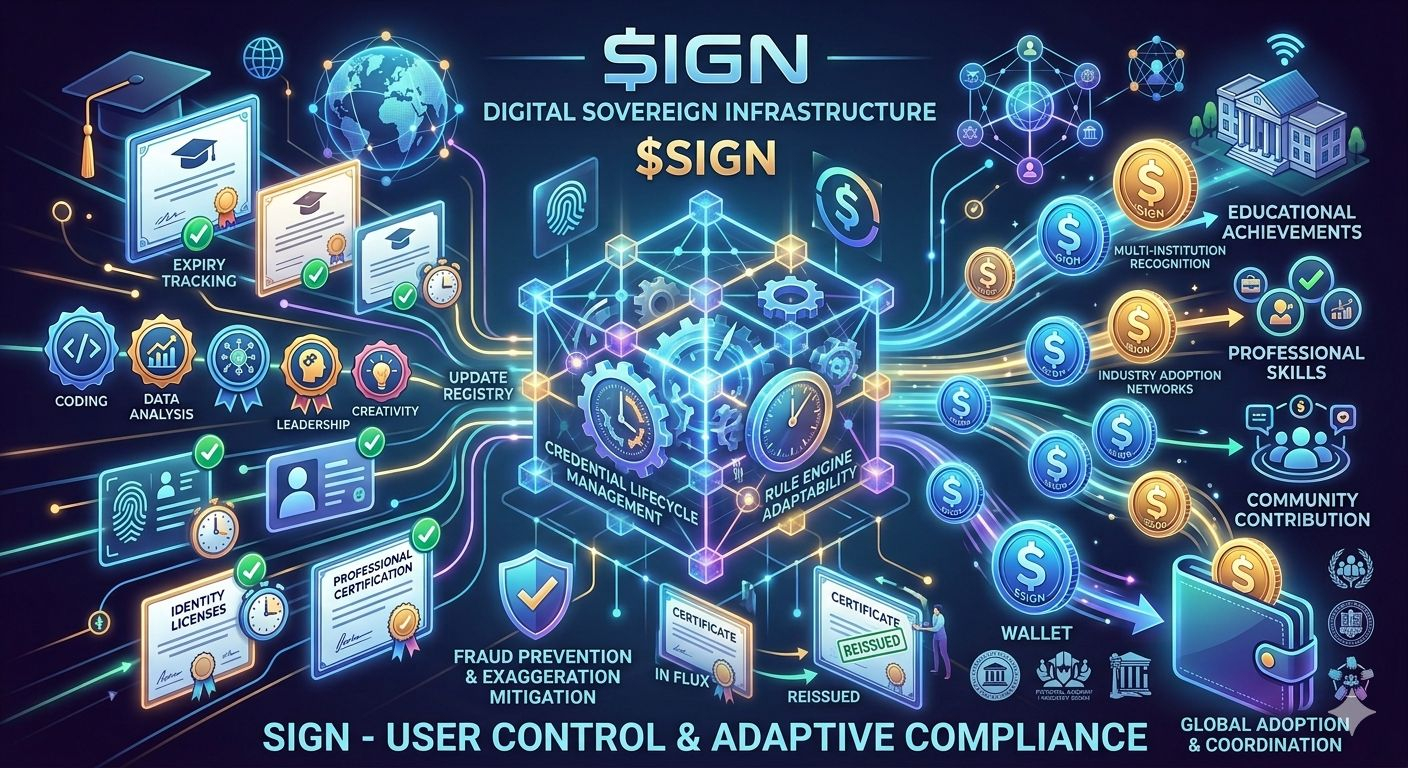
Instead of relying on slow, fragmented systems, @SignOfficial is building infrastructure where credentials—education, work history, certifications—can be issued once and verified anywhere. It’s not flashy, but it solves a real problem. In regions pushing for rapid economic growth, especially across the Middle East, reducing friction in trust and verification could unlock serious potential.
What stands out is the shift toward user ownership. Individuals hold their own credentials, making them portable across platforms and borders. That creates flexibility for talent mobility, remote work, and digital economies that aren’t limited by traditional systems.
Of course, adoption is the real challenge. For something like this to work, institutions, developers, and users all need to align. That’s never easy, especially in diverse and evolving markets.
Still, the idea is strong. If Sign can position itself as a standard for verifiable credentials in high-growth regions, it could become more than just a tool—it could turn into core infrastructure supporting digital economies.
It’s early, but definitely worth watching how this develops.
@SignOfficial $SIGN #SignDigitalSovereignInfra