
What if the biggest problem in Web3 isn’t speed or cost but trust?
Today, you can send money, trade tokens, and interact online in seconds. Everything feels fast and easy. But there’s still one big question:
Can you trust the data you’re seeing?
Our main concern : “Trust Me” Isn’t Enough
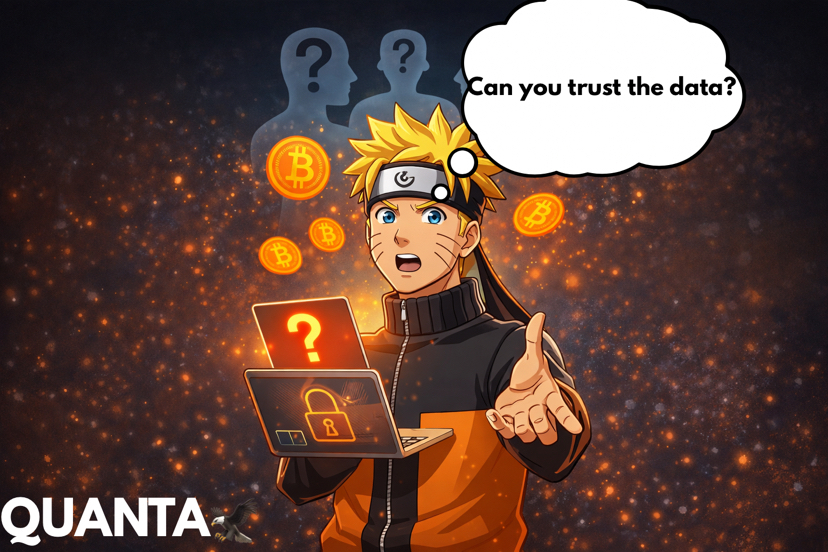
In Web3, many systems still depend on assumptions.
You see a wallet, a transaction, or a credential but how do you know if it’s real?
▪️Is this identity verified?
▪️Is this data accurate?
▪️Can this credential be trusted?
Without clear understanding, users take risks without realizing it.
The major Shift: From “Trust Me” → “Prove It”
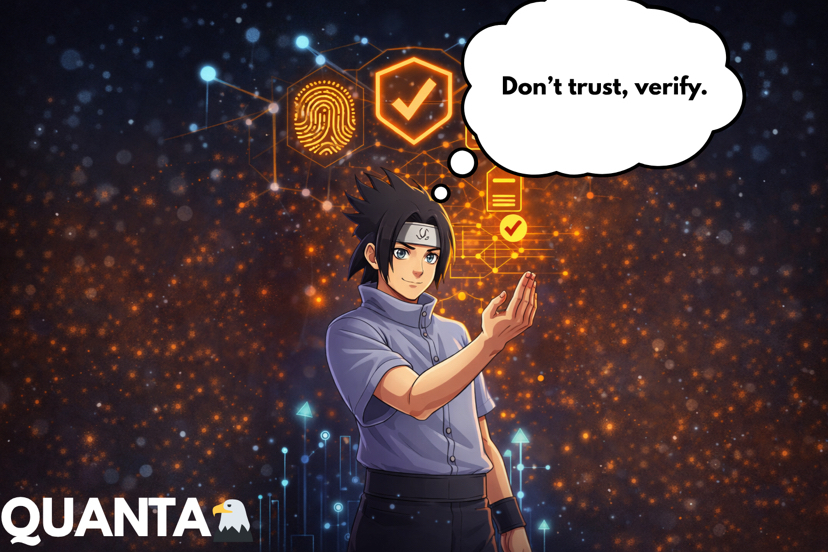
This is where @SignOfficial and $SIGN come in.
Sign is building infrastructure that allows information to be verified on-chain.
Think of it this way:
▪️Instead of saying “Trust me, this is real”
▪️You can now say “Here’s proof, verified on-chain”
This also applies to:
▪️Identity
▪️Credentials
▪️Agreements
▪️Transactions
with Sign everything becomes transparent and easy to confirm.
How does this work? (A clear view)
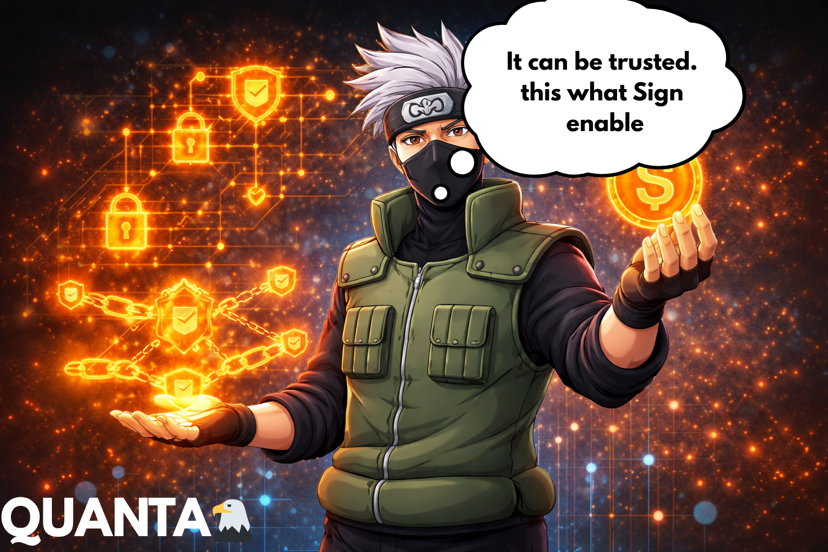
Sign creates a system where data can be:
▪️ Verified
▪️ Stored securely
▪️ Shared with proof
So instead of guessing, users can check and confirm instantly.
This plays a major role because, as Web3 grows, more people and businesses will join. But growth without trust leads to confusion, scams, and inefficiency.
With $SIGN :
▪️Systems become more reliable
▪️Users feel safer
▪️Businesses can scale with confidence
The future of the internet isn’t just decentralized it’s verifiable. And @SignOfficial is building the layer that makes this possible.
Because in the end, the real power of Web3 isn’t just freedom…
…it’s trust you can prove.