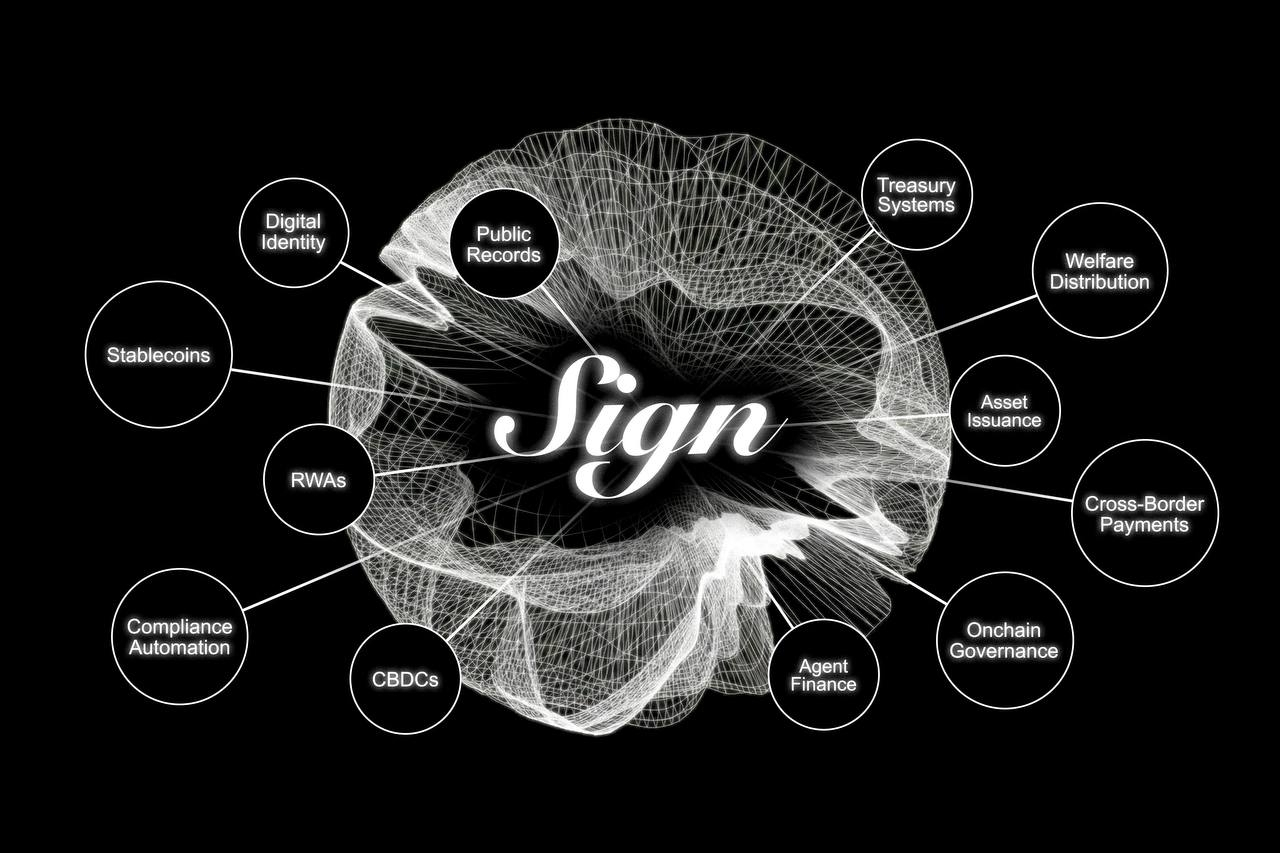
Most systems today rely on trust.
We trust banks, institutions and platforms to “get things right.”
But scaling these systems across multiple agencies, networks and jurisdictions makes trust fragile. Errors happen. Approvals get delayed. Fraud slips through.
That’s where S.I.G.N. stands out.
Instead of asking users or institutions to blindly trust systems it focuses on proof verifiable records of every action.
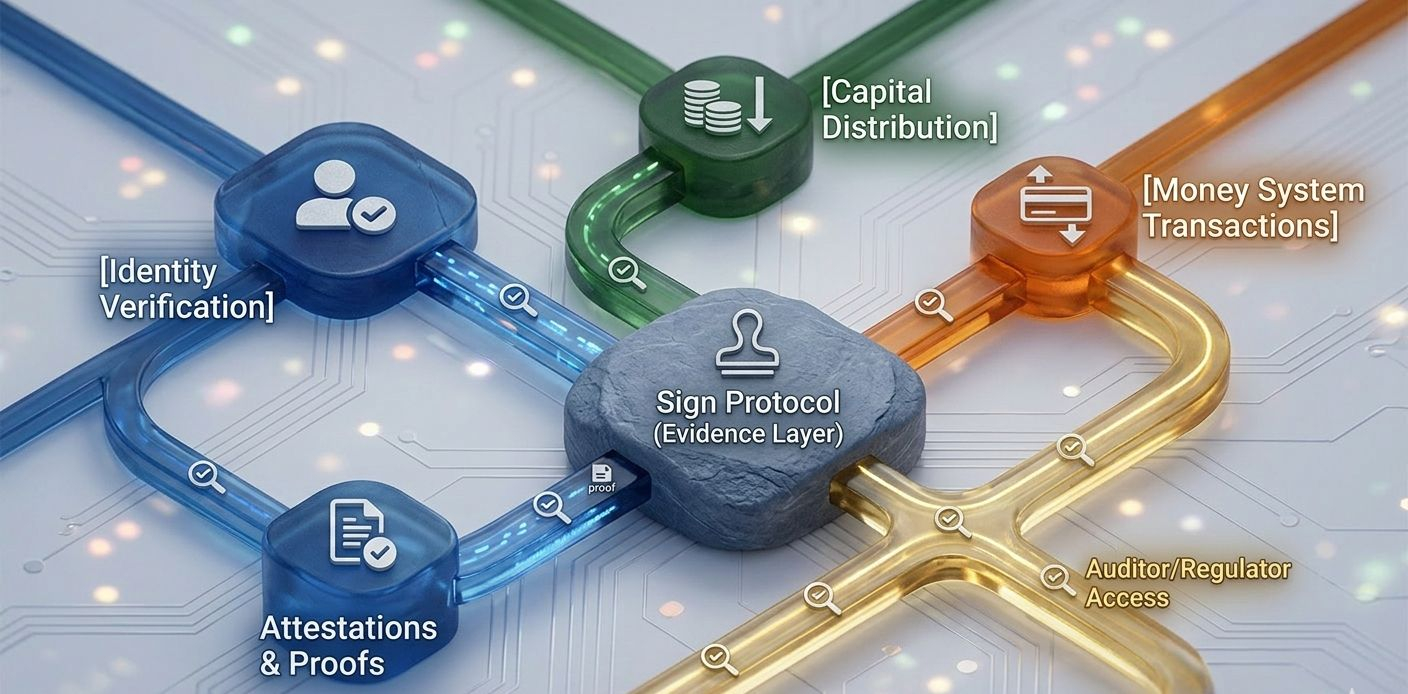
Powered by Sign Protocol S.I.G.N. connects three critical layers:
1. Digital Money: CBDCs and stablecoins are not just transferred every transaction is traceable and auditable.
2. Identity: Verifiable credentials ensure eligibility or compliance without exposing sensitive data.
3. Capital Programs: Grants, incentives and benefits are executed with complete transparency leaving no hidden steps.
I personally found this fascinating because it flips the traditional mindset.
Instead of assuming systems work S.I.G.N. forces verification at scale.
Imagine a government program distributing benefits:
☞ Eligibility checks are completed via credentials
☞ Approvals are automatically recorded as attestations
☞ Payments are executed and fully verifiable
No manual reconciliation. No hidden errors. Every step leaves a verifiable trail.
Many blockchain projects focus on flashy features, speed or hype. S.I.G.N. however, addresses real-world inefficiencies.
It’s not about tech for tech’s sake it’s about trust you can prove.
I also like how it balances privacy and auditability. Sensitive data can remain confidential yet verification doesn’t break.
That’s rare in today’s systems, where privacy often conflicts with accountability.
For me, the takeaway is clear. Proof over trust isn’t just a concept. It’s a framework for better governance, better accountability and safer digital ecosystems.
If S.I.G.N. scales, governments, institutions and even private organizations could rethink how they design systems.
Instead of asking citizens or users to trust, they could provide verifiable proof.
And honestly, that’s the kind of shift that could change everything.
Because when proof exists, accountability becomes natural, efficiency becomes measurable and trust becomes meaningful not just assumed.
What do you think? Could proof-based systems replace traditional trust models in real life?