
There has been a change in the way people talk about Web3. Not long ago people were talking about how fast things could go how much it would cost and how many things a network could handle at the same time. Making things go faster seemed like the problem.. It is still important. But now that we are seeing more real things being done with Web3 another problem is becoming more important even if it is not getting much attention.
This problem is about trust or more specifically how to know who or what you are dealing with on the Web3 network.
When people use Web3 systems they are doing so without the safety of systems. There is no one in charge to check who people are make sure they are who they say they are or help when things go wrong. This openness is powerful. It also creates a gap. You can move things around quickly. You cannot always be sure who is on the other end.
This is where verifying credentials starts to matter more than making things go faster.
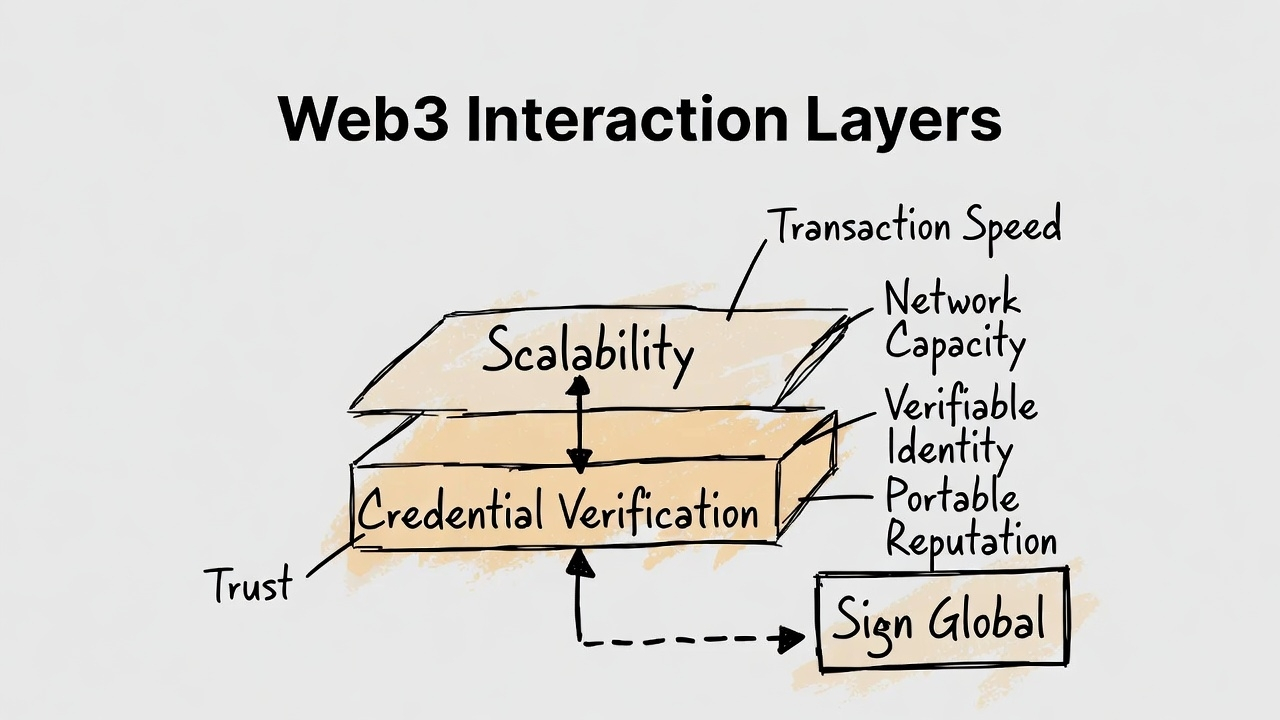
Projects like @SignOfficial are trying to fix this part. Of just focusing on how fast information moves they focus on how reliable that information is. The idea is simple. If users organizations and even smart contracts can have credentials that can be verified then working with Web3 becomes more meaningful and less risky.
Think of it like this: making things go faster is like building roads but verifying credentials makes sure that the people using those roads are who they say they are.
In the Web3 world, who you are is often just a wallet address. While that works for transactions it is not enough when things get more complicated. For example some platforms may want to know if someone meets requirements. Some groups may want to make sure that the people voting are really part of the group. Even simple person-to-person interactions can benefit from having a reputation that can be verified.
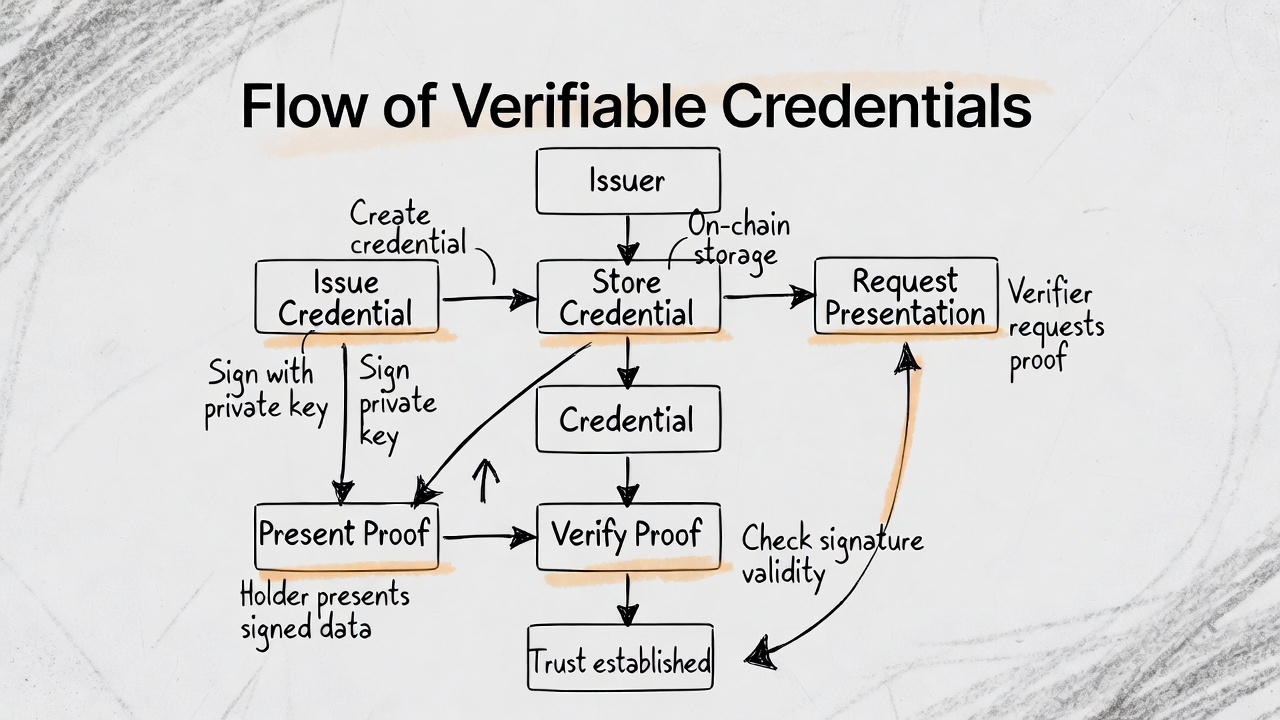
Sign Global is doing this by allowing people to make statements on the Web3 network. These statements can be given, stored and checked without needing someone in charge. Over time a user or organization can build trust that follows them around the Web3 world.
This changes how trust is formed. Of relying on individual systems trust can be taken from one place to another.. That is something that just making things go faster cannot do.
This approach is not without problems.
One of the risks is about privacy. As more credentials are tied to Web3 identities there is a concern about how much information can be seen or tracked. Even if systems are designed to show certain information the balance between being open and private is delicate. If not handled carefully users may feel like they are exposed of empowered.
There is also the question of whether people will use these systems. For them to work well many people need to be using them. The people giving credentials the people checking them. The users all need to agree on standards and use them. Without many people using them well-designed systems can struggle to gain traction.
Another risk is about trusting the people giving credentials. If a credential is only as good as the person who gave it then the system relies heavily on those people being trustworthy. This introduces a kind of control even in decentralized systems.
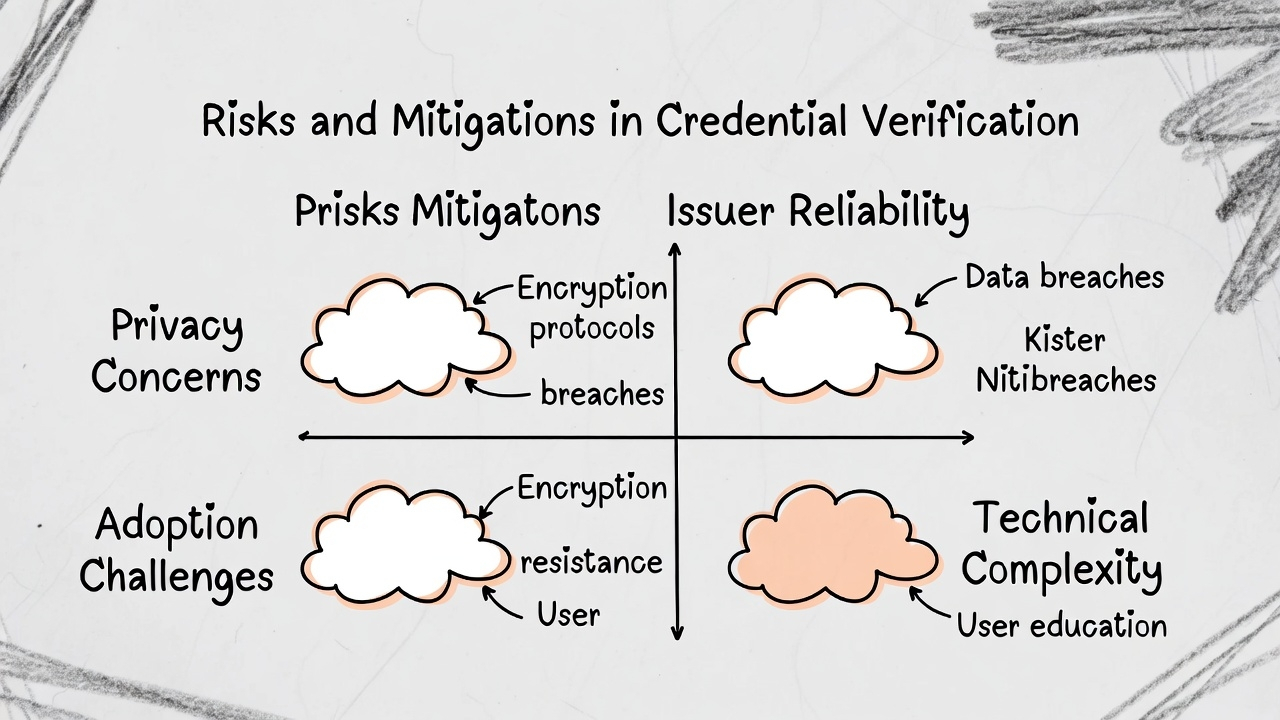
Then there is the technical complexity. For users managing wallets is already hard. Adding credentials could make it feel even harder unless it is designed to be simple and easy to use.
Despite these concerns this direction feels important. As Web3 becomes more practical the need for identities and reputations becomes harder to ignore. Making things go faster helps systems grow. Being credible helps them work in a meaningful way.
In that sense projects like Sign Global are not replacing the need for networks. They are addressing something that's beneath it. A quieter part, but one that shapes how people interact work together. Trust each other in a decentralized world.
The conversation around Web3 is slowly changing. It is no longer about how much can be done, but also about how much can be trusted. Web3 is, about trust and verifying credentials is a part of that. Verifying credentials is what makes Web3 work in a way.
