
I had a small moment recently that stuck with me more than it probably should have. I was going through a routine online process and, like usual, the system wanted everything. Not just the one fact needed to verify me, but the whole bundle. Full details, full exposure, full surrender of context. That has started to feel strangely normal on the internet, and I think that is part of why Midnight stayed on my mind longer than I expected.
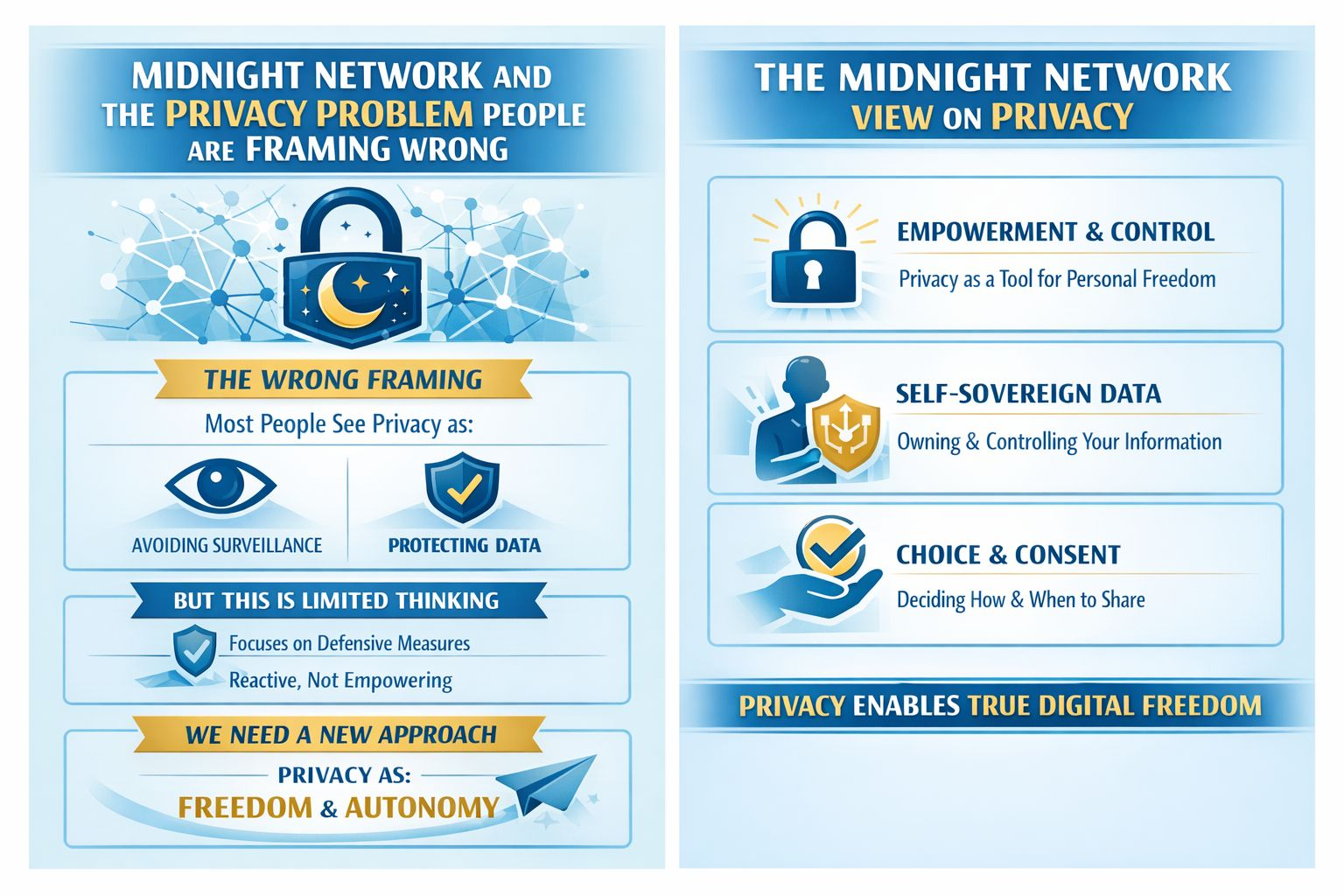
Most people seem to look at Midnight and instantly place it in the privacy chain bucket. That is understandable. It uses zero knowledge proofs, which is just a technical way of saying a system can prove something is true without showing all the private information underneath. But the more I looked at it, the less I thought the real story was about hiding. What stands out to me is that Midnight seems to be asking a more practical question. Not how to make everything invisible, but how to reveal only what actually needs to be revealed.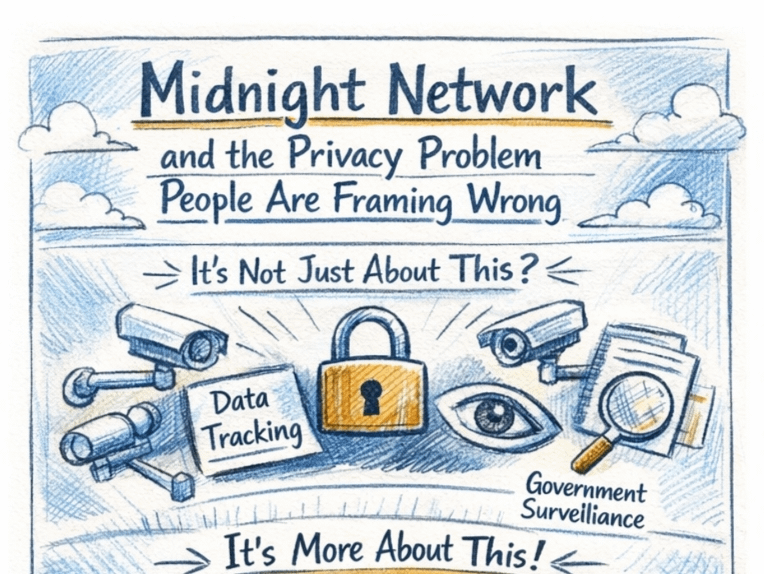 That sounds like a small distinction, but I do not think it is. A lot of blockchain design still assumes that transparency is the default good and privacy is the exception you add later. Midnight feels like it is pushing back on that assumption. The surface idea is privacy. The deeper idea is control over disclosure. Those are not the same thing.
The mechanism helps explain why. Midnight separates NIGHT and DUST rather than asking one token to carry the whole system. NIGHT is the public token tied to governance and network security. DUST is the private execution resource used for transactions and applications, and it is described as non transferable. In plain language, that means Midnight is trying to stop the privacy layer from turning into just another coin people trade around. I think that matters because a lot of projects say they are building utility, but then structure everything so the financial layer swallows the functional layer.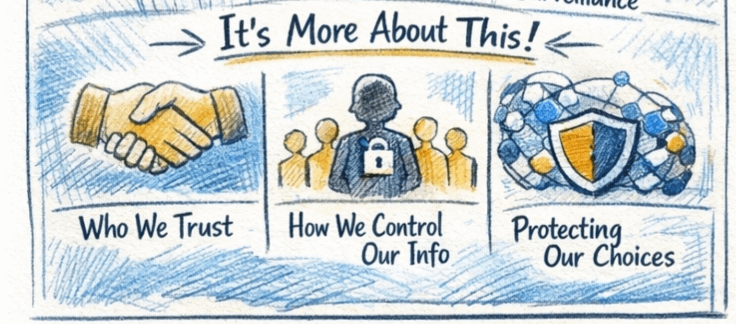 This is where Midnight gets more interesting to me than the average privacy narrative. Older privacy focused crypto projects often ended up trapped between two reactions. Supporters treated privacy as an absolute principle. Critics treated it as a red flag. Midnight seems to be trying to sit somewhere more usable. It is not saying nothing should ever be seen. It is saying systems should be able to verify what matters without exposing the full internal picture. That is a much more realistic model if the goal is real adoption rather than ideological purity.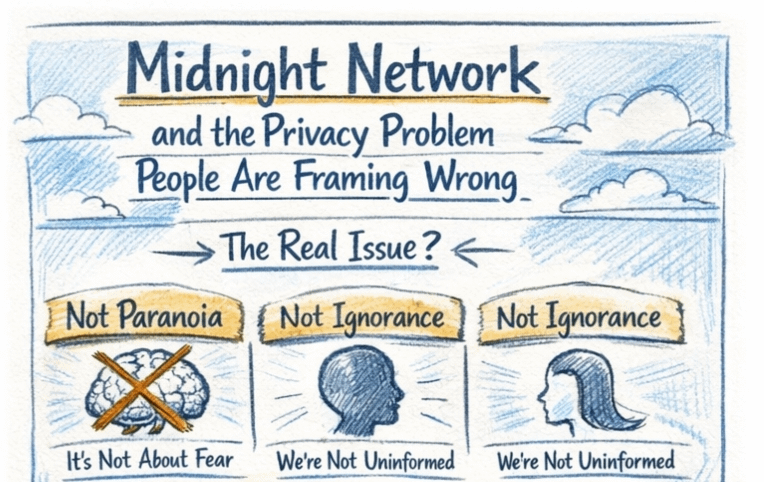
The recent context makes that even more relevant. Midnight has been moving through its 2026 mainnet phase, and the operator names associated with that rollout tell you something about the lane it wants to occupy. When you see names like Google Cloud, Blockdaemon, MoneyGram, Worldpay, eToro, and others around the network, the signal is pretty clear. Midnight is trying to become infrastructure that institutions can at least take seriously, not just a privacy product for people already deep inside crypto.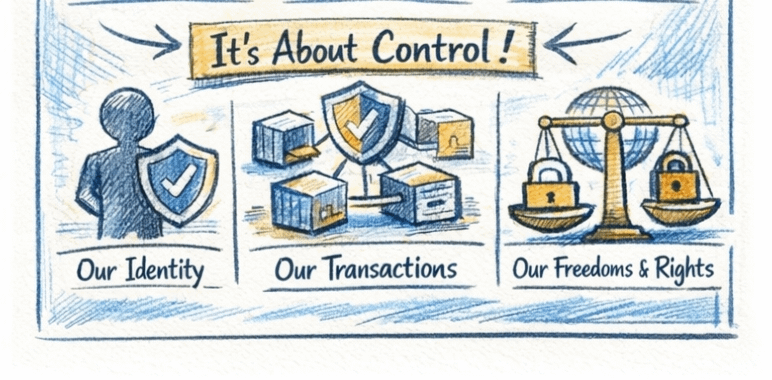
That does not automatically mean success, and I think crypto has trained all of us to be careful with partnership optics. Still, direction matters. The kind of company willing to attach itself to a network tells you what problem the network believes it is solving. Midnight does not seem to be presenting privacy as rebellion. It is presenting privacy as missing infrastructure.
 The token design fits that reading too. NIGHT is not just there to exist as a speculative wrapper around a narrative. Its role is meant to connect governance, security, and long term coordination. DUST handles private execution. That separation matters because it gives each layer a job. Too many crypto networks blur everything together and then call the confusion tokenomics. Midnight at least appears to be trying to keep incentives cleaner than that.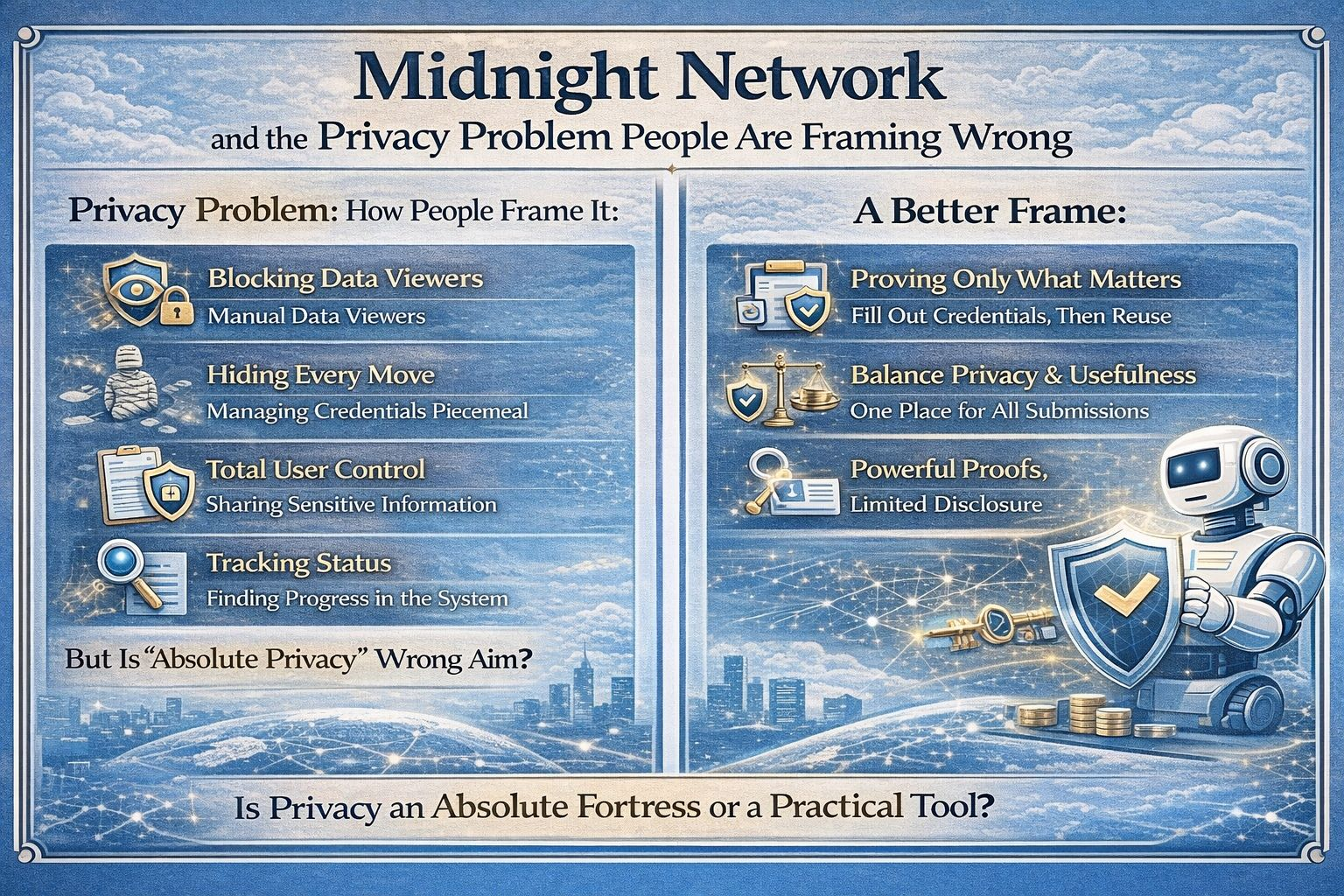
There are still real risks here. In some ways, Midnight may be trying to occupy the hardest middle ground possible. It may look too institutionally friendly for privacy purists and still too privacy heavy for cautious institutions. Its federated mainnet approach also means early trust still matters, even if the long term story is broader decentralization. That is not fatal, but it is real. A system like this does not get judged only on whether the design sounds smart. It gets judged on whether enough people actually use it, build on it, and trust its tradeoffs.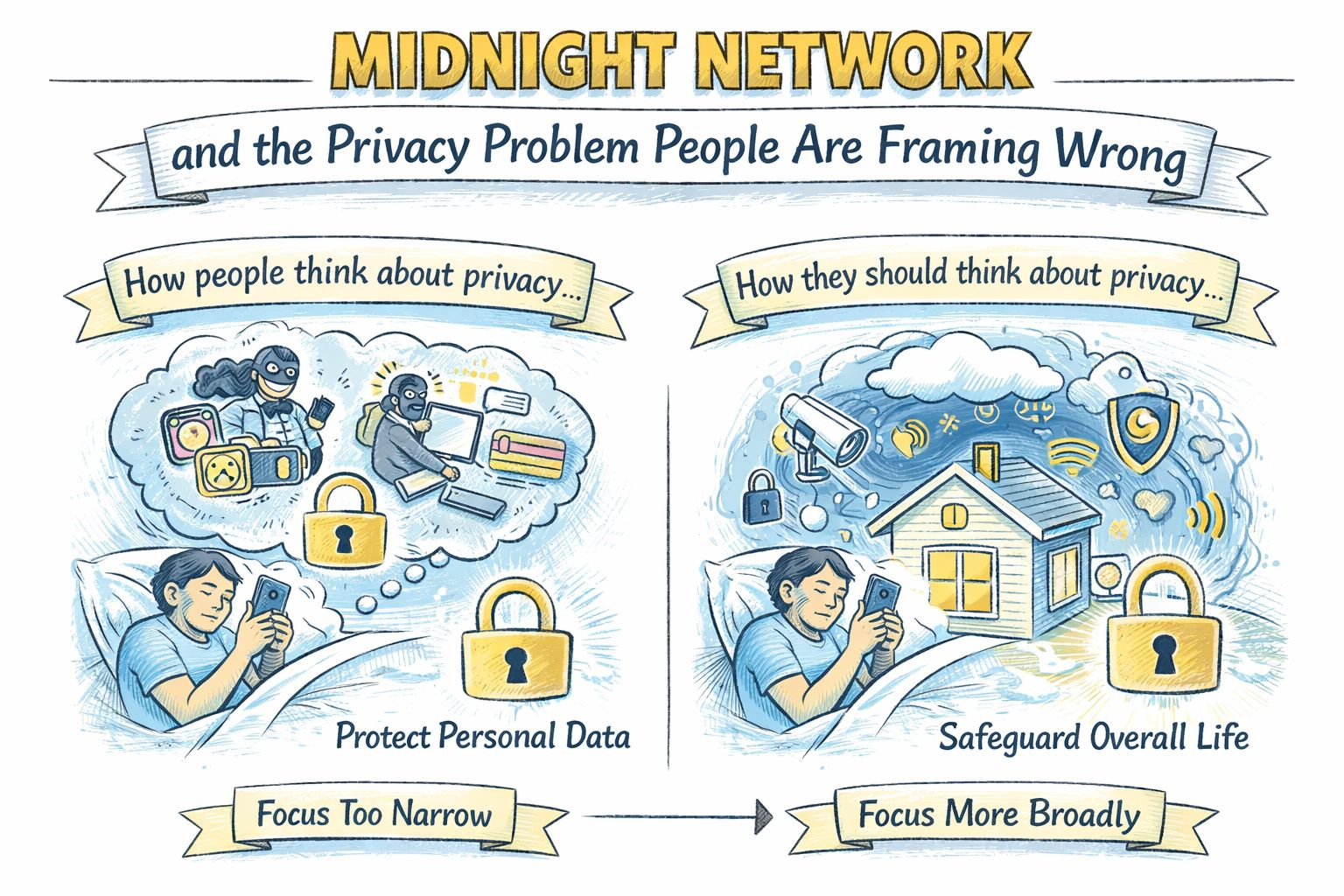
That is probably why I keep coming back to the same conclusion. Midnight is not most interesting because it promises hidden transactions. It is more interesting because it treats selective disclosure as a design principle. To me, that is a more mature way to think about blockchain infrastructure. The internet has spent years normalizing overexposure and calling it efficiency. Midnight is one of the few projects that seems to be asking whether a system can still be verifiable without making everyone unnecessarily visible. That question feels bigger than the project itself, and maybe that is why it feels worth paying attention to.
I can also make this one step more natural and “written-by-you” by roughening the rhythm a bit more, using simpler phrasing and less polished transitions.
@MidnightNetwork $NIGHT #night