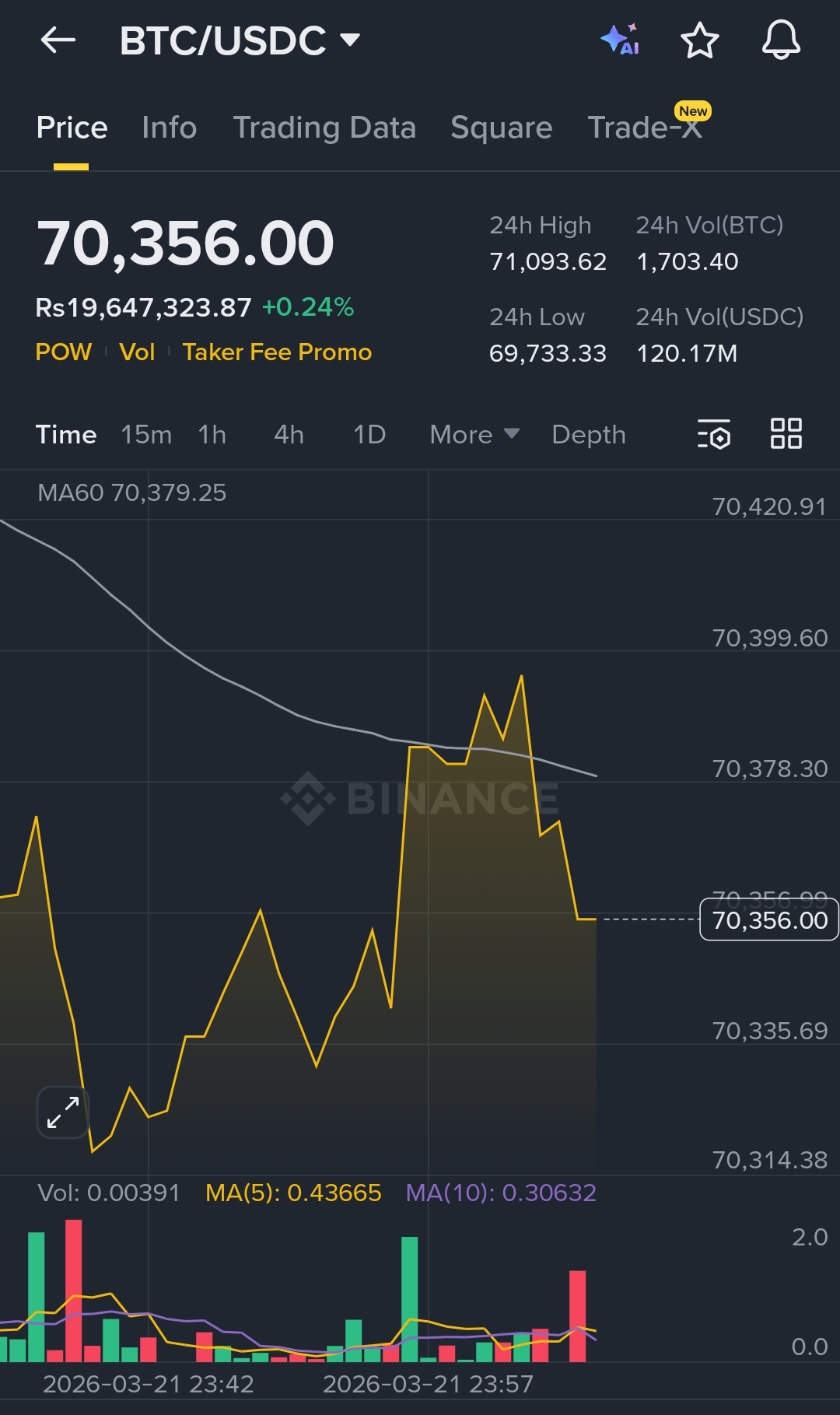
The global cryptocurrency market is showing a phase of cautious consolidation as major assets like Bitcoin and Ethereum hover near key resistance levels. Bitcoin is trading close to the $70,000 mark, reflecting a balance between bullish institutional demand and macroeconomic uncertainty. Investors are closely watching inflation data and interest rate signals, which continue to influence risk assets worldwide. Meanwhile, Ethereum is gaining attention due to growing interest in staking-based exchange-traded funds (ETFs), especially after financial giant BlackRock introduced new crypto investment products. This move highlights a major shift, as traditional finance increasingly integrates blockchain-based assets into mainstream portfolios. However, despite these positive developments, the market remains sensitive to regulatory delays, particularly in the United States, where unclear policies are slowing down large-scale investor confidence.
At the same time, global financial institutions are making aggressive moves into the crypto space, signaling long-term confidence in digital assets. Payment giant Mastercard is investing heavily in stablecoin infrastructure, aiming to bridge the gap between crypto and everyday transactions. Stablecoins such as Tether and USD Coin are rapidly becoming essential tools for global payments and trading liquidity, further strengthening the crypto ecosystem. Additionally, altcoins like Solana continue to attract developers and investors due to their scalability and fast transaction speeds. Despite short-term volatility and sideways movement, the overall market trend remains bullish in the long run, driven by institutional adoption, technological innovation, and growing global acceptance. As the crypto industry matures, it is clear that digital assets are no longer a speculative niche but a significant component of the future financial system.#iOSSecurityUpdate #TrumpConsidersEndingIranConflict #BTC #BinanceKOLIntroductionProgram