
I have been talking about self-identity and decentralized identifiers in the Web3 space for a while now. The idea of self-identity is really simple: you should be in control of your data. You should be able to prove who you are without giving away information about yourself. You should also be able to move between platforms.
"Sign Protocol: Moving Beyond Identity to Infrastructure."
For people who invest in the Web3 space the reality has often been frustrating. There is a gap between whats technically possible with self-identity and decentralized identifiers and what's actually useful in our daily lives. We have gotten very good at creating identities in the Web3 space. We have not been able to use identities in a way that is really useful in our daily lives.
The SIGN Token is becoming very important for self-identity and identifiers. The SIGN Token is a way to make decentralized identities actually work in the world. The problem with identity projects in the past is that they have not been able to deliver on their promises for self-identity and identifiers. They have been good at creating credentials. They have not been able to do more than that.
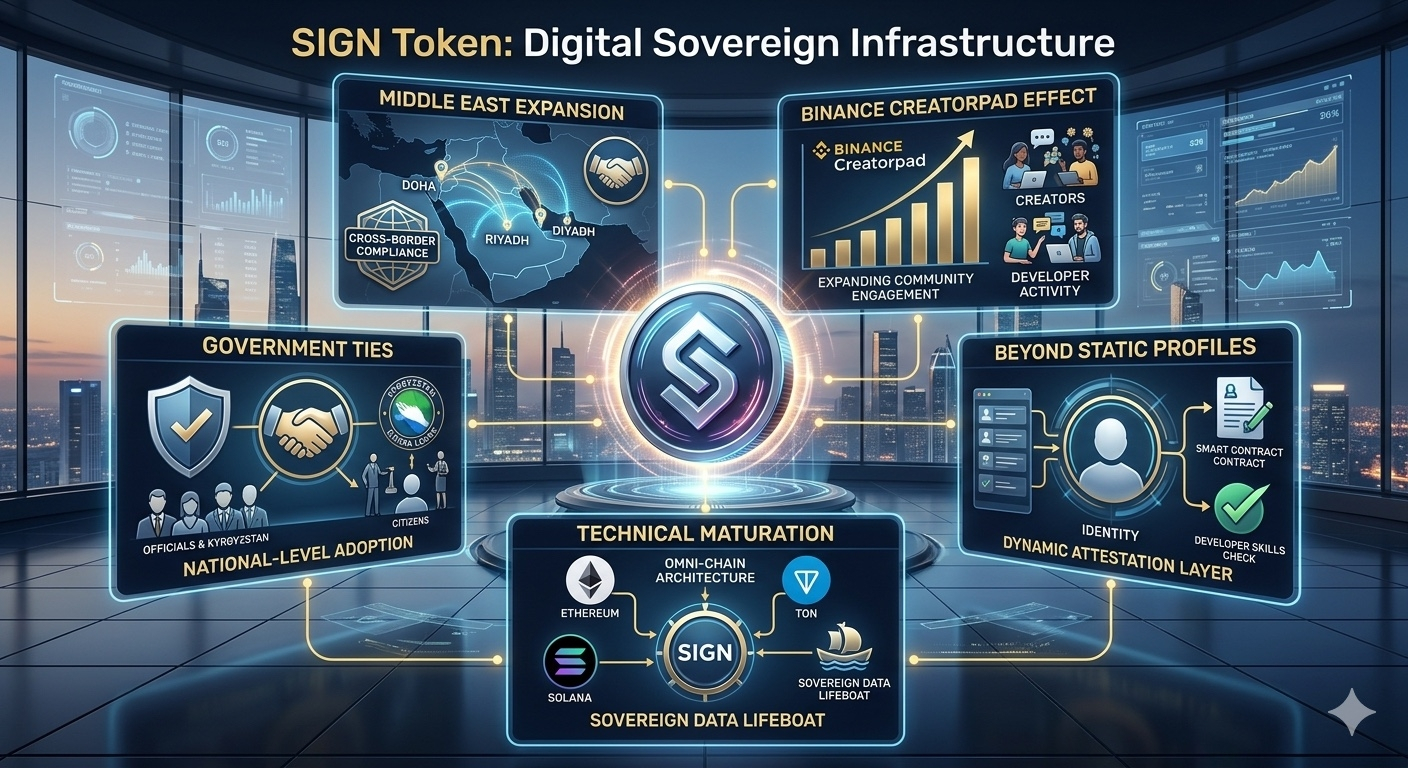
"The value of a digital identity isn't found in its creation, but in its consumption. A system that verifies is a tool; a system that transacts is an economy."
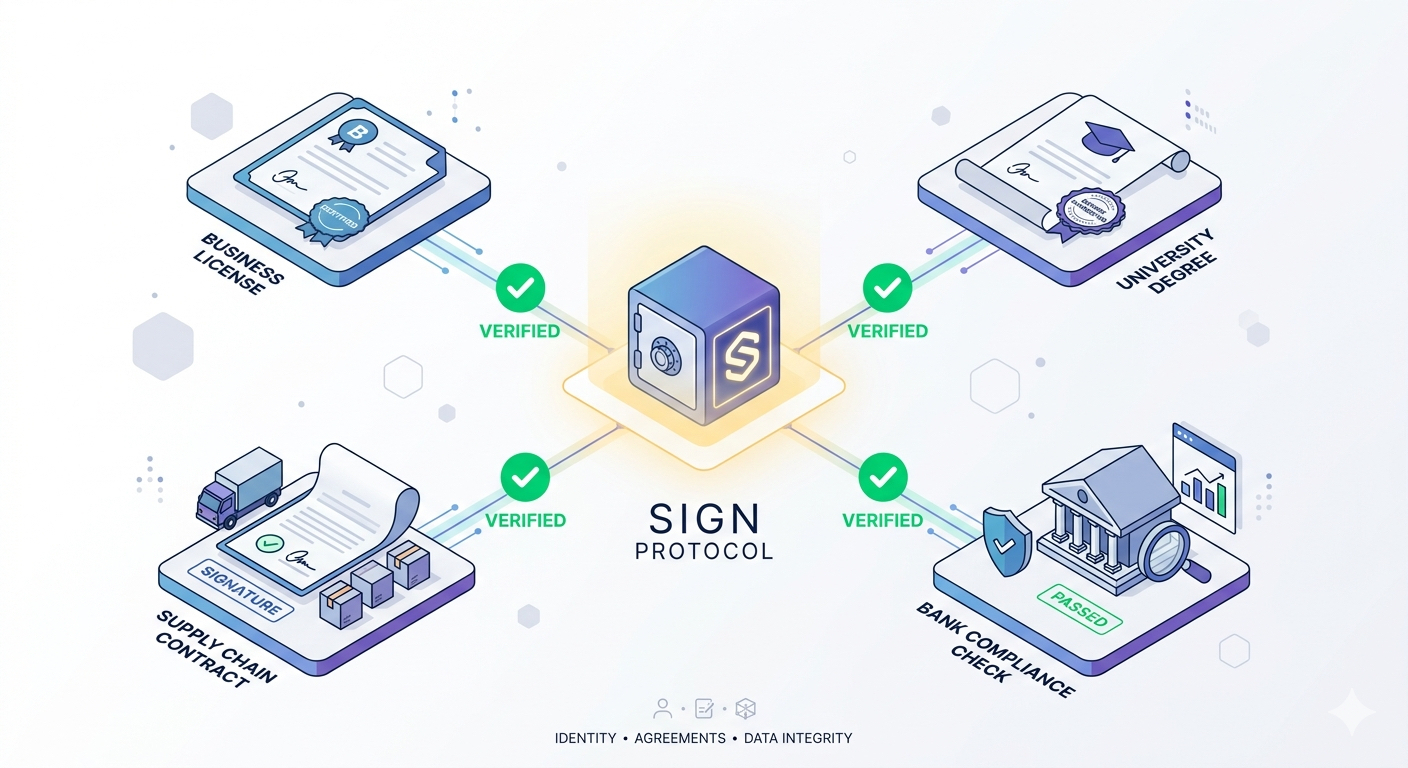
For example a person might have a diploma that is signed with cryptography. It is not very useful if it cannot be easily verified by an employer. The SIGN Token is different because it allows for whats called Dynamic Attestations for self-identity and identifiers. This means that it is not an identity but a way to create and verify all sorts of information about self-identity and identifiers.
The market is starting to realize that the SIGN Token is not another identity system for self-identity and identifiers. The SIGN Token is a way to create a decentralized notary and application layer for self-identity and identifiers. This means that it can be used to issue all sorts of statements from qualifications to agreements about self-identity and identifiers. These statements can be used by machines, which makes them very powerful. They can trigger contracts. Enable world activity related to self-identity and decentralized identifiers.
There are some signals in the market that suggest the SIGN Token is going to be very valuable for self-identity and identifiers. For example the way that liquidity is being coordinated around infrastructure projects is changing. Holder distribution is also expanding, which means that more people are holding the SIGN Token for the term. Trading volume and volatility are also becoming more stable which is a sign for the SIGN Token and self-identity and identifiers.
One thing to look at is retention and recurring usage of the SIGN Token for self-identity and identifiers. This means that people are consistently using the SIGN Token and finding it useful for self-identity and identifiers. If the SIGN Token is not being used in a way thats consistent and recurring then it is not very valuable for self-identity and identifiers. The real test is integration. Can the SIGN Token be used in a way thats seamless and easy for self-identity and identifiers?
The Middle East is a region where the SIGN Token and self-identity and decentralized identifiers can make an impact. The region is undergoing a lot of transformation. There is a need for a trust layer infrastructure for self-identity and identifiers. The SIGN Token can provide this for self-identity and identifiers. Governments and financial institutions in the region are looking for ways to combat fraud. Streamline complex logistical networks for self-identity and identifiers. The SIGN Token can help with this for self-identity and identifiers.
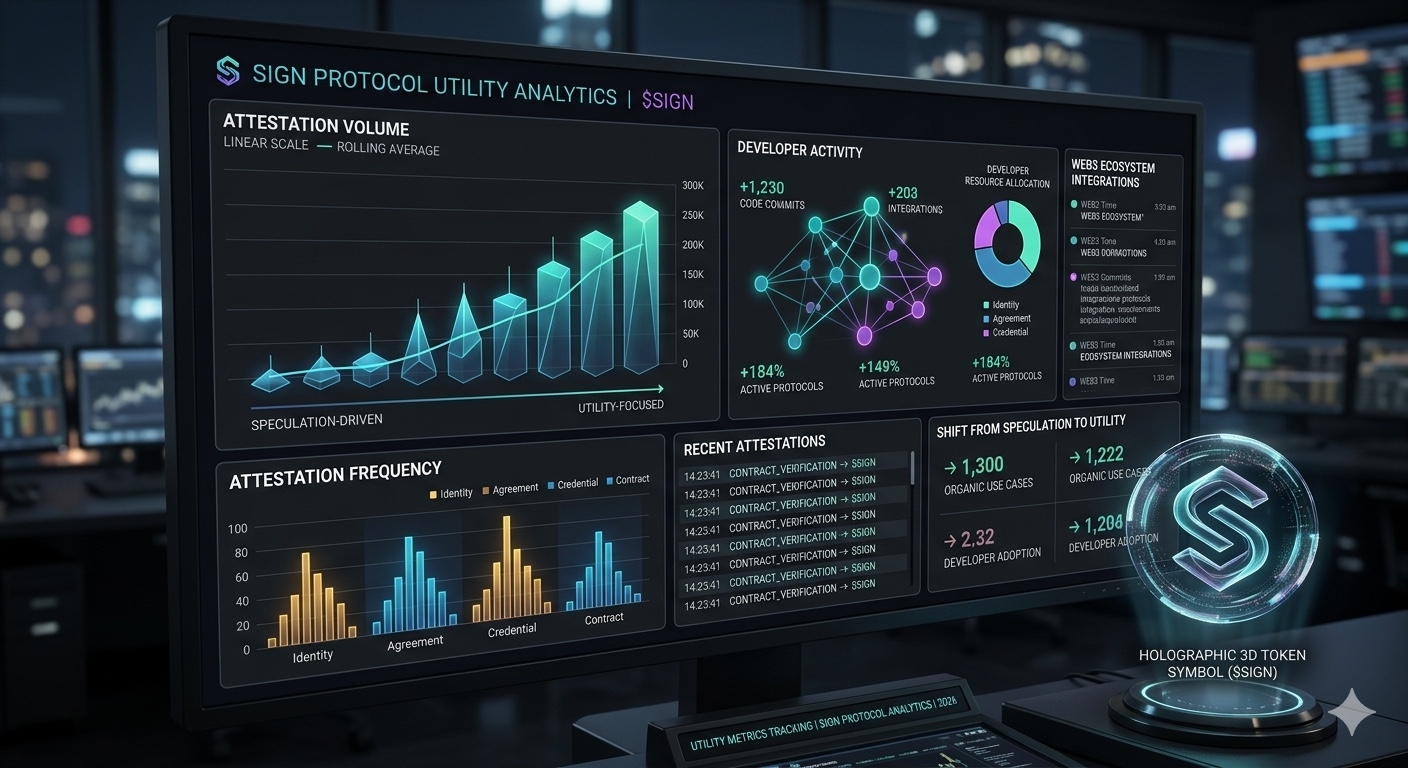
The investment narrative for the SIGN Token is shifting. People are not just looking at the price charts for the SIGN Token. They are looking at growth in attestation consumption tier-1 partnerships and sustainable incentives for the SIGN Token and self-identity and decentralized identifiers. The SIGN Token is gaining traction because it is moving beyond just being an idea for self-identity and identifiers. It is actually being used in a way thats useful and valuable for self-identity and identifiers.
To be confident in the SIGN Token you should look at some things about self-identity and decentralized identifiers. Are applications actually using the attestation consumption in automated processes for self-identity and identifiers? Are entities or regulatory bodies integrating the protocol into their core operations for self-identity and identifiers? Is engagement driven by a need to validate data or just by short-term token rewards for the SIGN Token and self-identity and decentralized identifiers? If the SIGN Token can consistently answer the question of what happens after identity for self-identity and decentralized identifiers it may well become the infrastructure layer where digital identity finally keeps moving when no one is paying attention to the SIGN Token and self-identity and identifiers.

"In a digital economy, trust is the only currency that doesn't inflate. Sign Protocol is the bridge that turns on-chain verification into real-world validation."
Some key points to consider about the SIGN Token and self-identity and decentralized identifiers are:
* The SIGN Token is a way to make decentralized identities actually work in the world for self-identity and identifiers.
* The market is starting to realize that the SIGN Token is not another identity system for self-identity and identifiers.
* There are some signals in the market that suggest the SIGN Token is going to be very valuable for self-identity and identifiers.
* The Middle East is a region where the SIGN Token and self-identity and decentralized identifiers can make an impact.
* The investment narrative for the SIGN Token is shifting for self-identity and identifiers.
* To be confident in the SIGN Token you should look at some things about self-identity and identifiers.

The SIGN Token is a development in the Web3 space for self-identity and identifiers. The SIGN Token has the potential to make decentralized identities actually useful in the world for self-identity and identifiers. The SIGN Token is not a token it is a way to create a decentralized notary and application layer for self-identity and identifiers. This means that it can be used to issue all sorts of statements from qualifications to agreements about self-identity and identifiers. The SIGN Token is gaining traction because it is moving beyond just being an idea, for self-identity and identifiers. The SIGN Token is actually being used in a way thats useful and valuable for self-identity and identifiers. The SIGN Token is something that people should be paying attention to for self-identity and identifiers.