
What keeps standing out to me about @MidnightNetwork is that it no longer feels like a project people can dismiss as just another roadmap idea. When a network gets close enough to talk seriously about mainnet, developer preparation, and actual operators, the whole conversation changes. At that stage, it stops being about whether the concept sounds impressive and starts being about whether the model can actually work once people begin using it.
That is why Midnight feels more interesting to me right now.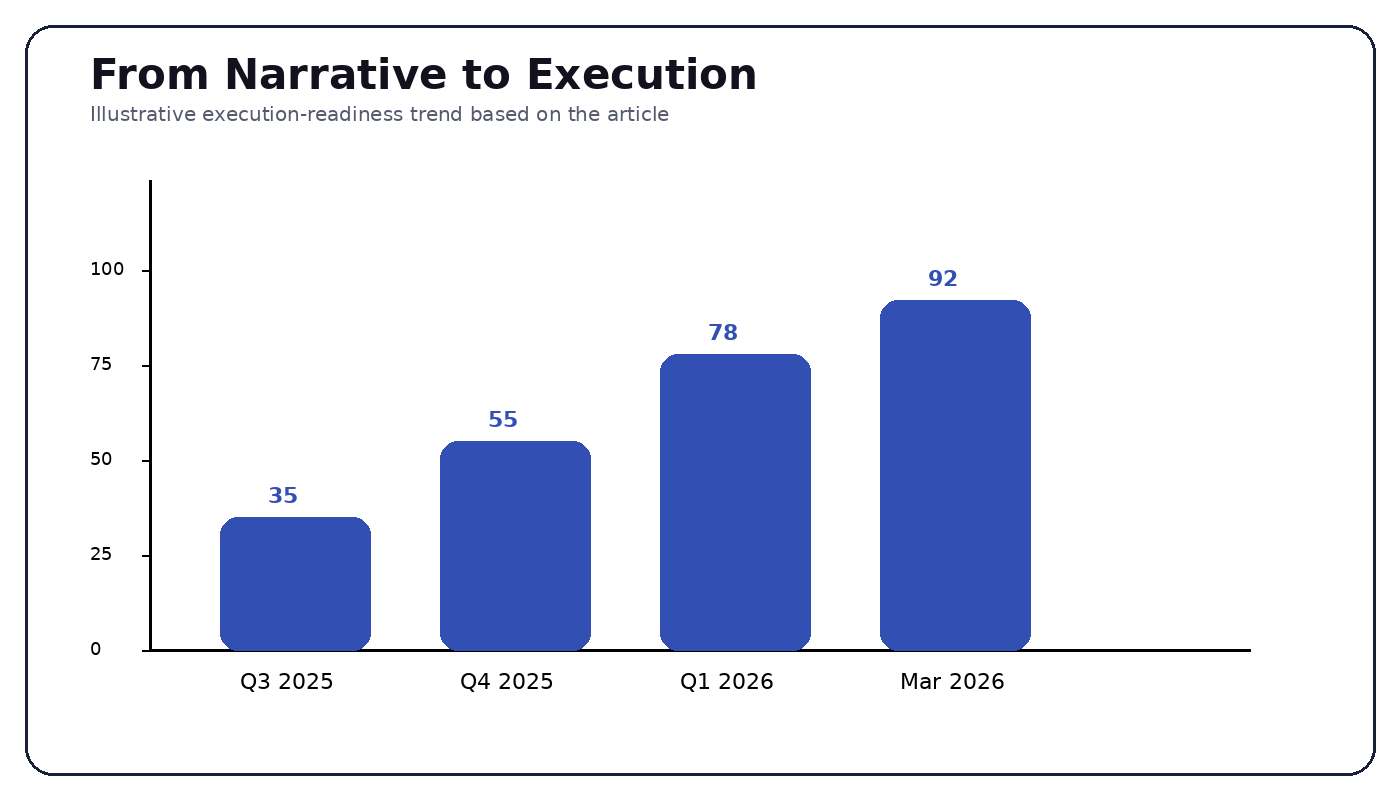
A lot of blockchain infrastructure was built around the idea that transparency is always a strength. In many ways, that is true. Public verification is one of the biggest reasons crypto mattered in the first place. The ability to check what happened without relying on a middleman changed how people thought about trust online. But the more this technology moves toward real adoption, the more obvious the tradeoff becomes. Complete transparency sounds great until someone wants to build something genuinely useful on top of it.
A business does not want every treasury action visible forever. A payments platform does not want sensitive transactional patterns exposed by default. Most users do not need every on-chain action permanently sitting in public view either. So the real challenge is no longer whether blockchains can be transparent. It is whether they can stay verifiable without forcing everything into full exposure.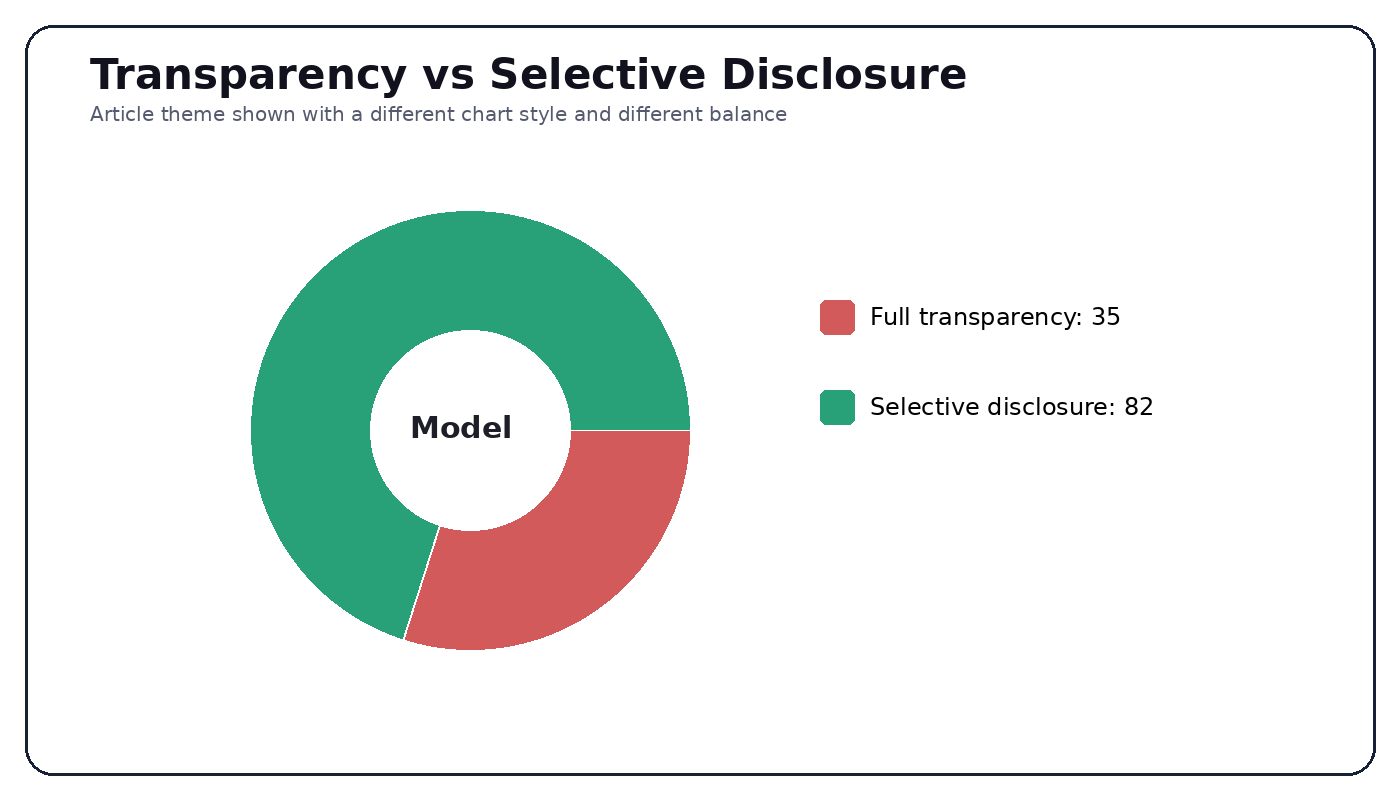
That is where Midnight starts to feel different.
The part that appeals to me most is that the project is not presenting privacy as blind secrecy. It is framing it more as selective disclosure, where important information can still be verified while unnecessary exposure is reduced. That feels much closer to how real systems work. In the real world, trust usually depends on proving the right things to the right people, not publishing everything to everyone all the time.
The timing also matters. With mainnet targeted for March 2026 and developer-focused preparation already being emphasized, this feels like the point where execution matters more than narrative. Once developers are being pushed toward testing environments, privacy-focused tooling, and transaction flow preparation, the project starts to move out of theory and into something the market can judge more directly.
I also think the token structure is one of the more interesting parts of the story. Midnight separates public network value and governance from operational transaction activity through a two-asset design. That stands out because it suggests the team is thinking about usability, not just symbolism. A lot of crypto projects fall into the pattern of forcing one token to do everything. This model at least shows an attempt to design around practical network behavior instead of repeating the standard template.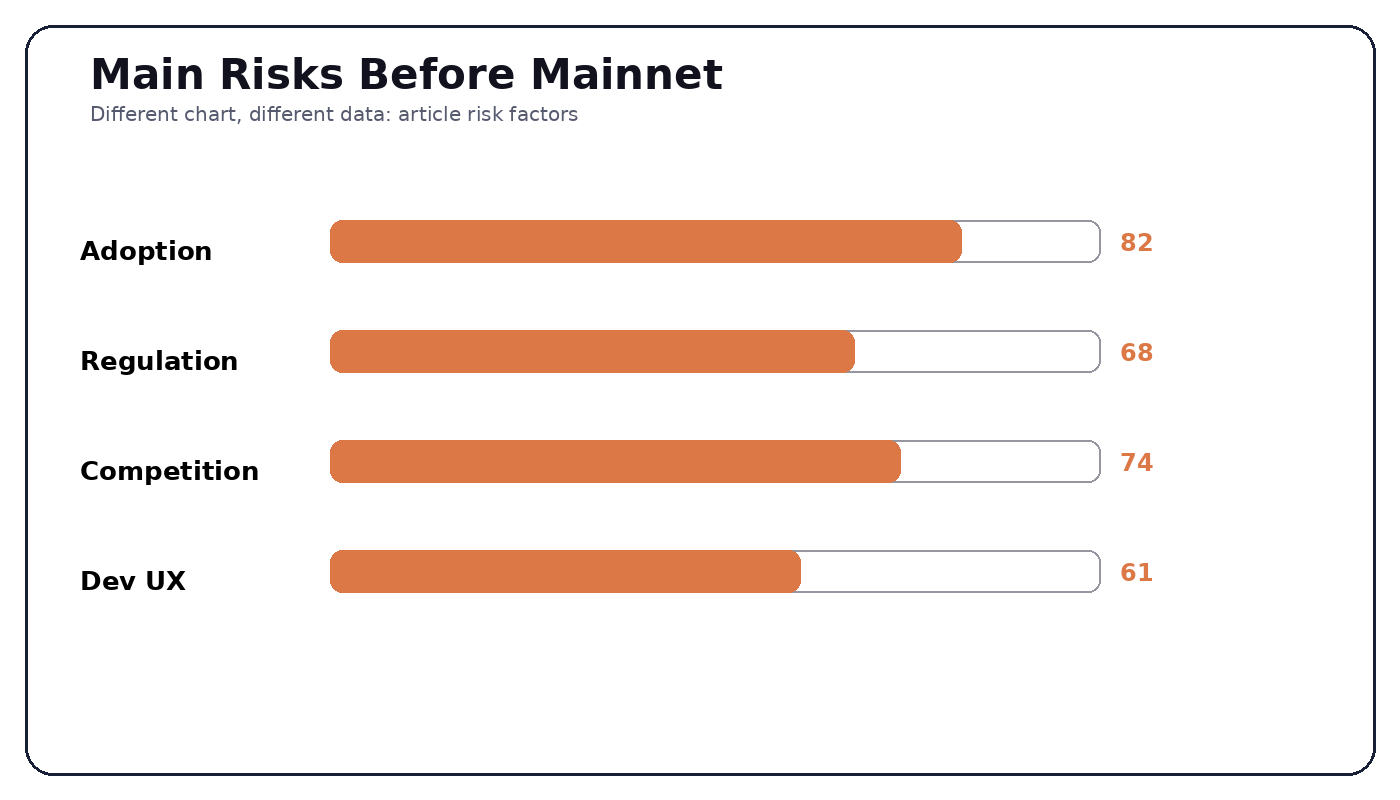
Another reason this feels more serious now is the effort to build credibility ahead of launch. The growing node-operator picture gives the impression that Midnight wants to establish real infrastructure support before mainnet arrives rather than trying to create that confidence afterward. In crypto, headline names are never enough on their own, so I do not think partnerships should be treated as proof of success. Still, they matter when they suggest a project is preparing for operational reality instead of relying only on marketing.
The same goes for product demonstrations. Simulations can always be polished, so they should not be mistaken for adoption. But they can still reveal how a team thinks about its product. What I find notable here is the attempt to connect privacy with scalability, selective disclosure, and application relevance rather than treating privacy as a standalone slogan. That is important because privacy by itself is not enough to create long-term value. It has to fit into systems that developers can actually build on and users can actually benefit from.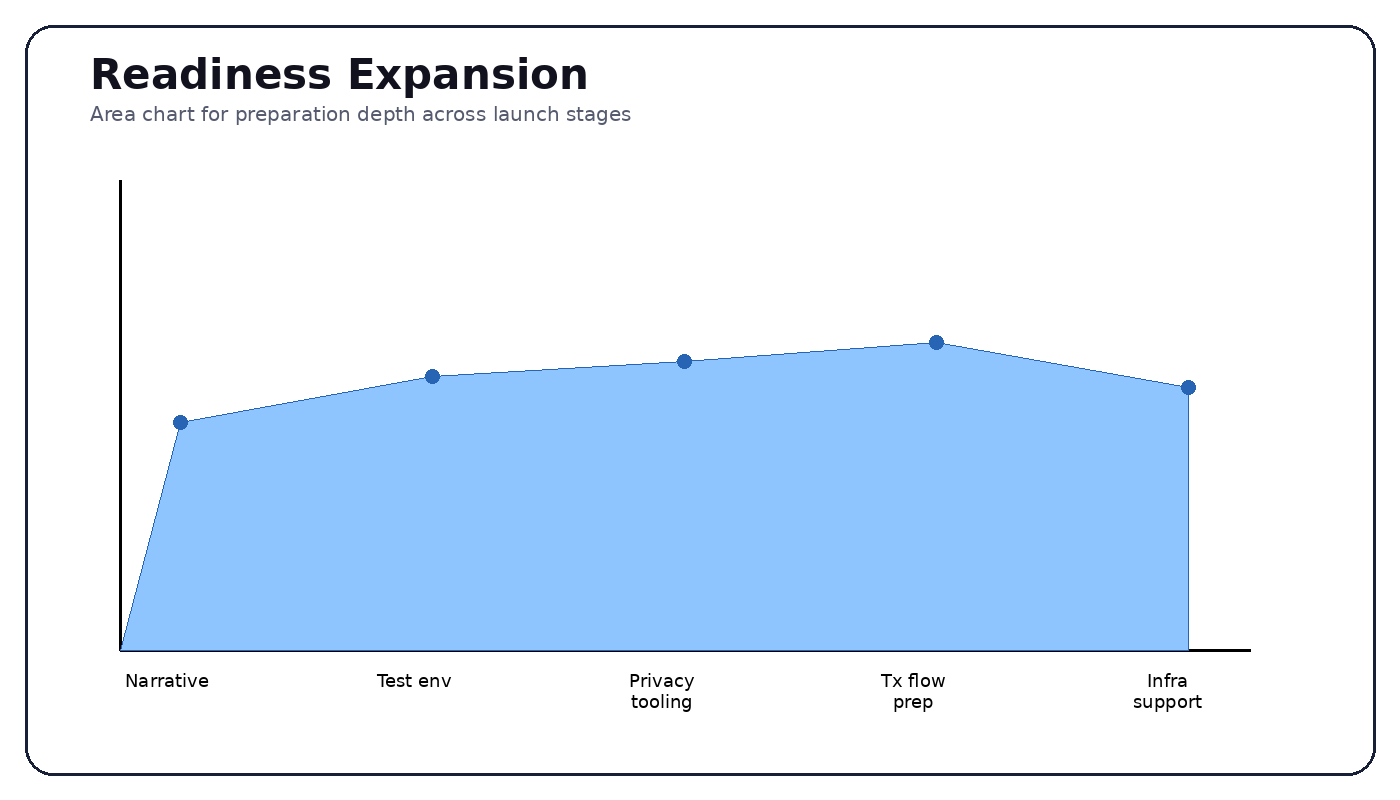
That is probably the bigger question around $NIGHT as well. The token can attract attention as launch gets closer, but long-term value will depend on whether the network becomes useful enough to feel necessary. Developers need a reason to build there. Users need applications that solve a real problem. If that does not happen, even a strong narrative and an interesting design will only carry the project so far.
There are still real risks. Adoption is the biggest one. Privacy infrastructure can sound compelling in theory, but developers still need tools that are approachable, efficient, and worth choosing over competing ecosystems. Regulation is another challenge, because anything connected to privacy tends to attract more scrutiny than ordinary blockchain infrastructure. Competition also matters because this space is not empty. Many teams are working on zero-knowledge systems, privacy tooling, and enterprise-friendly blockchain design, so being early is not enough. The product has to be good enough that builders genuinely prefer it.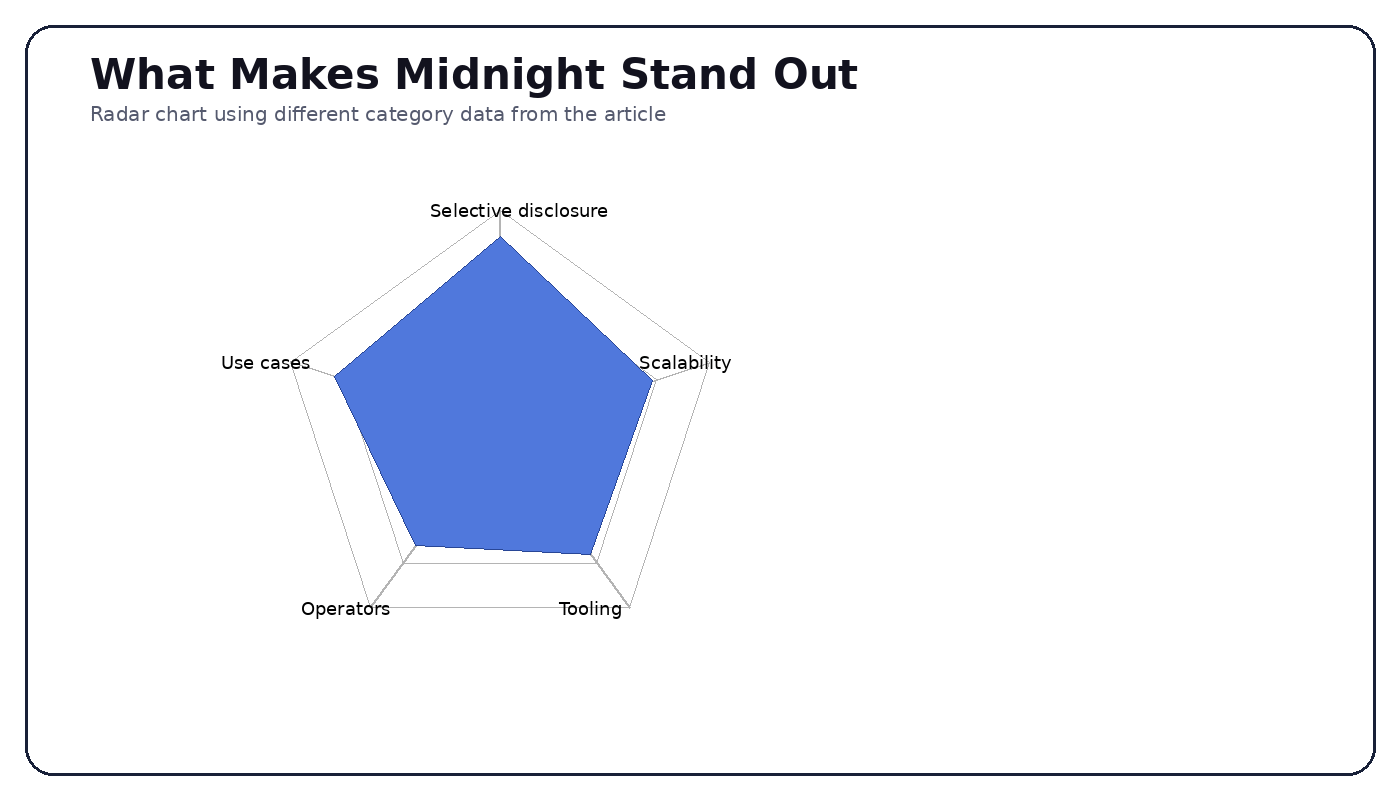
Even with those risks, Midnight feels more relevant now because it is getting closer to the stage where the market can stop debating the theory and start judging the result. That is always the most revealing moment for any crypto project. Ideas are easy to admire from a distance. Execution is where the real test begins.
To me, that is what makes this network worth watching right now. It is trying to answer a much bigger question than whether privacy sounds attractive in crypto. It is trying to prove that blockchain systems can remain trustworthy without making every piece of activity permanently public. If that works, then #night could end up connected to something much more meaningful than a short-term narrative.