


Been watching $NIGHT for the last few days, and tbh the part that keeps pulling me back isn’t just the chart. It’s the use case. Midnight isn’t selling “hide everything” privacy; it’s pushing programmable privacy, where users can prove something is valid without exposing all the underlying data.
What I noticed first was the attention spike around the token after Binance expanded support for NIGHT on March 11, 2026, which gave it instant visibility across one of the biggest exchange ecosystems in crypto.
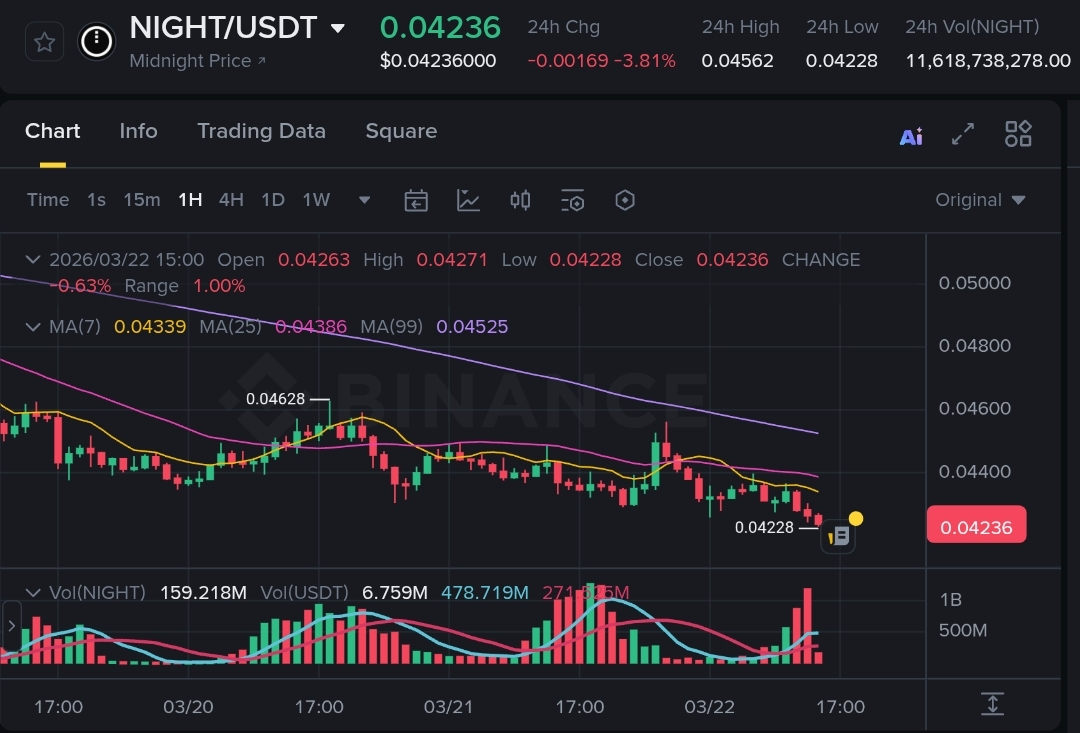
Around the latest Binance price data, NIGHT was trading near $0.044066 with a market cap of about $731.83 million and 24-hour volume around $583.51 million, so this clearly isn’t some illiquid side narrative anymore.
Worth noting, the network also came into launch season with a big distribution footprint: Midnight says more than 3.5 billion NIGHT were claimed by 170,000+ eligible wallet addresses in Glacier Drop phase 1.
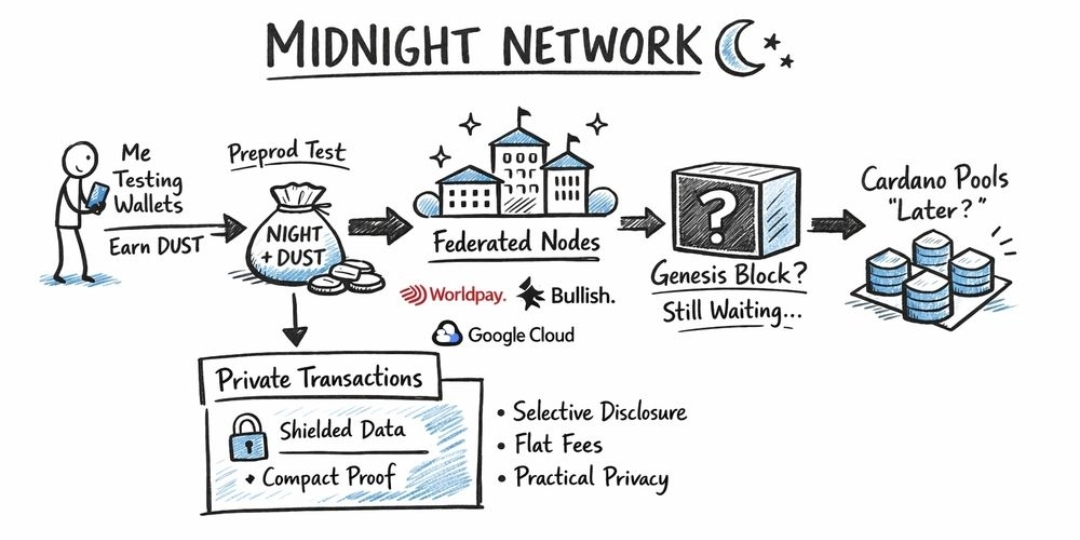
The more interesting part, though, is how Midnight is structured. $NIGHT is the public, unshielded native token, while holding it generates DUST, a shielded and non-transferable resource used to pay transaction fees and execute smart contracts.
That split matters because it separates governance and capital from daily network usage, which is a very different setup from older privacy-chain models that focused mostly on anonymous value transfer. No KYC panic bait. Just a cleaner design.
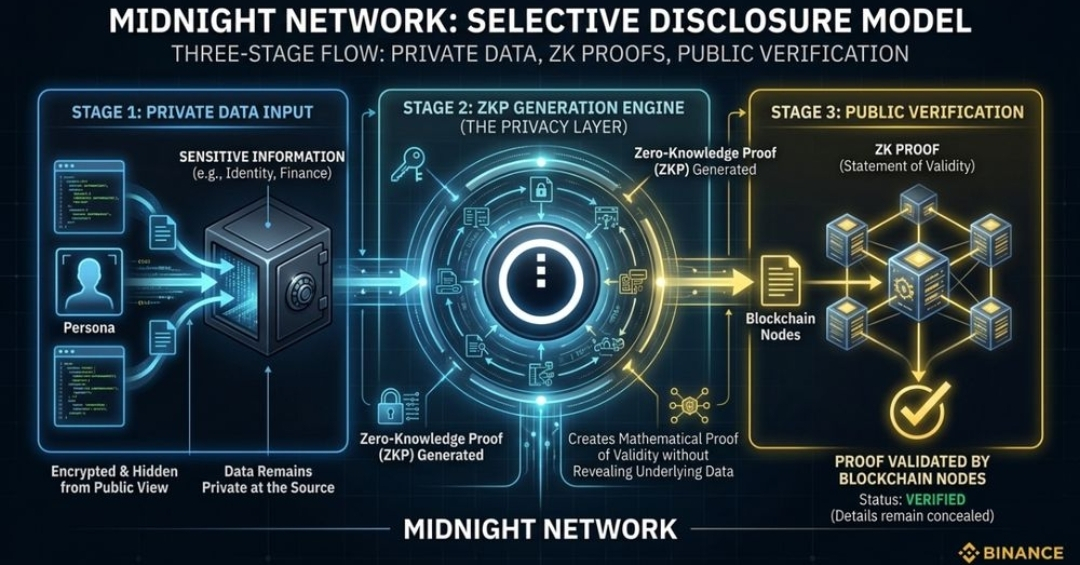
Here’s the simple real-life scenario I keep thinking about. Imagine a lender, exchange, or payroll app that needs to verify you meet a rule, like being over 18, living in an approved jurisdiction, or passing a compliance check, but doesn’t need your full identity file sitting on a public chain forever. Midnight’s selective disclosure model is built for exactly that kind of interaction, using zero-knowledge proofs so an app can confirm the condition without exposing all the personal data behind it.
Not gonna lie, that feels way more usable than the usual privacy coin pitch.
My analysis is pretty straightforward. If Midnight actually gets developers building apps that use self-funding fee flows, selective disclosure, and predictable operating costs, then the NIGHT + DUST model could make sense beyond pure speculation because developers can hold NIGHT and generate DUST to cover user actions. That lowers friction for onboarding, and friction is usually where normal users disappear.
Heads up though, there’s still execution risk here, and the token distribution is subject to a 450-day thawing period, so supply dynamics will matter as the network matures.
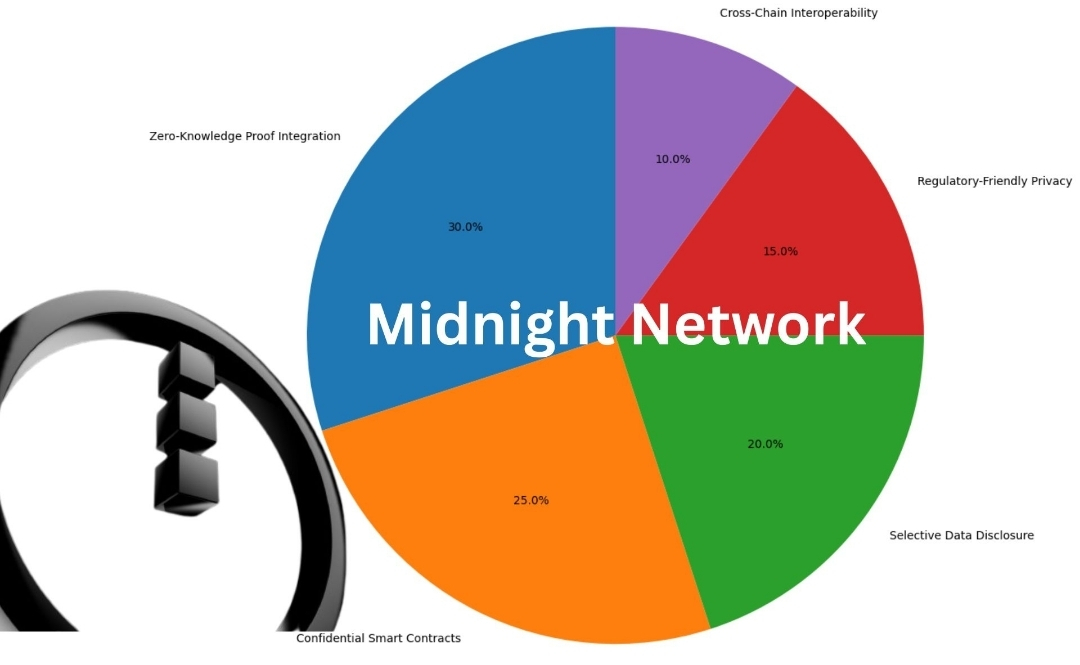
Personally, I’m not blindly bullish, but I am watching closely. I think $NIGHT has one of the more practical privacy narratives in Web3 right now because it tries to balance confidentiality with auditability instead of pretending regulation doesn’t exist.
My read on this: strong idea, solid early attention, but now the market needs proof that real apps and real users will stick around after the launch buzz fades.
Anyone else looking at NIGHT as more than a listing trade, or are you still waiting for stronger adoption signals from MidnightProtocol?