
Here’s my messy take after going down the Sign rabbit hole… late night brain, you know. Supposedly this is some identity-driven blockchain angle for “real infrastructure” scaling in the Middle East. Sounds big. It always does. And I get it, digital sovereignty is a hot word, but it also feels like something marketing wraps around basic problems.
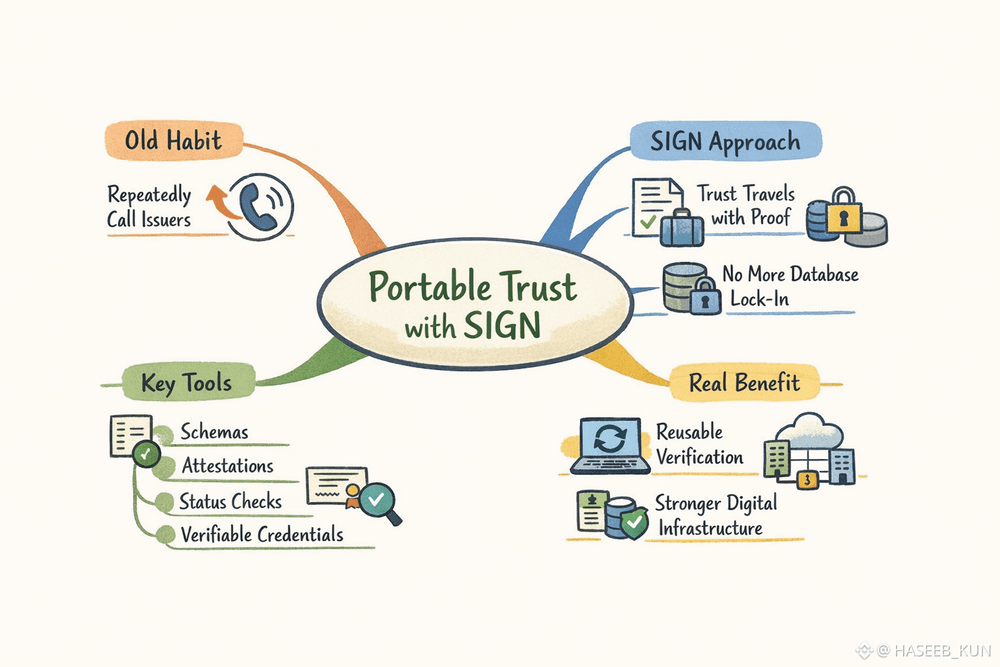
I don’t trust hype by default. Crypto projects love to talk like they’re building the future while quietly dodging the boring stuff like adoption, incentives, and boring “can it survive real usage?” questions. With Sign, I kept bouncing between “ok that’s interesting” and “wait, what’s the catch?” Because identity systems can be powerful… or they can turn into surveillance dressed up as tech. And if identity is the center, then whoever controls the identity layer has outsized power. That’s just true. No magic.
Still, I’m not pretending it’s all smoke. The idea of tying infrastructure scaling to identity makes me curious. Especially for regions where institutions and governance matter more than random global token narratives. But then again, crypto’s full of “we’ll solve X for Y region” stories that end up feeling like a demo that never turns into a product people actually rely on.
Here’s the thing… I can’t tell if Sign is aiming for real-world usefulness or if it’s just another chain trying to look special with a different label. Competition is brutal. Every identity-flavored chain, every “sovereign” narrative—there’s always another one yelling louder. I’ve seen too many projects ride strong concepts while the actual ecosystem stays small. And yeah, I know, ecosystems take time… but time doesn’t fix weak demand.
Honestly the whole thing feels like building a bridge out of paper and saying it’s “digital sovereign infrastructure” because the paperwork is shiny. But maybe I’m wrong. Maybe there’s actual engineering underneath the pitch. I just can’t fully buy it yet.
I kept thinking about crypto in general while reading… how often the tech is solid-ish and the incentives still get messed up. How marketing hype can outpace reality. How identity-related approaches might solve certain trust issues, but also create new points of failure. Like swapping one kind of risk for another… and calling it progress.
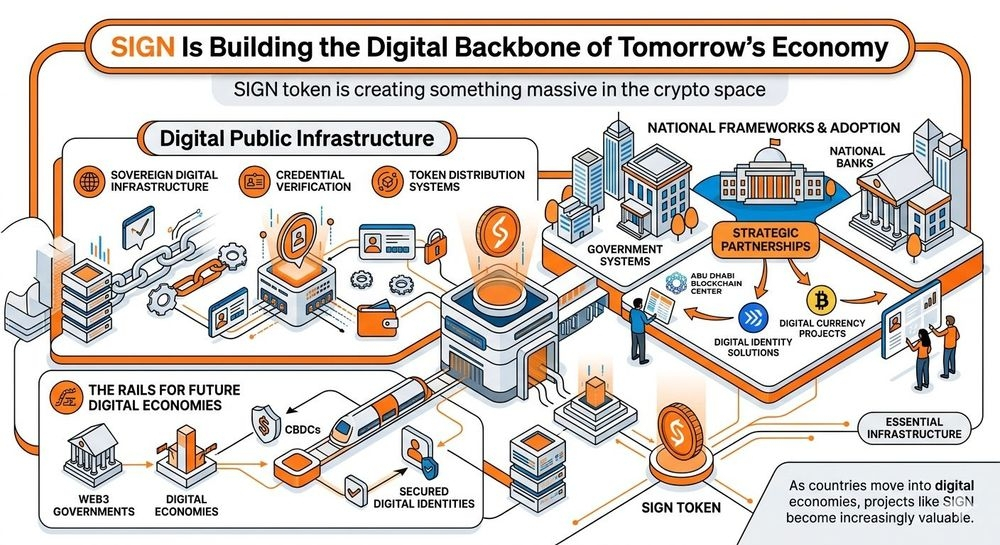
So yeah, I’m skeptical. Not dismissing everything, just… watching closely. Because if Sign really wants to scale something “real,” then it can’t hide behind buzzwords. It has to deliver something people can’t live without. And right now, I’m still in that awkward phase where I’m interested, but I don’t feel safe
betting on it.