

I’ve been looking at it for a while now, not in the way people usually do when they’re trying to decide if something will “go up,” but in a slower, more observational way. The kind where you watch how a system behaves when no one is trying to impress you. When there’s no announcement, no spike in attention—just quiet activity, or sometimes the absence of it.
What keeps pulling me back is how trust seems to form around it, almost unintentionally. No one really announces that moment. It just sort of happens. A few people start using it, then a few more. At some point, someone relies on it for something that matters to them, and that’s when it becomes different. Not bigger, necessarily, just heavier.
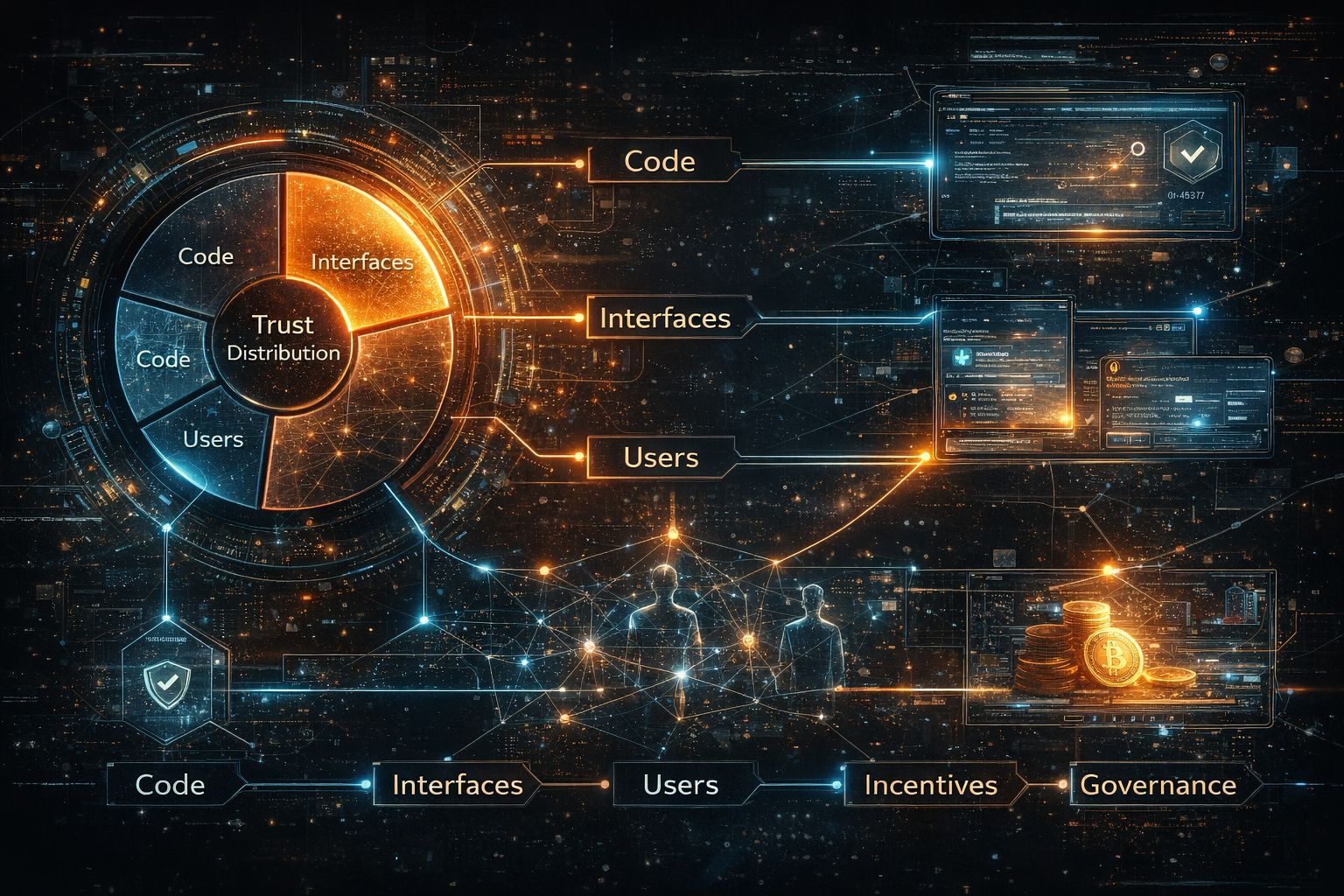
On the surface, everything looks clean. Transactions go through, signatures verify, the system does what it’s supposed to do. There’s something reassuring about that kind of consistency. You click a button, something happens, and the network agrees that it happened. It feels final. But I’ve learned to be a little cautious around things that feel too final in crypto.
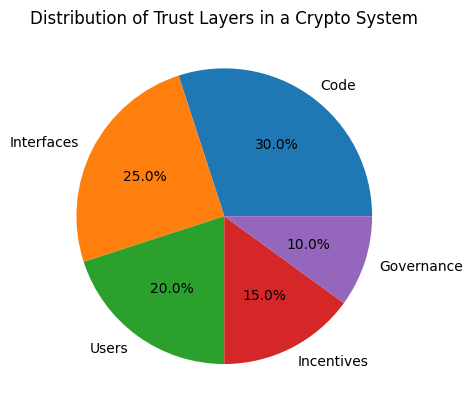
Because behind that clean surface, there’s always more going on. I keep thinking about what has to quietly hold together for those simple actions to keep working. The people maintaining the code, even if they say the system doesn’t depend on them. The assumptions about how users behave. The expectation that incentives won’t suddenly flip in a way no one predicted.
It’s never just the code, even when everyone insists that it is.
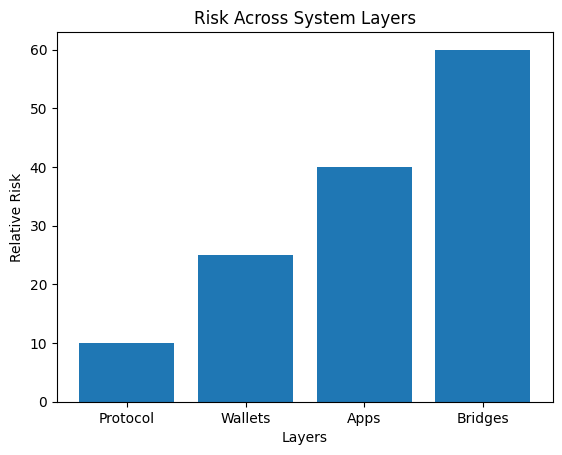
I’ve been noticing how much of the experience depends on things that aren’t really part of the protocol itself. The wallet someone uses, the interface they trust, the way information is presented to them. Most people don’t interact with the system directly—they interact with a layer that interprets it for them. And that layer becomes its own kind of trust anchor, even if no one calls it that.
It doesn’t feel like a problem at first. It feels like convenience. Necessary, even. But over time, those layers start to carry more weight than expected. If they fail, or mislead, or simply behave differently than assumed, the effects ripple downward. And suddenly the “trustless” system doesn’t feel so independent anymore.
I keep watching how incentives move through the project. Early on, everything seems aligned. People contribute because they believe in it, or because they see long-term value. But as attention grows, incentives become sharper, more immediate. There’s more to gain, and that changes how people behave, even if they don’t admit it.
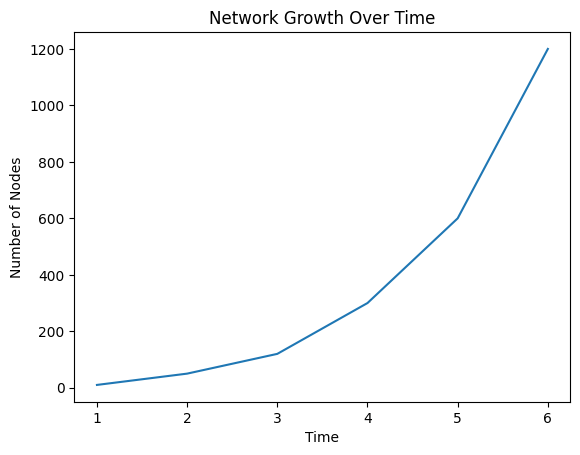
Sometimes the changes are subtle. A shift in how governance decisions are made. A new pattern in how value flows through the system. Nothing dramatic, nothing that breaks anything outright. But enough to make you pause and wonder if the structure is being gently reshaped from the inside.
And what’s strange is that the system keeps working while all this is happening. Blocks are still produced. Transactions still confirm. If you only look at the outputs, everything appears stable. But stability on the surface doesn’t always mean stability underneath. It just means the system hasn’t been pushed in the right way yet.
I’ve also been thinking about how people talk about “verifying” things here. It sounds strong, almost definitive. You can verify a transaction, verify a contract, verify a result. But most people aren’t really verifying—they’re trusting that the tools they use are doing the verification correctly. There’s a quiet delegation happening, and it’s easy to miss because it feels so normal.
Over time, that delegation becomes part of the structure itself. Not formally, not in the code, but in practice. Certain tools become default. Certain voices carry more weight. Certain assumptions stop being questioned. And that’s usually when I start paying closer attention.
Because that’s where pressure tends to build.
I’ve seen enough systems to know that they rarely break in obvious ways at first. It’s usually something small. An edge case. A behavior that wasn’t considered important until someone finds a reason to exploit it. And when that happens, the response doesn’t come from the code alone. It comes from people—discussions, disagreements, decisions about what should be done next.
That’s always the part that interests me most. Not the failure itself, but how the system reacts to it. Whether people lean on the rules as written, or start interpreting them differently. Whether trust in the structure holds, or shifts toward trust in specific individuals or groups.
Because that shift, when it happens, is hard to reverse.
I don’t think any of this makes the project weak, necessarily. If anything, it just makes it real. Systems that interact with people don’t stay static. They adapt, sometimes in ways that weren’t planned. The question is whether those adaptations strengthen the underlying structure or slowly pull it away from what it was supposed to be.
I’m not sure yet where this one lands.
So I keep watching it in its quieter moments. When there’s no narrative being pushed, no obvious reason to pay attention. Just the system existing, processing, continuing. Those moments tend to reveal more than the loud ones.
Because in the end, it’s not the clean signatures or the confirmed transactions that tell you whether something is trustworthy. It’s how the whole structure behaves when no one is trying to prove anything.