
The passing of Robert Mueller at the age of 81 marks the end of an era for American jurisprudence and federal law enforcement. A man whose career spanned the Vietnam War, the evolution of the modern Department of Justice, and the most politically charged investigation of the 21st century, Mueller remained, until his final days, a symbol of the "by-the-book" institutionalist.
A Lifetime of Public Service
Mueller’s commitment to service was forged in the late 1960s. After graduating from Princeton, he joined the Marine Corps and led a rifle platoon in Vietnam. His decorated military service—including a Bronze Star and a Purple Heart—established the foundation of discipline and duty that would define his legal career.
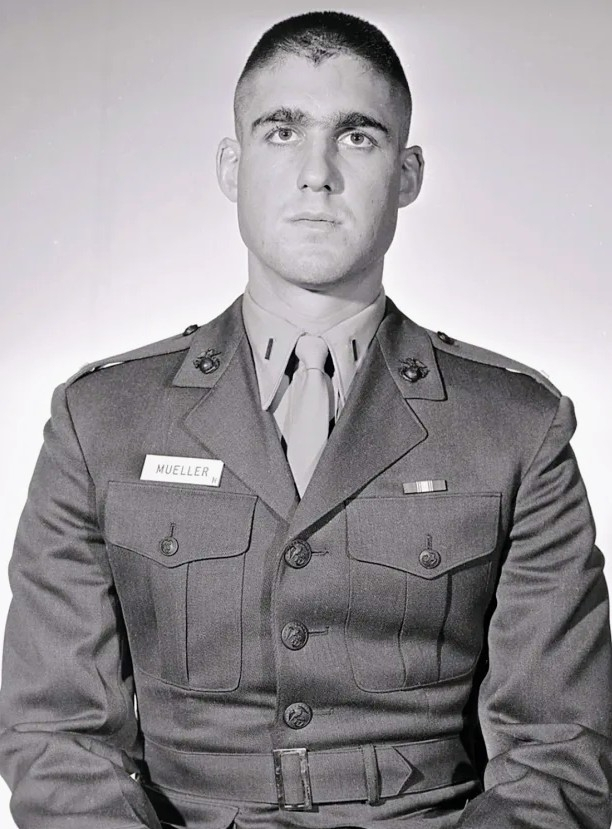
Upon returning to civilian life and earning his law degree from the University of Virginia, Mueller rose through the ranks of the Justice Department. He was not a creature of politics but of the courtroom. As Assistant Attorney General for the Criminal Division in the early 1990s, he oversaw landmark cases, including the prosecution of Panamanian dictator Manuel Noriega and mob boss John Gotti. His experience with the Lockerbie bombing investigation deeply affected him, cementing his resolve to pursue justice for victims of international terrorism.
Leading the FBI Through Transformation
Mueller was sworn in as FBI Director just one week before the September 11 attacks. He is credited with the monumental task of pivoting the Bureau from a domestic crime-fighting agency into a global counter-terrorism powerhouse. His leadership was so highly regarded that President Obama asked him to extend his ten-year term, eventually serving 12 years—the longest tenure since J. Edgar Hoover.
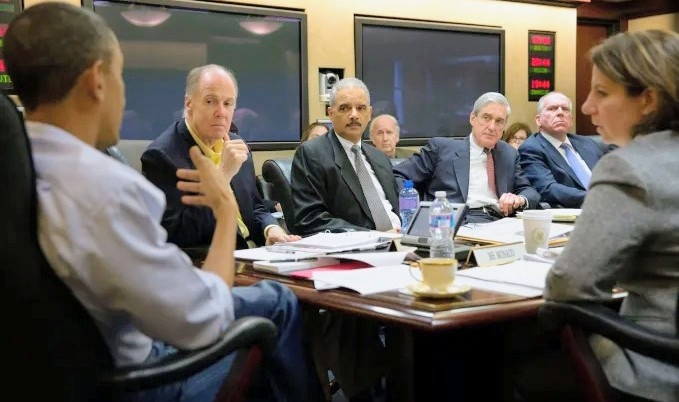
While his support of the Patriot Act and expanded surveillance drew criticism regarding civil liberties, Mueller remained steadfast in his belief that inter-agency information sharing was the primary shield against future attacks. Toward the end of his term, he presciently warned that cyber threats would eventually eclipse traditional terrorism as the greatest risk to national security.
The Special Counsel Era
In 2017, Mueller was pulled from private life to serve as Special Counsel in the investigation into Russian interference in the 2016 election. His appointment was initially met with rare bipartisan praise, a testament to a "pristine" reputation earned over decades.
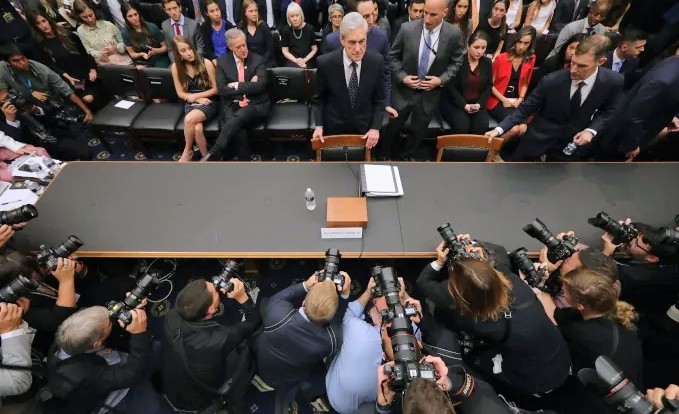
The resulting 448-page report was a meticulous documentation of foreign meddling and campaign contacts. However, Mueller’s insistence on institutional neutrality—specifically his decision to follow DOJ guidelines against indicting a sitting president—left the public narrative vulnerable to political interpretation. While the probe led to 37 indictments and several convictions of high-level associates, Mueller’s refusal to "simplify" his findings for a polarized public meant that his work was often viewed through a partisan lens.
A Final Reflection
Robert Mueller belonged to a generation of public servants who believed the institution was always larger than the individual. His late-life diagnosis of Parkinson’s disease did not dim the respect held for him by colleagues, who remember him as a leader of unwavering integrity.
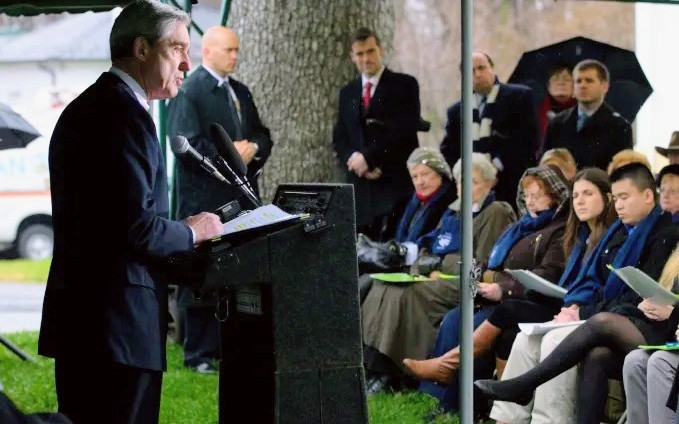
Mueller’s career serves as a case study in the challenges of maintaining institutional independence in an age of hyper-partisanship. Whether in the jungles of Vietnam, the halls of the FBI, or the witness chair before Congress, he operated under a singular ethos: work for your country and your community, and let the facts fall where they may.
#RobertMueller #FBI #PublicService #JusticeDepartment #AmericanHistory


