
The internet is full of discussions about self identity. We are told that we will be in control of our data and online presence. This idea is very appealing to me. However there is a difference between having a digital identity and actually using it in our daily lives. The SIGN token is trying to solve this problem.
To really understand what the SIGN token can do we need to look beyond all the hype and excitement. We need to think about how the SIGN token can be used in life and what its long term potential's. This means looking at the connections the SIGN token is making. The signals it is sending to the market.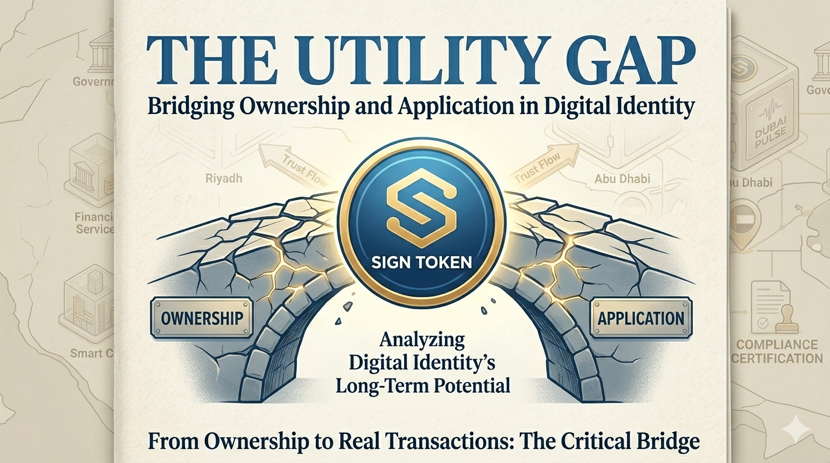
The main problem that the SIGN token is trying to solve is that it is hard to use our identities in a way that's easy and secure. Imagine having a wallet that contains all of our documents like our drivers license and university degree. This would be very useful. Now using these documents online is often complicated and requires a lot of manual work. The SIGN token wants to make this process easier by creating a system where these documents can be easily verified and used.
The SIGN token is like the oil that makes this system work. It helps to verify identities and facilitates payments for issuing credentials. It also helps to make sure that the system is governed in a way.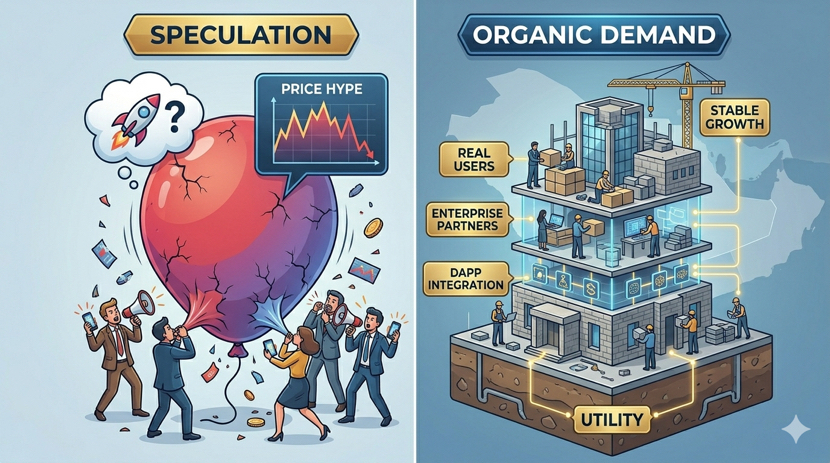
Looking at the market is very important. We need to look at signs that the SIGN token is being used and adopted than just speculation. Here are some things to look at:
Are developers building applications that use the SIGN token for verifying identities? Are institutions like governments and banks using the SIGN token protocol? If so this is a sign that the SIGN token is being adopted.
Is the SIGN token being traded on exchanges? Is it easy to buy and sell the SIGN token? This is important for the SIGN tokens health and stability.
Who is holding the SIGN token? Is it a few people. Is it spread out among many people? This can affect the SIGN tokens price and stability.
Is the development team working on the SIGN token project and making it better? Are they being transparent about their work? This is important for the long term success of the SIGN token.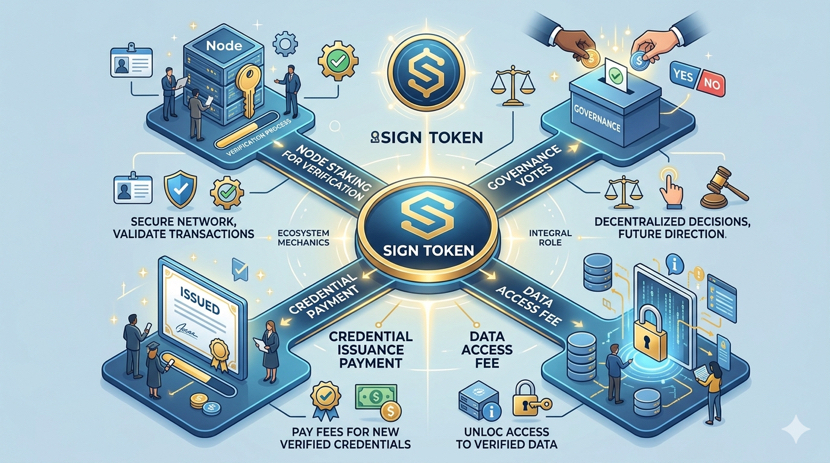
The Middle East is a place for the SIGN token. Many countries there are working to become more digital and are investing in technologies. This could be an opportunity for the SIGN token to be used.
There are a reasons why the Middle East is a good fit for the SIGN token:
Many countries there are working to become more digital and are investing in technologies. This could be an opportunity for the SIGN token to be used.
Security and compliance are very important in the Middle East. The SIGN tokens focus on credentials could be very appealing to people in the Middle East.
Building trust is very important in the Middle East. The SIGN tokens transparent and blockchain based system could help to build trust among individuals, businesses and governments.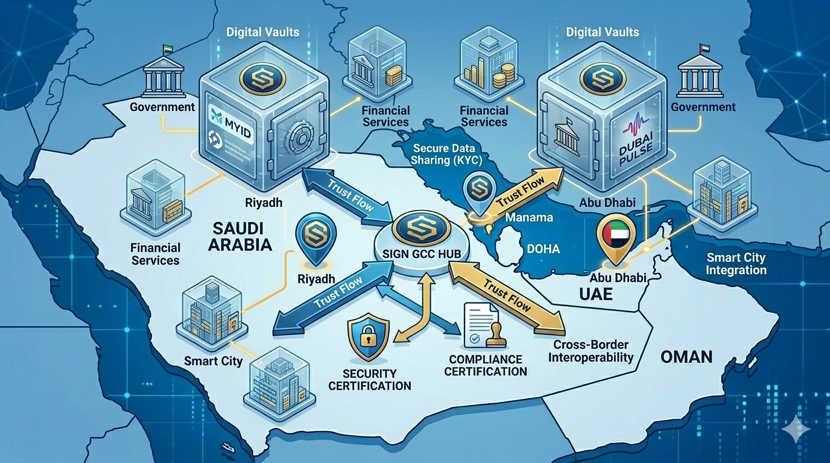
However there are also some challenges that the SIGN token faces.
For example:
Competition: There are already projects working on digital identity. The SIGN token will have to compete with these projects.
Interoperability: The SIGN token needs to be able to work with systems and protocols. If it can't it will be limited in its use.
Regulatory uncertainty: The rules and regulations, around blockchain and digital identity are still changing. This could affect the SIGN tokens success.
Technology execution: The development team will have to do a job of building and deploying the technology. If they don't the SIGN token could fail.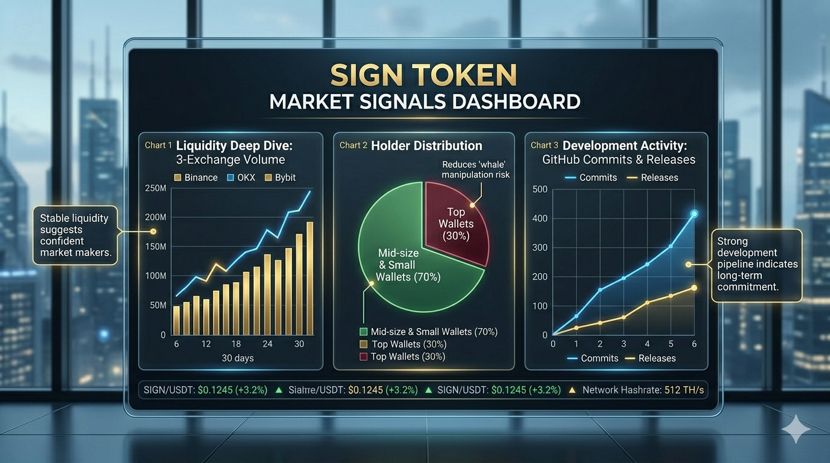
In conclusion the SIGN token has a lot of potential. Its success will depend on how well it's adopted and used, not just its price. We should focus on the fundamentals of the SIGN token and how it can solve world problems related to digital identity and the SIGN token.