
I had a small moment recently while looking at how much modern systems ask us to reveal just to do ordinary things. Not only who we are, but how we move, transact, qualify, and interact. In crypto, that habit often gets defended as transparency. But what stands out to me about Midnight is that it treats this as a design flaw, not a virtue. My view is that Midnight matters less as a privacy chain and more as an attempt to make confidentiality part of the operating system of on-chain activity.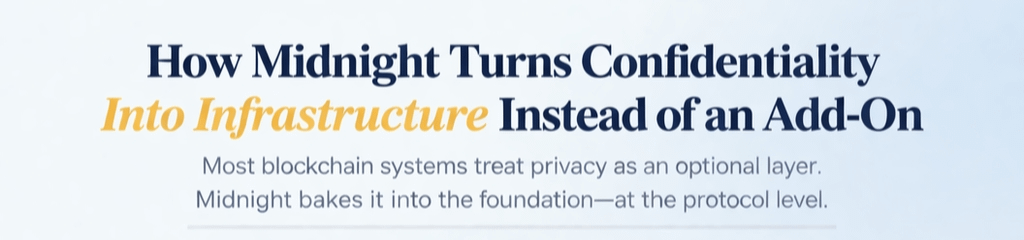 On the surface, Midnight is a blockchain using zero knowledge proofs. In plain language, that means the network can verify that a condition was met without forcing the user to reveal all the underlying data. Underneath, that changes the structure of coordination. Instead of exposing everything and adding privacy later, Midnight builds selective disclosure into the system itself, so users and applications can show only what a counterparty or regulator actually needs to see. That matters because exposure is not neutral. Once data is public, it gets copied, analyzed, and used far beyond the original transaction.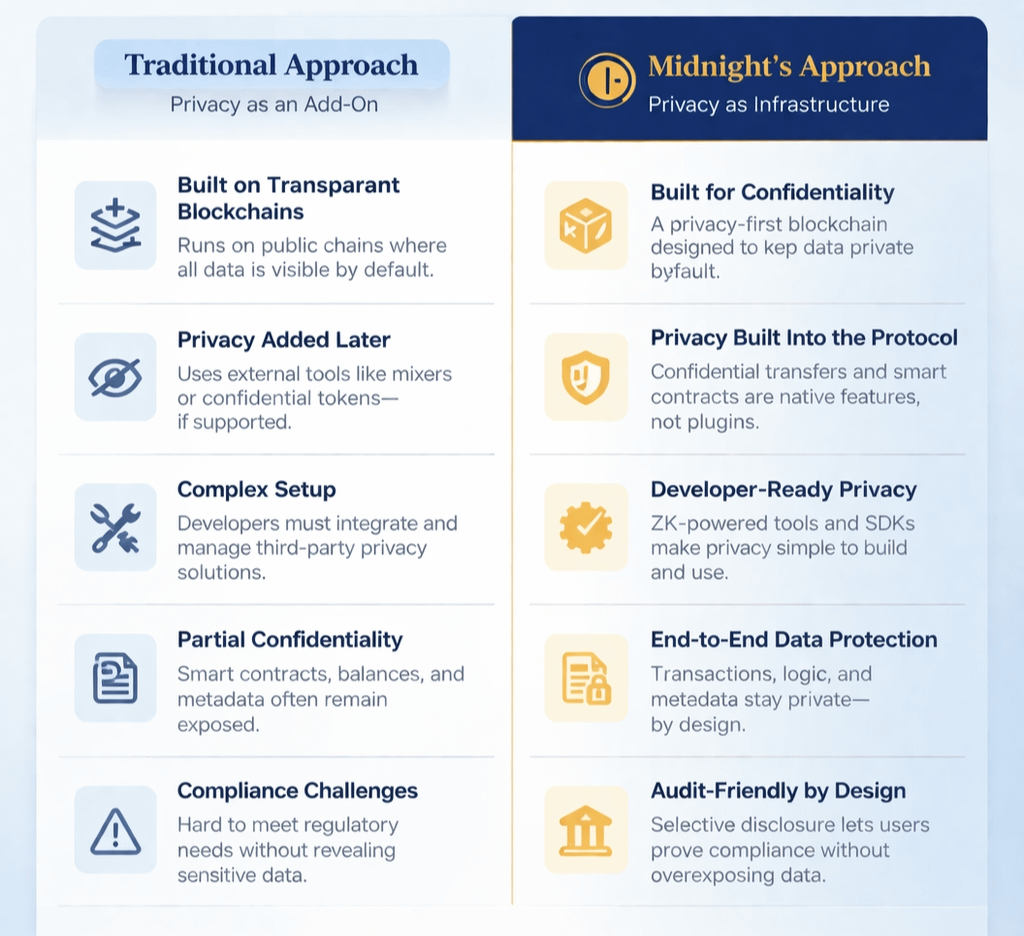
This feels more concrete now because Midnight is no longer sitting in the abstract phase. The project announced its mainnet launch for March 2026, which matters because it shifts the discussion from concept to live network expectations. It also spent February and March expanding its federated node operator set, adding firms such as Google Cloud, Blockdaemon, MoneyGram, Pairpoint by Vodafone, eToro, Worldpay, and Bullish. That matters because confidentiality only starts to look like infrastructure when serious operators are willing to help run it.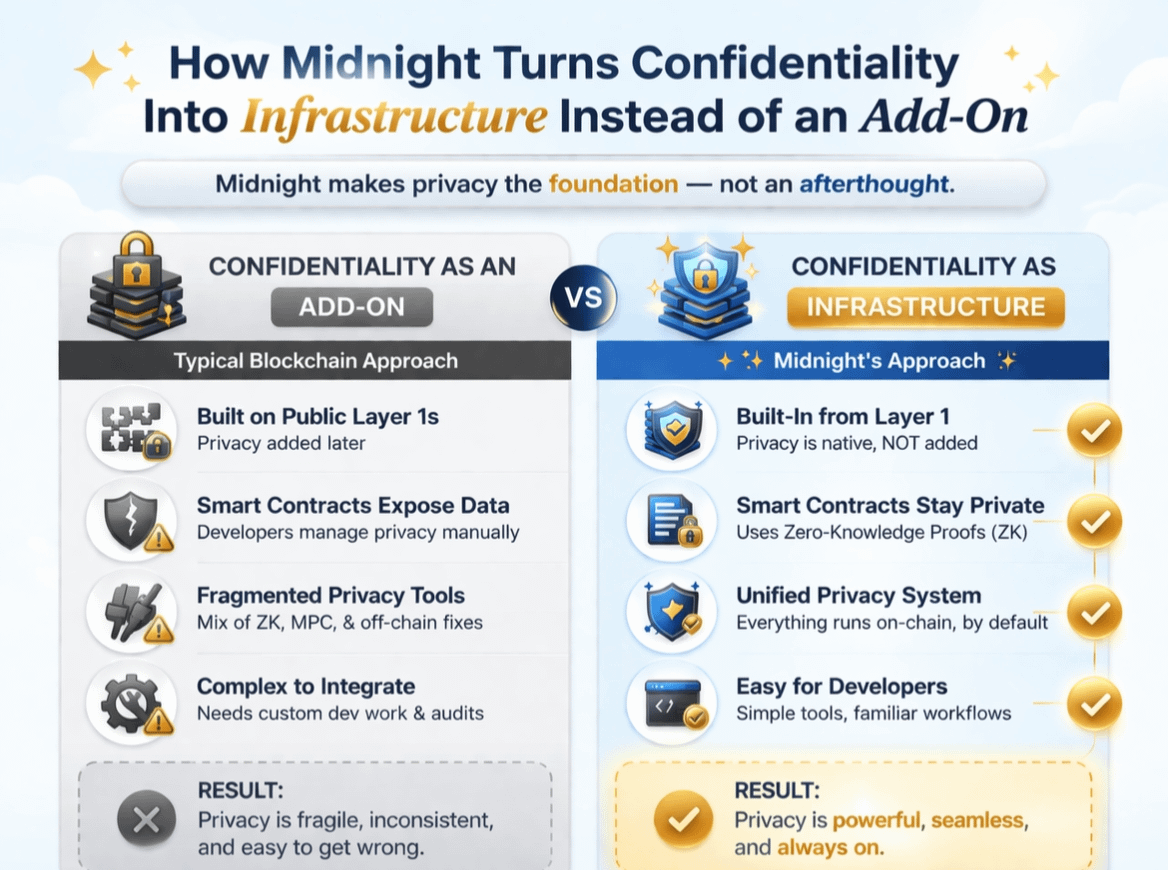 The token model is part of this logic too. NIGHT is the public native and governance token, while DUST is the shielded resource used to pay for transactions. In simple terms, holding NIGHT generates DUST over time. What I keep coming back to is why that matters. It ties private utility to network participation, not just speculation. It also gives builders a way to absorb complexity for users, which could make privacy feel normal instead of burdensome.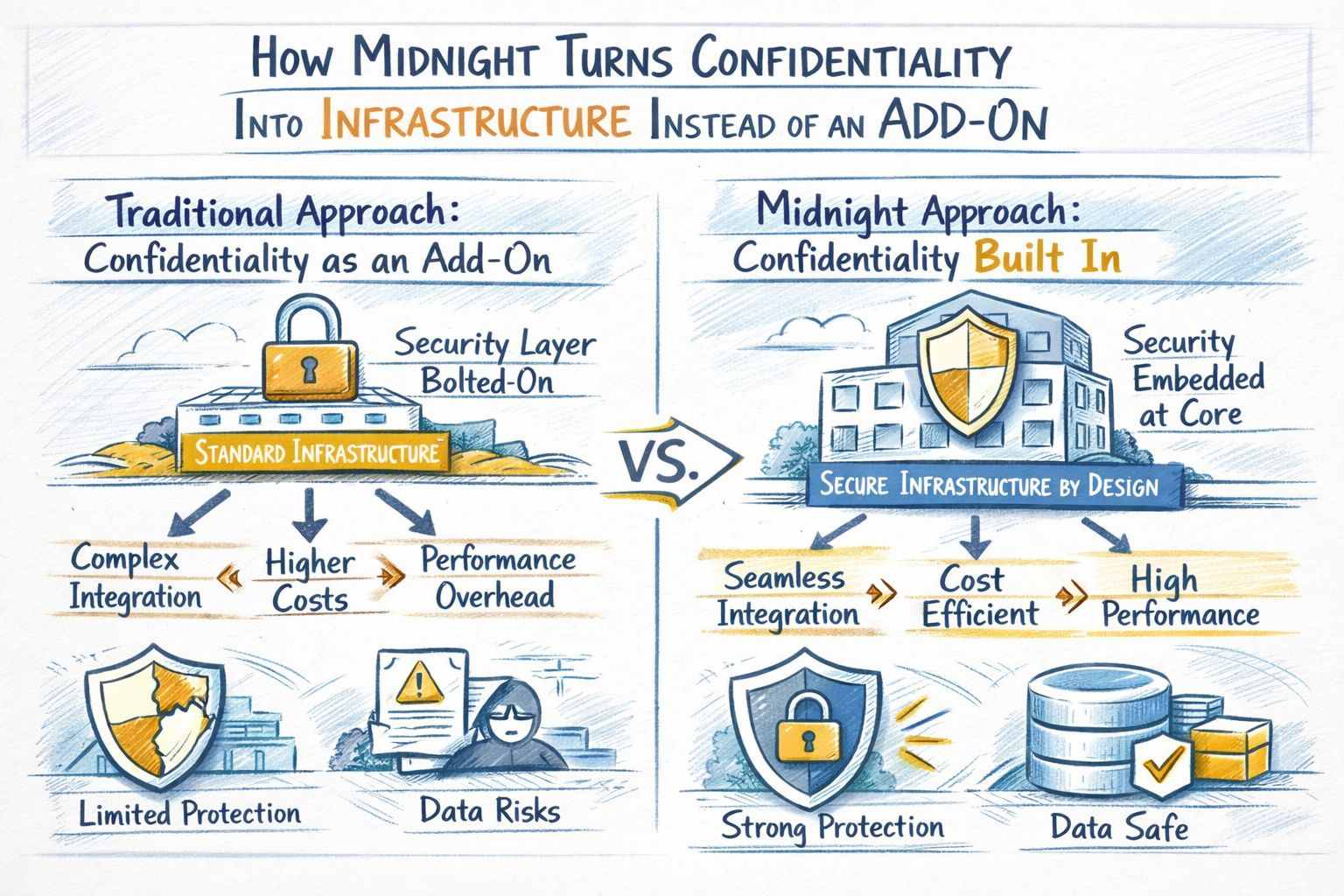
There is a less obvious implication here for builders and even AI-driven applications. Midnight City, revealed in March 2026, uses autonomous agents to simulate continuous economic activity on the network. That matters because future applications may need to protect not only balances, but also logic, thresholds, and intent. A system that exposes every condition invites exploitation.
I would still be careful. Midnight begins with a federated operator model and depends on people trusting proof systems they may never fully understand. That is a real coordination risk. Still, the more I look at it, the more Midnight feels like a serious answer to a question the industry still avoids. Not how to hide more, but how to reveal less by default.