
Eu tenho acompanhado de perto a Midnight Network, e realmente quero me empolgar com isso; está abordando algo com que o cripto lutou para sempre: privacidade real on-chain sem abrir mão da verificabilidade. Mas quanto mais eu penso sobre isso, mais se resume a uma grande e desconfortável pergunta: quanto estou disposto a confiar em um sistema onde não posso espiar debaixo do capô?
Blockchains tradicionais como o Bitcoin são incríveis porque tudo está lá, exposto. Você pode auditar transações, rastrear fundos, identificar problemas cedo, uma pura mágica de “não confie, verifique”. Essa transparência é o que tornou o cripto revolucionário. Mas tente colocar informações sensíveis lá, como registros médicos, acordos privados ou até mesmo apenas os detalhes completos da sua carteira e isso desmorona rapidamente. A privacidade se torna o sacrifício pela confiança.
A meia-noite inverte esse script. Construído como uma cadeia parceira no ecossistema Cardano, utiliza provas de conhecimento zero (ZKPs) em seu núcleo para permitir que você prove que algo é verdadeiro sem mostrar os dados reais. Pense em um protocolo de empréstimo: você prova que seu colateral cobre o empréstimo sem que ninguém veja seu portfólio inteiro. A rede verifica isso criptograficamente, o consenso acontece e sua privacidade permanece protegida.
Parece a privacidade perfeita + confiança através da matemática. Mas aqui é onde meu ceticismo entra: estamos trocando transparência radical por confiança em criptografia muito mais complexa.
Em cadeias tradicionais, se há um bug ou exploração, toda a comunidade pode vê-lo, rastreá-lo e consertá-lo rapidamente porque os dados são públicos. Com a meia-noite, os dados permanecem ocultos, então o consenso depende da confiança de que a prova está correta. Se o circuito ZKP tiver um defeito ou a implementação falhar, quem o detecta? A maioria dos usuários não está profunda o suficiente na criptografia de conhecimento zero para auditar isso de forma independente.
Uma comparação simples entre transparência e privacidade em configurações de blockchain:
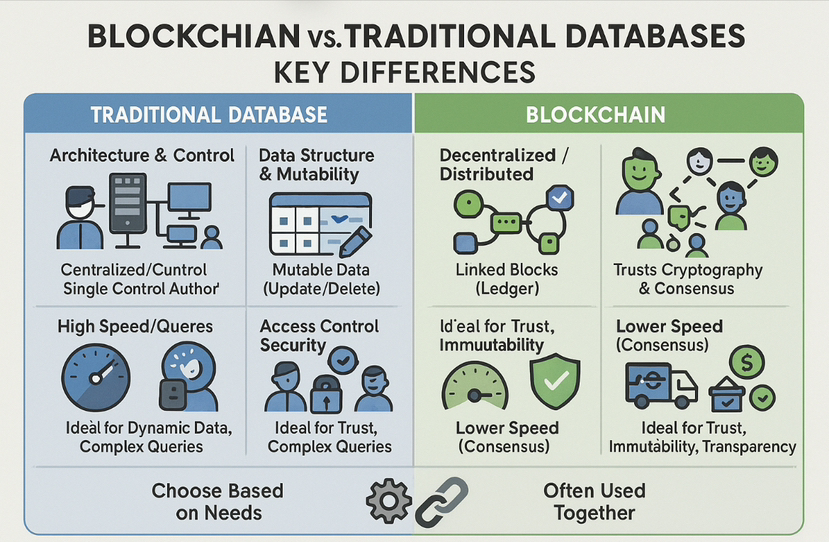
A meia-noite torna os contratos inteligentes mais acessíveis e baratos, o que é ótimo para mais construtores, mais inovação. Mas nem todo desenvolvedor é um mago da criptografia. Camadas de código complexo com recursos de privacidade pesados criam pontos cegos. Um pequeno erro pode se transformar em um grande problema, e depurá-lo pode ser muito mais difícil do que em uma cadeia transparente.
A equipe diz que a confiança vem da matemática, não da visibilidade e quando os ZKPs são sólidos, isso é verdade. Mas se o sistema falhar de forma grande e as pessoas perderem dinheiro, quem explica isso para os usuários comuns? Muitas vezes volta para os desenvolvedores ou especialistas explicando. Isso não nos leva silenciosamente a confiar nas equipes novamente, assim como os sistemas centralizados? Pode ser que não tenhamos escapado dos antigos problemas de confiança; apenas os reempacotamos em matemática sofisticada.
Uma visão mais ampla sobre a dinâmica da confiança se deslocando para sistemas baseados em algoritmos:
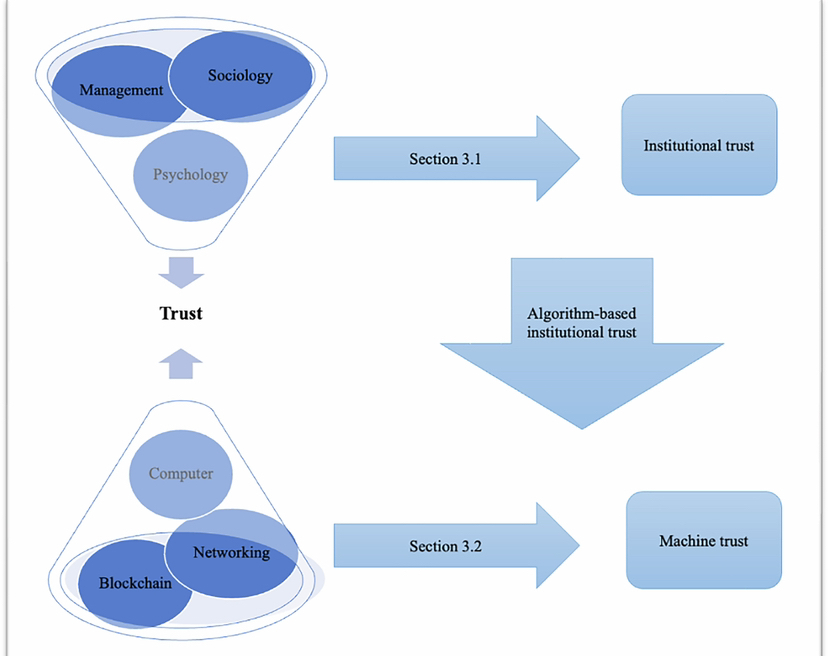
Estou torcendo pela meia-noite porque a verdadeira privacidade na blockchain é enorme, especialmente para coisas como finanças compatíveis, identidade ou casos de uso empresarial. Mas é uma verdadeira troca filosófica: as vitórias de privacidade justificam uma confiança maior na criptografia que não podemos verificar completamente por nós mesmos?
O que sobre você faz com que a “privacidade racional” pareça progresso, ou isso também o deixa inquieto?
@MidnightNetwork $NIGHT #Night
