The International Energy Agency (IEA) said at least 40 energy assets—including oil fields, refineries, pipelines, and gas facilities—have been “severely or very severely” damaged across nine countries across multiple Gulf and wider Middle East states since the onset of conflict.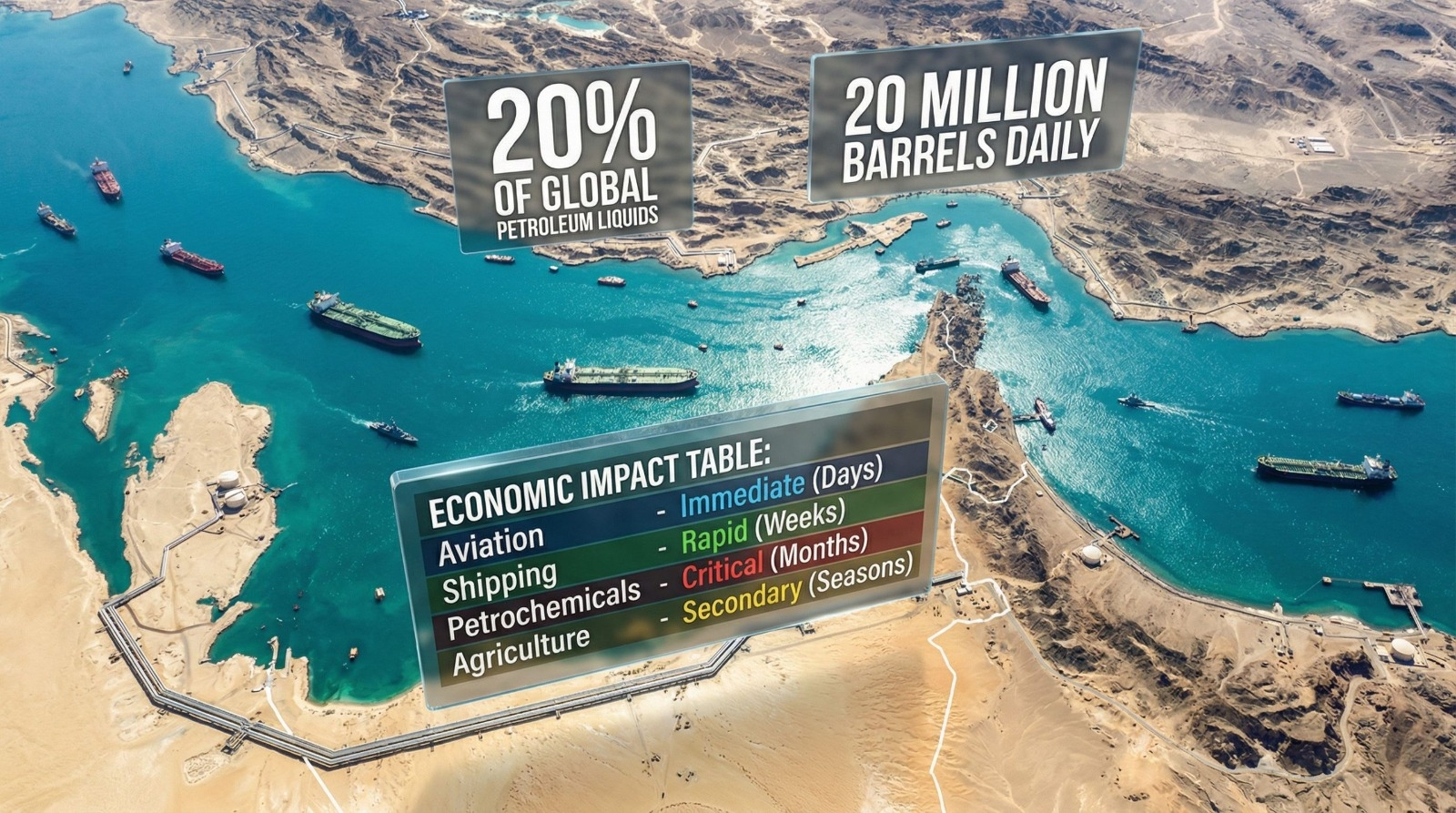
IEA executive director Fatih Birol said that the situation was now “very serious”, more so than the two oil crises in 1973 and 1979, and more serious than the gas crisis sparked by Russia’s invasion of Ukraine.
“At that time, in each [oil] crisis, the world has lost about 5 million barrels per day, both of them together 10 million barrels per day. And after that we all know that there were major economic problems around the world. And today we lost 11 million barrels – so more than two major oil shocks put together,” Birol told the National Press Club in Canberra, Australia, at the start of a world tour.
The global economy is under "major threat" from the energy crisis caused by the Middle East war and "no country will be immune" to its effects.
"The single most important solution to this problem is opening the Hormuz Strait," he added. “The depth of the problem was not well appreciated by the decision makers around the world,” prompting him to speak out publicly three weeks into the conflict.
The IEA is also consulting with governments in Asia and Europe on the release of more stockpiled oil "if necessary" due to the Iran war, Birol said on Monday.
"If it is necessary, of course, we will do it. We look at the conditions, we will analyse, assess the markets and discuss with our member countries," Birol commented.
Oil prices rose again early Monday, with the U.S. benchmark crude briefly touching the $100-per-barrel mark.