
Cryptocurrency has evolved from a niche technological experiment into a significant force in the global financial system. As of 2026, the crypto landscape reflects a complex blend of innovation, institutional adoption, regulatory scrutiny, and ongoing volatility. Understanding the current situation requires looking at both its opportunities and its challenges.
Market Maturity and Key Players
At the center of the crypto ecosystem remain leading digital assets like Bitcoin and Ethereum. Bitcoin continues to dominate as a store of value, often compared to gold, while Ethereum powers decentralized applications through its smart contract functionality.
Unlike earlier years dominated by retail investors, the market now sees strong participation from institutional players such as hedge funds, banks, and asset managers. The introduction of crypto exchange-traded funds (ETFs) and regulated investment products has made it easier for traditional investors to gain exposure, contributing to increased legitimacy and stability—though not eliminating volatility.
Rising Regulation Across the Globe
One of the most defining aspects of the current crypto environment is regulation. Governments are no longer ignoring cryptocurrencies; instead, they are actively shaping how they operate.
In regions like the United States and the European Union, authorities have introduced clearer frameworks aimed at protecting investors, preventing money laundering, and ensuring financial stability. These regulations have brought more transparency but also imposed compliance burdens on crypto businesses.
In contrast, countries like Pakistan still maintain a cautious stance. While crypto is widely used by individuals for trading and remittances, it exists in a regulatory gray area, with no comprehensive legalization yet in place.
Expanding Real-World Adoption
Cryptocurrency is increasingly being used beyond trading. Businesses are beginning to accept crypto payments, and blockchain technology is being integrated into industries such as finance, logistics, and healthcare.
Stablecoins—cryptocurrencies pegged to traditional currencies—have become especially important. They provide a bridge between the volatile crypto market and stable fiat currencies, enabling faster and cheaper cross-border transactions.
At the same time, governments are exploring Central Bank Digital Currencies (CBDCs), which aim to combine the efficiency of digital assets with the control of traditional monetary systems.
Persistent Risks and Challenges
Despite its growth, the crypto sector remains risky. Price volatility continues to be a major concern, with markets capable of dramatic swings within short periods.
Security issues also persist. Hacks, scams, and fraudulent projects still occur, particularly in less regulated parts of the ecosystem. Investors must exercise caution and conduct proper research before committing funds.
Regulatory uncertainty is another challenge. Sudden policy changes or crackdowns in major markets can significantly impact prices and investor sentiment.
Emerging Trends Shaping the Future
Several trends are shaping the next phase of crypto development. The integration of artificial intelligence with blockchain is opening new possibilities, while decentralized finance (DeFi) and Web3 platforms continue to evolve.
Bitcoin’s halving cycles remain a key factor influencing long-term price movements. Meanwhile, Ethereum and competing blockchains are focusing on scalability and efficiency to support growing demand.
Conclusion
The situation of cryptocurrency in 2026 reflects a transition from speculation to structured growth. While the market has matured and gained broader acceptance, it is still far from fully stable or universally regulated.
Crypto is no longer just an experiment—it is an emerging pillar of the global financial system. However, its future will depend on how effectively it balances innovation with regulation, and risk with opportunity.
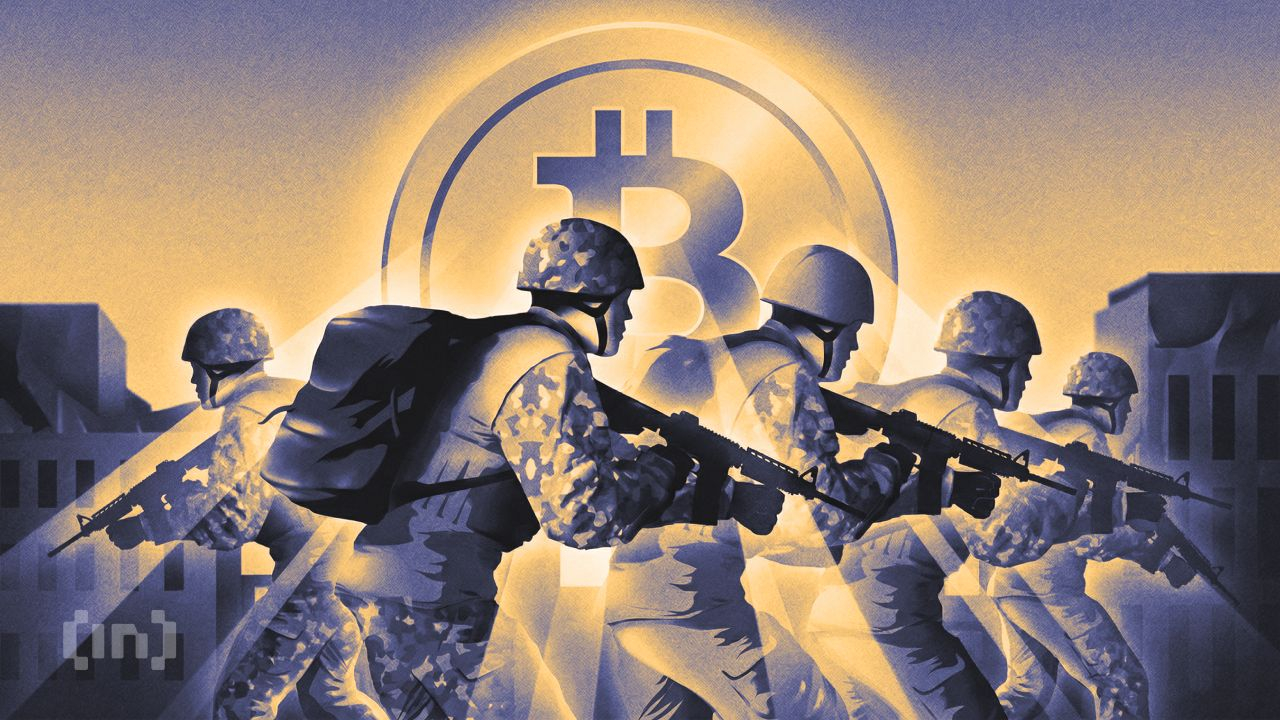
#crypto #war #InvestmentAccessibility


