
Web3 começou com uma grande ideia: uma internet onde ninguém precisava depender de uma autoridade central ou intermediário. Apenas usuários interagindo e construindo em seus próprios termos. As blockchains deveriam lidar com a parte da confiança, tornando as coisas abertas e verificáveis. Mas aqui está a reviravolta: mesmo com sistemas “sem confiança”, as pessoas ainda não confiam realmente umas nas outras. Onde quer que você olhe, fraudes, robôs, contas falsas e dados manipulados atrapalham o que deveria ser um campo de jogo nivelado. Essa lacuna de confiança está desacelerando o Web3.
O cerne do problema é identidade e reputação. As carteiras são anônimas por padrão, o que soa ótimo para a privacidade, mas isso também significa que qualquer um pode criar dezenas de carteiras, fingir ser outra pessoa ou manipular o sistema. Coisas como ataques Sybil, onde pessoas agem como milhares de usuários falsos, acontecem o tempo todo. Portanto, os desenvolvedores têm que agir como detetives, tentando constantemente filtrar maus atores de participantes genuínos.
É aqui que o Sign Protocol entra. Ele não pede que ninguém confie cegamente ou entregue o controle a um sistema centralizado. Em vez disso, oferece "atestados verificáveis", basicamente declarações assinadas criptograficamente sobre um usuário ou evento. Vamos supor que você queira provar que sua carteira está ligada a uma pessoa real ou que você passou em uma verificação KYC, ou que você contribuiu para um projeto de código aberto. Você recebe uma atestação que é portátil, à prova de violação e pública, muito mais confiável do que credenciais tradicionais.
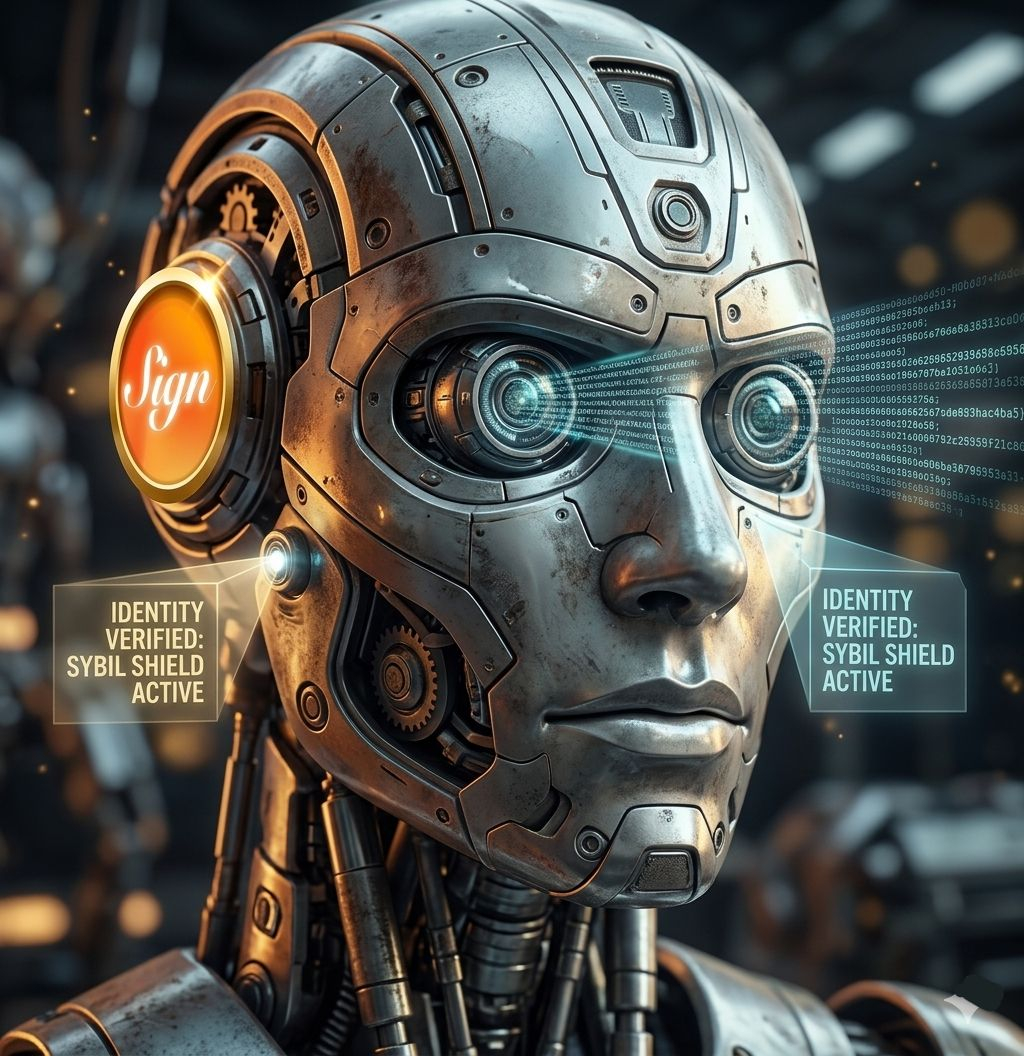
Com este Sign Protocol, uma camada de confiança é adicionada ao Web3. Você pode provar algo sobre si mesmo, mas manter suas informações pessoais privadas. Quando você combina isso com Provas de Conhecimento Zero, pode verificar as coisas sem realmente revelar dados sensíveis. Privacidade e confiança, ambas levadas a sério.
Isso muda muito. Os desenvolvedores podem construir aplicativos que exigem atestações antes de permitir a entrada das pessoas, reduzindo bots e spam. Os usuários podem levar uma reputação com eles em vez de começar do zero toda vez. A atestação o acompanha quase como um passaporte para o Web3.
Pense sobre DAOs de jogos DeFi, todos eles precisam de confiança. Imagine votar na governança de DAO onde seu poder de voto é baseado em contribuições reais, não apenas em tokens. Ou airdrops que vão para verdadeiros membros da comunidade em vez de exércitos de bots. Essa é a mudança que poderia trazer as pessoas de volta ao Web3.
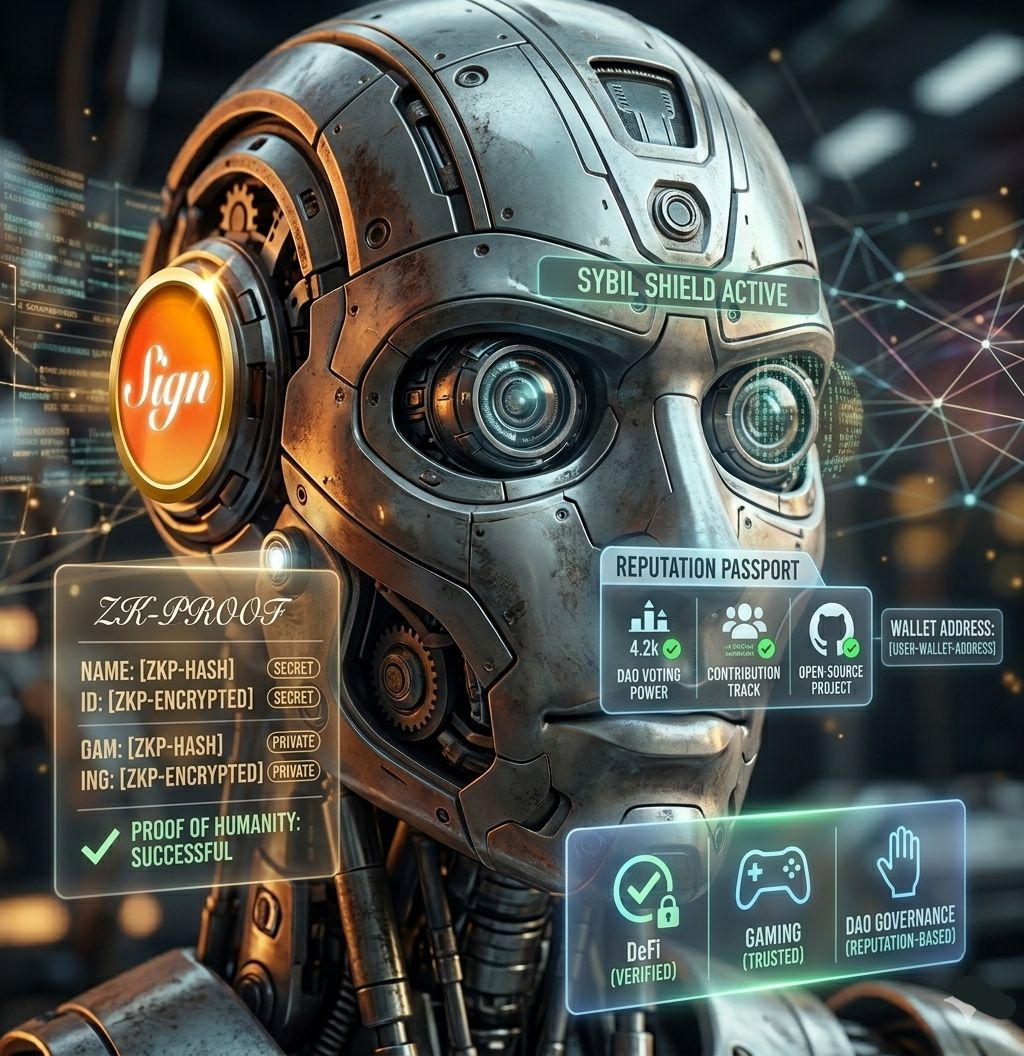
Mas para o Sign Protocol funcionar de verdade, precisa que as pessoas se envolvam. Desenvolvedores, organizações, todo o ecossistema tem que concordar sobre o que conta como uma atestação e quem pode emiti-las. Aplicativos precisam ser construídos para verificar essas credenciais. Sem esse efeito de rede, mesmo a melhor tecnologia pode acabar ignorada.
Honestamente, o momento parece certo. À medida que o Web3 se aproxima da IA e da automação, a demanda por dados sólidos e verificáveis só crescerá. Sistemas autônomos dependem de informações confiáveis para funcionar, portanto, um protocolo para provar que essas informações são legítimas pode ser fundamental para a próxima versão da internet.
No final do dia, o Web3 não pode ser apenas sem confiança, precisa ser confiável. O Sign Protocol oferece uma maneira real de transformar confiança em algo que você pode realmente verificar e usar. Se pessoas suficientes adotarem, podemos finalmente fechar a lacuna entre a promessa da blockchain e como ela funciona na vida real, tornando o futuro descentralizado não apenas maior, mas mais seguro.
#SignDigitalSovereignInfra || $SIGN || @SignOfficial

#TrumpConsidersEndingIranConflict #MarchFedMeeting #CryptocurrencyWealth #write2earn🌐💹