The nature of global energy security has fundamentally shifted. For years, the "nightmare scenario" for the global economy centered on the temporary closure of the Strait of Hormuz. However, recent targeted attacks on the physical backbone of energy production in the Persian Gulf—specifically the Ras Laffan complex in Qatar and the South Pars field in Iran—have introduced a far more permanent threat.
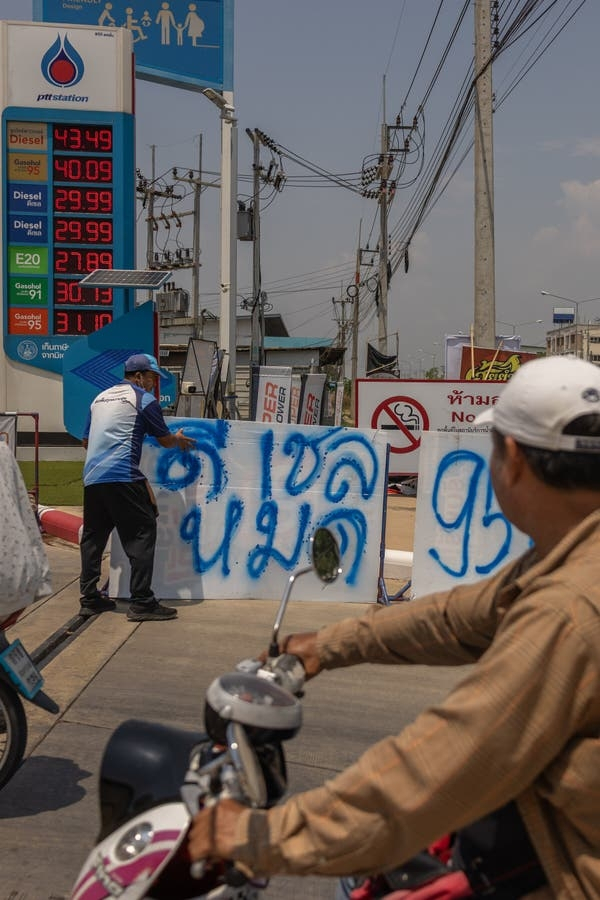
We are no longer looking at a temporary pause in shipping; we are witnessing the long-term degradation of infrastructure that supplies a fifth of the world’s liquefied natural gas (LNG).
Why This Crisis is Different:
Permanent vs. Temporary: Unlike a naval blockade, which can be lifted, destroyed refineries and gas facilities can take years to rebuild. Initial estimates suggests a 17% reduction in export capacity that could take up to five years to repair.
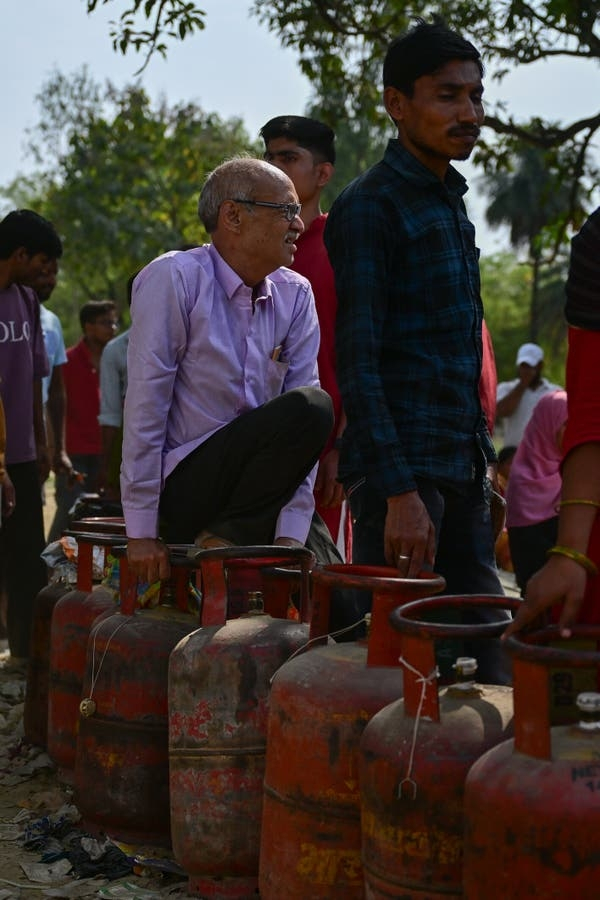
The LNG Choke Point: While oil often dominates the headlines, the scarcity of LNG processing facilities makes them uniquely vulnerable. This disruption impacts everything from home heating to the manufacturing of semiconductor chips and fertilizer.
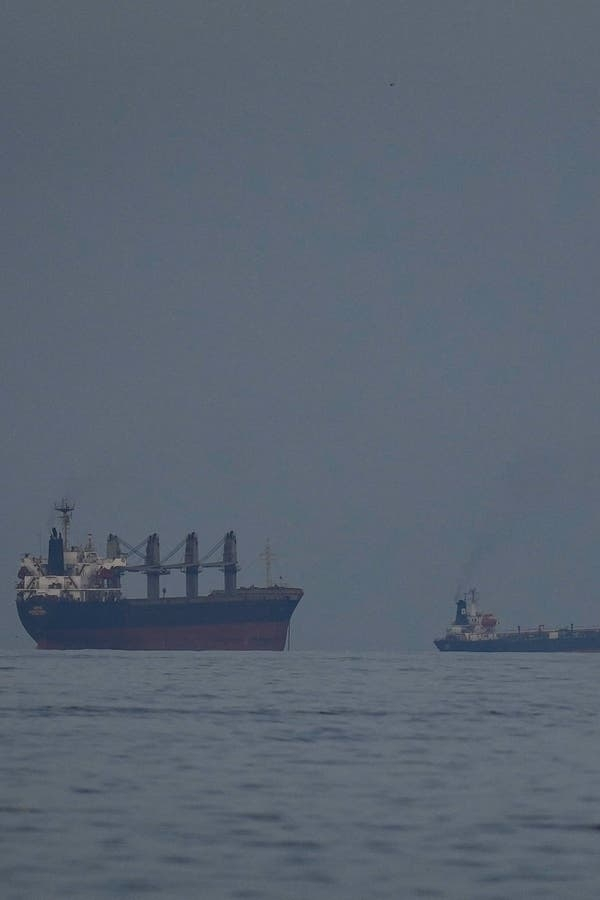
Inflationary Pressure: With crude oil potentially reaching $200 a barrel, the cost of moving goods—by air, sea, and truck—will rise sharply. This "energy tax" will inevitably trickle down to the price of every consumer good, from electronics to produce.
Geopolitical Leverage: The ability to use low-cost weaponry to disable sophisticated, multi-billion-dollar energy hubs has changed the risk calculus for global investors and insurers indefinitely.
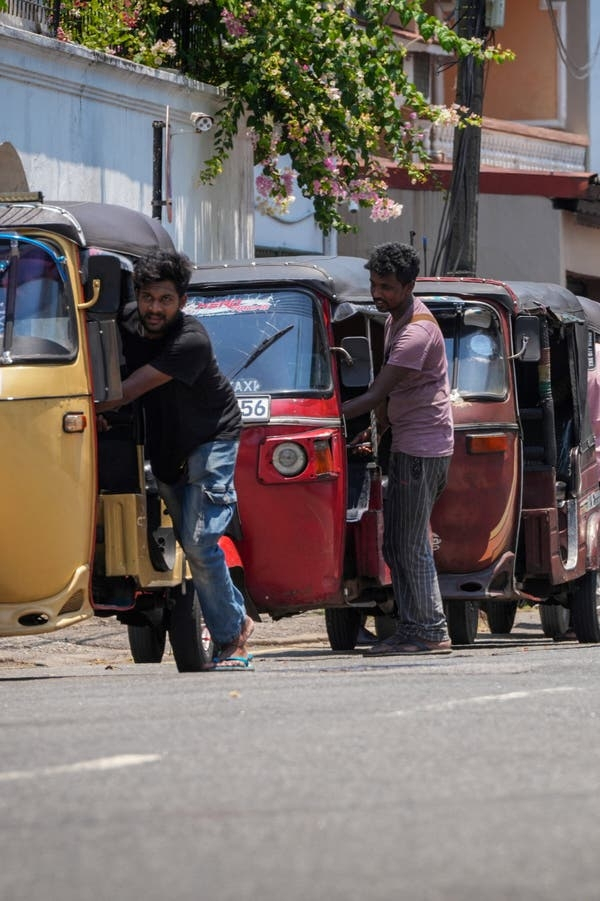
As governments across the globe begin rationing fuel and closing institutions to manage costs, the resilience of the post-pandemic global economy is being put to its most severe test yet. The "risk premium" for Middle Eastern energy is likely here to stay, long after the current kinetic conflict subsides.
#GlobalEconomy #EnergySecurity #SupplyChain #NaturalGas #MacroEconomics