


I’ve been watching this space for a few days now, and something clicked today. I’ve traded enough narratives to know when a word gets repeated so much it starts sounding empty, and “digital sovereignty” was getting close to that for me. Then I looked at what $SIGN is actually building, and the idea got way more practical.
My read on this is simple: digital sovereignty in Web3 is about whether your identity, credentials, and access rails still work when a centralized platform decides to change the rules. That’s the part I think people miss. Owning your wallet is one thing. Owning the infrastructure that verifies who you are, what you can access, and what gets recognized on-chain is a different layer entirely. No permission needed. That matters.
Today’s campaign topic made me rethink what “own your infrastructure” really means. Sign’s broader thesis is tied to sovereign blockchain infrastructure, digital identity, and digital asset distribution for governments and large-scale systems. That’s lowkey interesting because it pushes the conversation beyond pure speculation.
The campaign context also gives this narrative real timing. Binance Square’s CreatorPad campaign for SignDigitalSovereignInfra offers a 1,968,000 SIGN reward pool, and the activity window runs from 2026-03-19 09:30 UTC to 2026-04-02 23:59 UTC. To participate, posts need to include the $SIGN
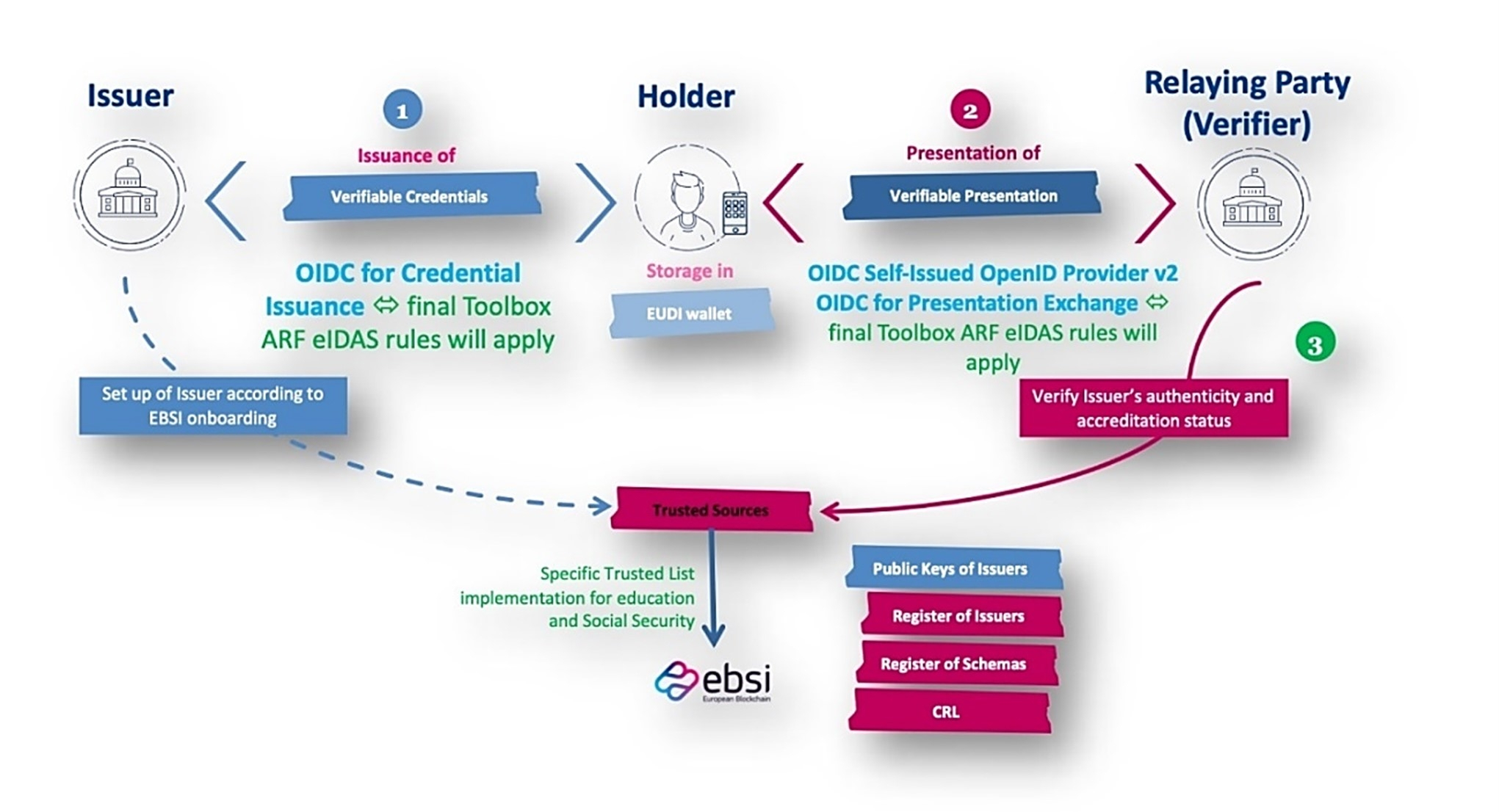
What helped me understand this better was seeing the identity angle in real terms. Sign’s whitepaper argues that digital transformation breaks down when identity infrastructure is weak, and it gives a concrete example from Sierra Leone where 60% of farmers lack the phone numbers needed to receive digital agricultural services because of identity gaps. That’s not a token-price story. That’s infrastructure.
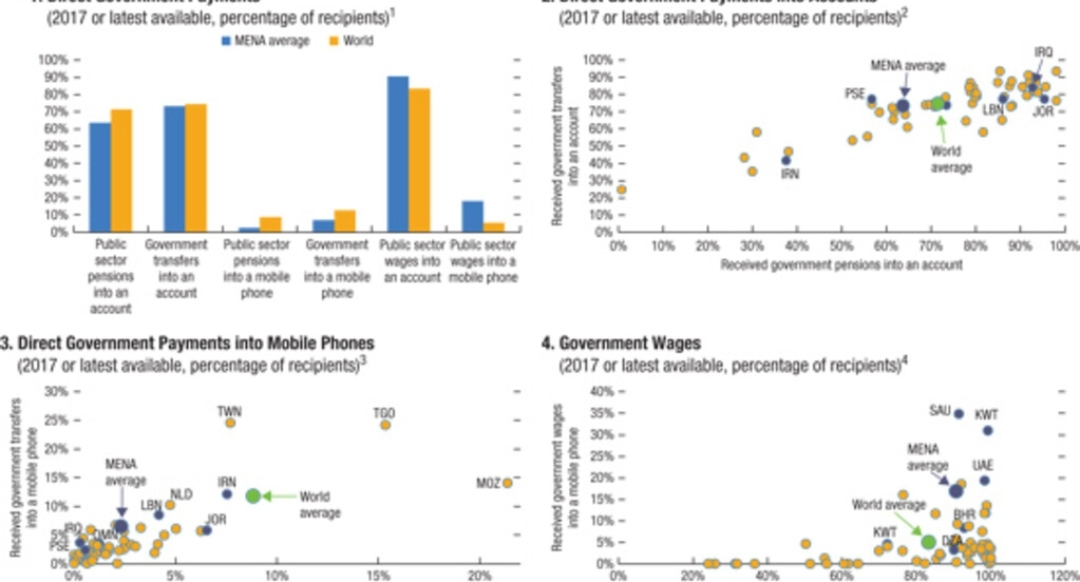
There’s another stat that stood out to me too. In the same materials, Sign says identity gaps leave roughly two-thirds of citizens unable to access financial services even when digital rails already exist. And from a product view, the stack is being framed in layers: blockchain as the base, identity as the access layer, and asset distribution as the delivery layer.
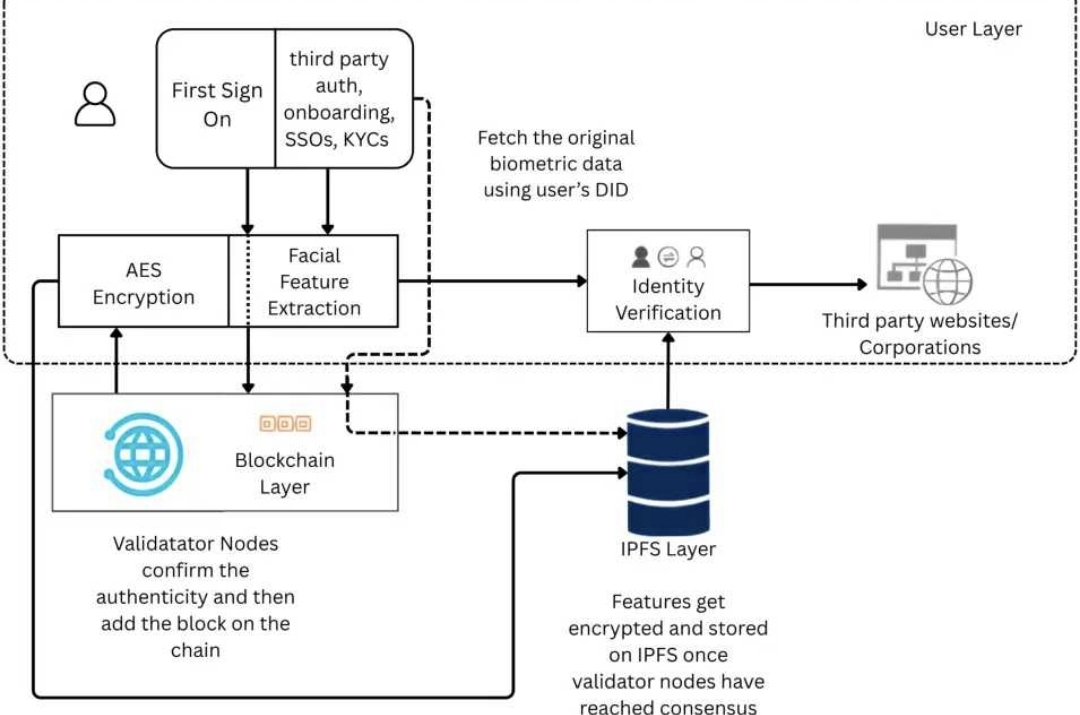
From what I’ve seen, that structure is the real pitch here. Not “replace everything overnight.” More like: make identity, verification, and distribution portable enough that governments, builders, and users aren’t trapped inside one company’s database. That doesn’t get talked about enough.
Personally, I’m not instantly bullish on every infrastructure token just because the narrative sounds big. I’ve traded long enough to know infra plays can stay ignored for a while. But I do think digital sovereignty becomes more valuable the moment people realize that owning assets without owning the trust layer is only half ownership.
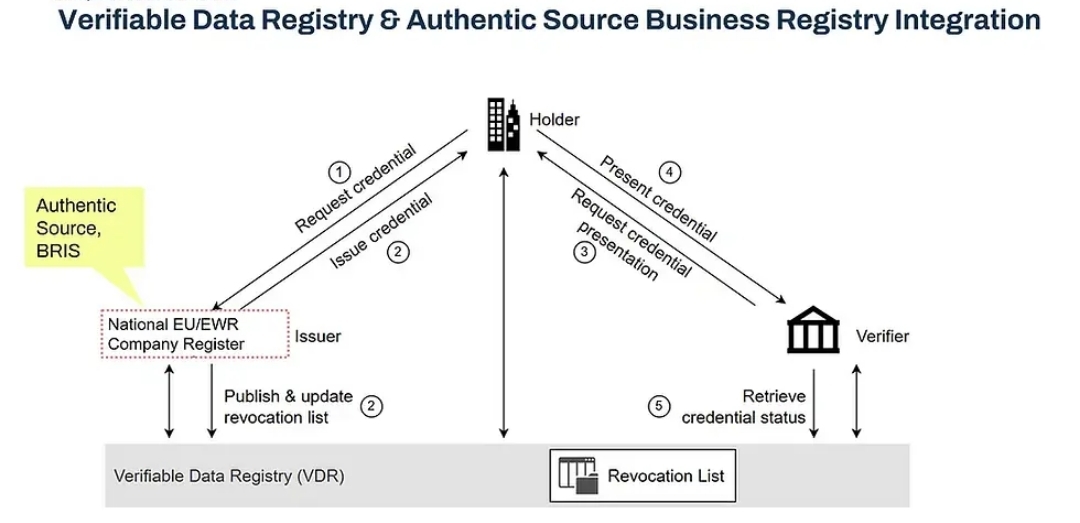
That’s why this campaign caught my attention. Not because I expect a straight-line move, but because the underlying question feels real in 2026: if your identity and verification still depend on centralized gatekeepers, how sovereign is your digital presence really? For me, this is a space worth watching closely.
Are you looking at sovereign infrastructure plays like $SIGN as long-term bets on identity rails, or are you only trading the campaign momentum right now?