
Today, we will talk about the Binance Creator Program, its rules, and especially the reward distribution system.
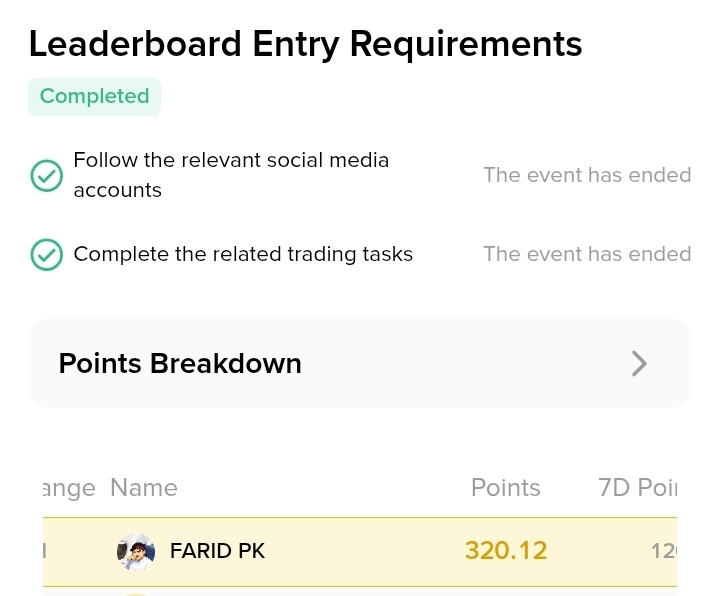
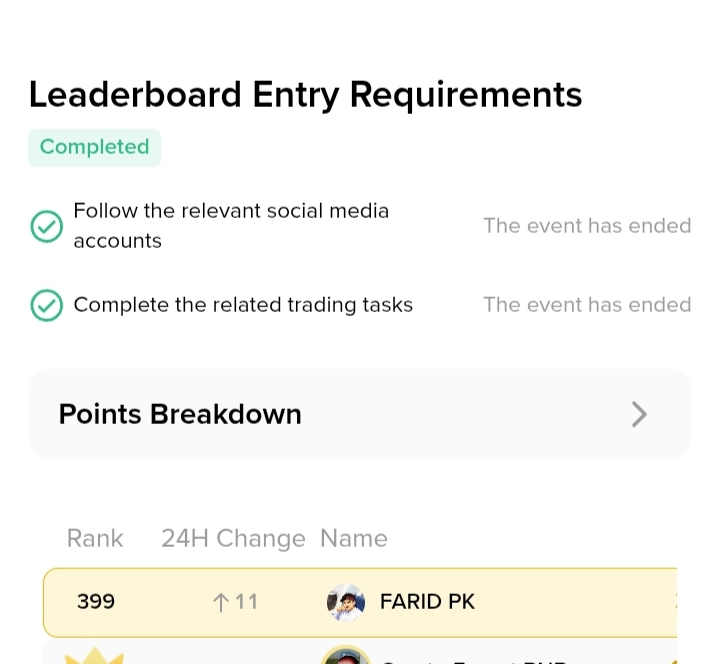
I worked continuously on a project for approximately 20 to 30 days, as a result of which I reached rank 399 on the global leaderboard and earned a significant number of points. Yet, despite this, I received no reward because I did not qualify. From here arises the fundamental question: is this system truly fair or not?
According to the current model, only the top 50, 100, or at most 300–500 people are given rewards, while thousands, and in some cases 50,000 to 70,000 people participate. That is, a very large community contributes effort, but the benefit is limited to only a few.
Now an important question arises: are the 300 or 500 people who win rewards truly deserving?
The answer is yes, largely. These are the people who create original content, conduct deep research, write strong articles and posts without AI, and consistently put in effort. On this basis, it is just that they receive rewards, and there can be no disagreement on this.
However, another important aspect exists. If a user violates rules, copies content, or manipulates the system, they should receive no points and should be automatically disqualified from that project. This would make the system more transparent and fair.
The real problem arises where thousands of people work consistently, not just for days but for weeks on the same project, earn points, yet ultimately receive nothing. This situation directly creates demotivation.
When a user remains active for 10 to 14 days or more, creates content, and still receives no reward, they gradually distance themselves from the program. This is harmful not only for the user but also for the project and the platform.
Here, another clarification is necessary. All these points are not for the benefit of a single individual. If viewed from a deep perspective, this model benefits the platform, the project, and the entire community.
Some projects think that only those who have deep knowledge about the project should receive rewards so that they hold the reward and provide long-term support. But in practice, this assumption does not hold.
The reality is that most people sell their rewards the same day they receive them, regardless of how much information they have about the project. This means that a concentrated reward model does not create a real holder base for the project but instead generates immediate sell pressure.
In contrast, if the reward is distributed widely, the outcome can be different.
For example, if 10,000 people receive rewards and 7,000 of them sell, still 3,000 holders remain. These 3,000 holders can form a strong foundation for any project, which is far better than the current model.
My perspective is that the reward system should be points-based and proportional.
That is:
Whoever has how many points should receive a reward according to that.
If someone has 1,500 points, they should get the corresponding share, and if someone has only 2 points, they should also get something according to that.
This model has several advantages:
Every user will remain motivated, even if their points are low.
Participation will continuously increase, potentially growing from 70,000 to millions.
The project will gain thousands of holders, not just a few hundred sellers.
The community will remain strong and active, which is the real power of any project.
For example, if a project allocates $50,000 for rewards, that same $50,000 can be distributed among all participants according to their points. This would ensure fairness and also create a large and stable holder base.
In short, the current system prioritizes quality, which is correct, but ignoring the widespread effort of the community is a fundamental weakness. If reward distribution is made more balanced, transparent, and based on both merit and inclusion, it will benefit the platform, projects, and the entire community—threefold.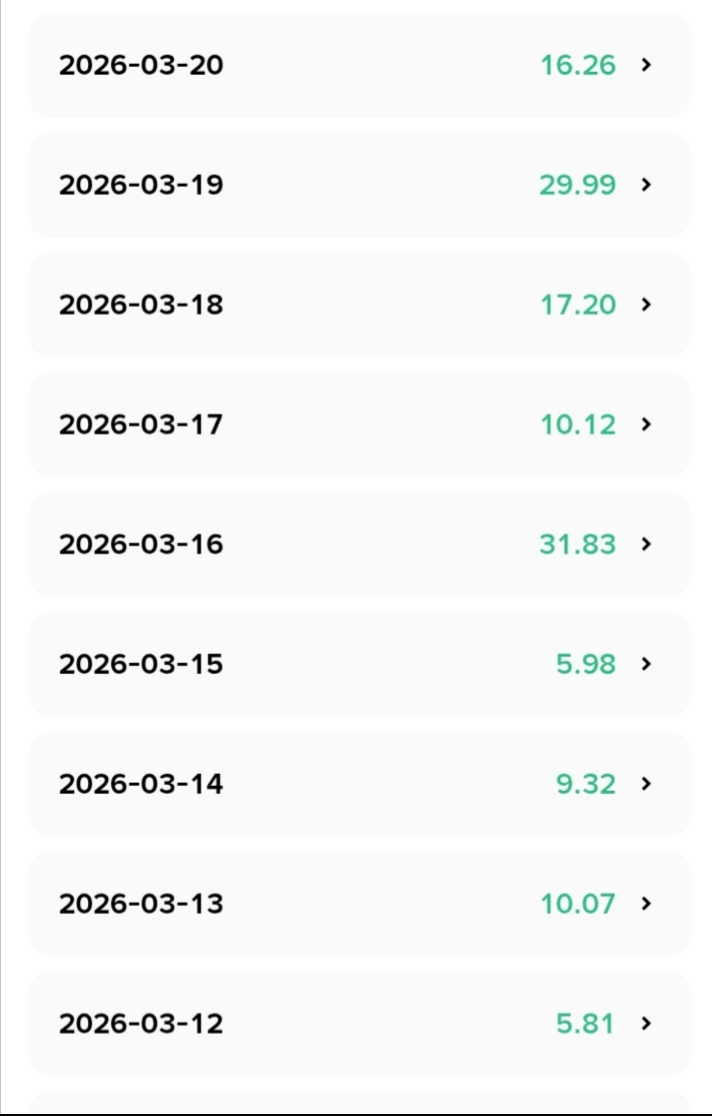
Good luck for everyone ❤️ @Binance Square Official @Binance Spot @Binance BiBi