The South Korean cryptocurrency market, long known for its high-energy trading and "Kimchi Premium," is facing a sudden and dramatic cooling period. New data reveals that crypto liquidity is tumbling across the nation's major exchanges. As stablecoin balances dry up, it appears that retail investors are looking elsewhere to park their cash, signaling a major shift in how the country’s tech-savvy population approaches digital wealth.
Stablecoin Balances Plunge by 55%
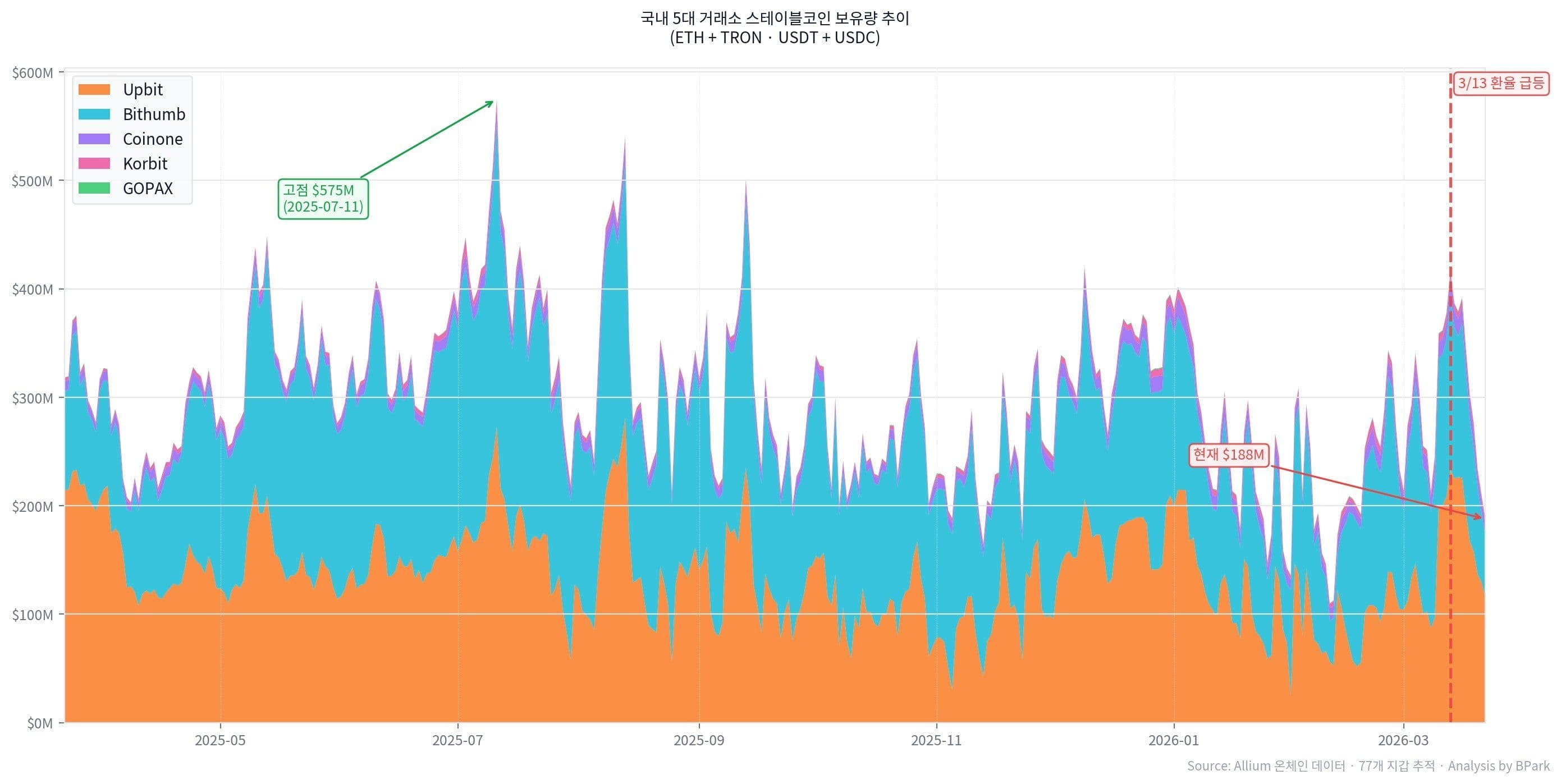
The most alarming figure in the recent reports is the massive drop in stablecoin holdings. On-chain analysts have observed a staggering 55% decline in stablecoin balances on South Korean exchanges. Since stablecoins like USDT and USDC are the primary "ammunition" traders use to buy Bitcoin and Altcoins, this exit of capital suggests that the immediate buying power in the market has been cut in half. Without these liquid reserves, the market becomes more vulnerable to price swings and lower trading volumes.
The Great Migration to the Stock Market
So, where is all that money going? It isn't just sitting in bank accounts. There is a visible trend of "Main Street" investors moving their capital from volatile crypto assets into the domestic and U.S. stock markets. High interest rates and a recovering tech sector have made equities look like a safer bet compared to the recent turbulence in the crypto space. For many South Koreans, the thrill of the crypto pump is being replaced by the steady climb of blue-chip stocks.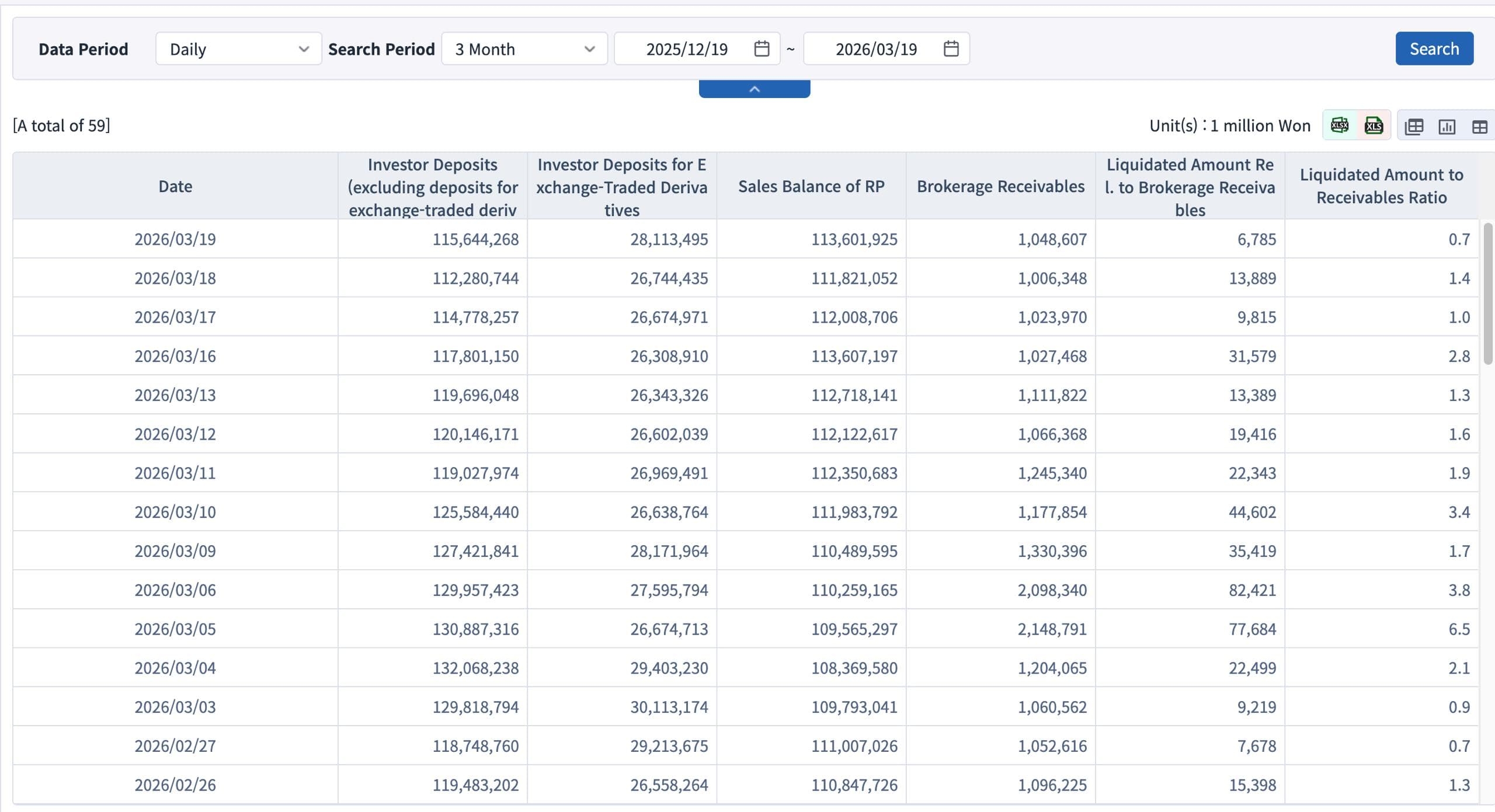
Why Liquidity Matters for Your Portfolio
For the average trader, falling liquidity is a major red flag. When liquidity tumbles, "slippage" increases, meaning it becomes harder to buy or sell large amounts of crypto without moving the price against yourself. The current environment suggests that the "Kimchi Premium"—where crypto prices in Korea are higher than the global average—could shrink or even disappear if the lack of local demand continues. It’s a period of consolidation that is forcing local exchanges to rethink their strategies to lure investors back.
Is This the End of the Korean Crypto Craze?
While the numbers look grim for now, many experts believe this is a natural cycle. The South Korean market has a history of bouncing back stronger after periods of low activity. However, until stablecoin balances start to rise again, the market will likely remain in a sideways or bearish trend. Investors are keeping a close eye on upcoming regulatory changes in Seoul, which could either provide the clarity needed for a comeback or further push capital toward traditional finance.
#US5DayHalt #CZCallsBitcoinAHardAsset #iOSSecurityUpdate #iOSSecurityUpdate $SOL $ETH $SUI