

Some projects chase attention. Others quietly build things that are hard to replace once they work. SIGN feels like the second type.
At a glance, it doesn’t look exciting. The chart still reflects early distribution pressure, and the token structure isn’t exactly friendly in the short term. But if you look past that and focus on what’s actually being built, it starts to stand out.
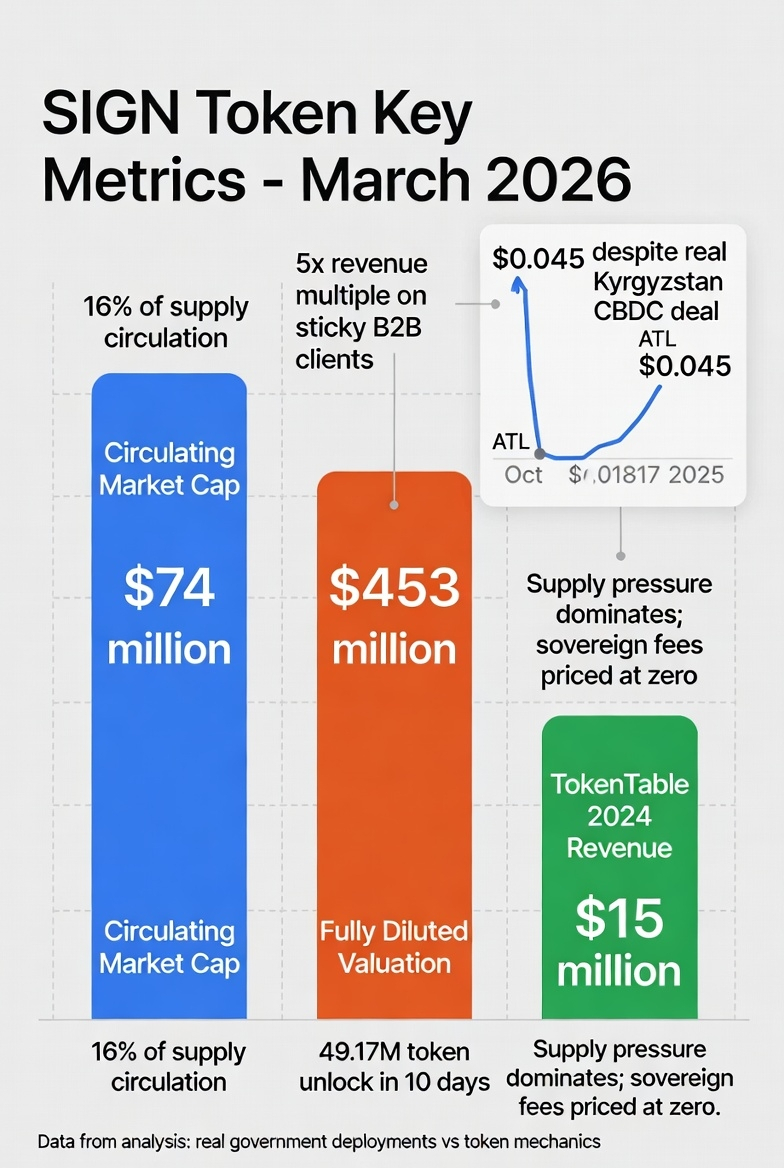
SIGN isn’t targeting typical crypto users. It’s building infrastructure for governments and institutions, things like identity systems, document verification, token distribution, and eventually CBDCs. These aren’t experimental ideas. These are core systems that real economies rely on.
What’s interesting is how it approaches this.
Instead of separate tools, SIGN has a connected stack. TokenTable handles token distributions, EthSign covers document execution, and Sign Protocol acts as the verification layer. All of them share the same foundation and can plug into existing systems without forcing a full rebuild.
That last part matters. Governments don’t replace infrastructure easily. They upgrade it.
There’s also a real business already running here. TokenTable reportedly generated around $15M in revenue in 2024, processing billions in distributions across major ecosystems. And once projects integrate that kind of infrastructure, switching away isn’t simple. That creates stickiness most crypto products don’t have.
So even without the big narrative, there’s already something working.
Then there’s the sovereign angle.
SIGN has been working with governments on actual deployments, and the product design reflects real-world requirements. The inclusion of a private network for CBDCs isn’t something you add for marketing. It suggests direct input from institutions that are seriously evaluating the tech.
If even one of these deployments moves into real usage at scale, the impact could be significant.
That’s the part the market isn’t really pricing yet.
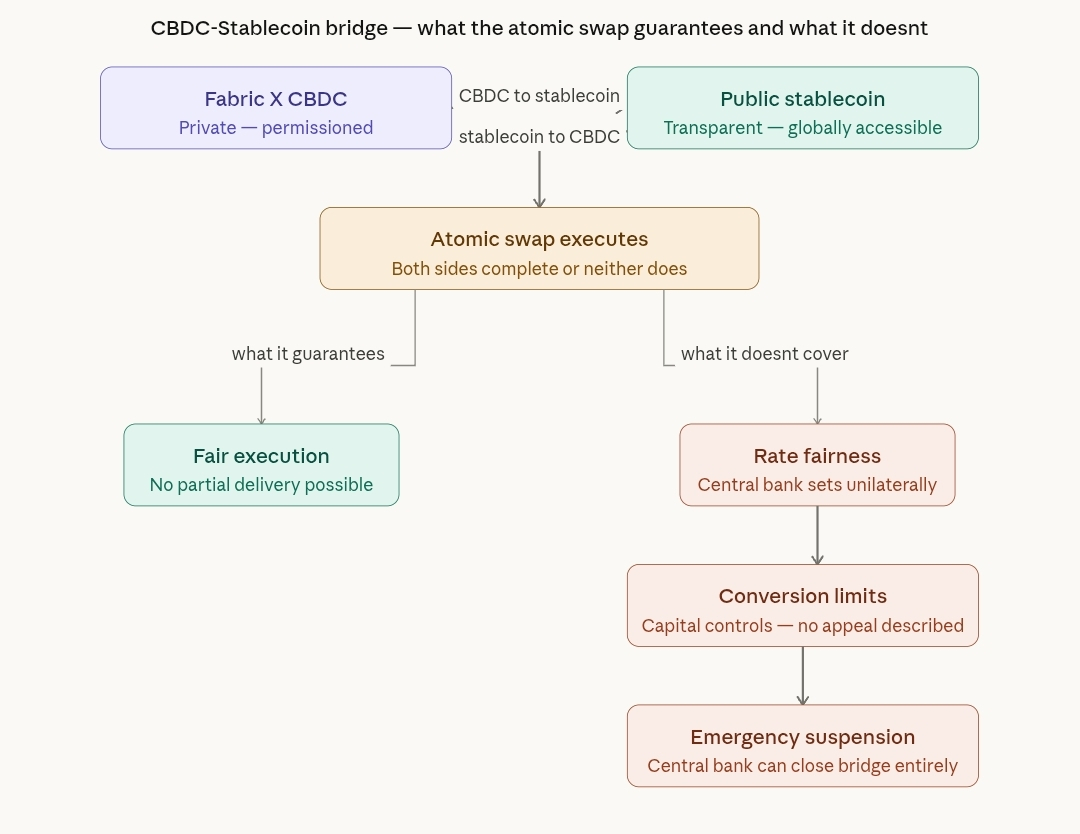
Right now, valuation is driven by what’s visible: supply pressure, unlocks, and short-term performance. And to be fair, those are real factors. They matter.
But markets tend to struggle with things that don’t have clear comparisons.
There isn’t a strong precedent in crypto for infrastructure being used at a national level with consistent, real-world demand. If that starts happening, the way this gets valued likely changes.
And it doesn’t need everything to work perfectly.
It needs one real success.
One deployment that moves beyond pilots. One system that generates consistent activity. One proof that this isn’t just potential, but something being used daily.
Until then, it probably continues to trade under pressure and skepticism.
But under the surface, this isn’t just another token trying to find a narrative.
$SIGN is trying to become infrastructure.
And if it actually gets there, the current pricing won’t look confusing. It’ll look early.