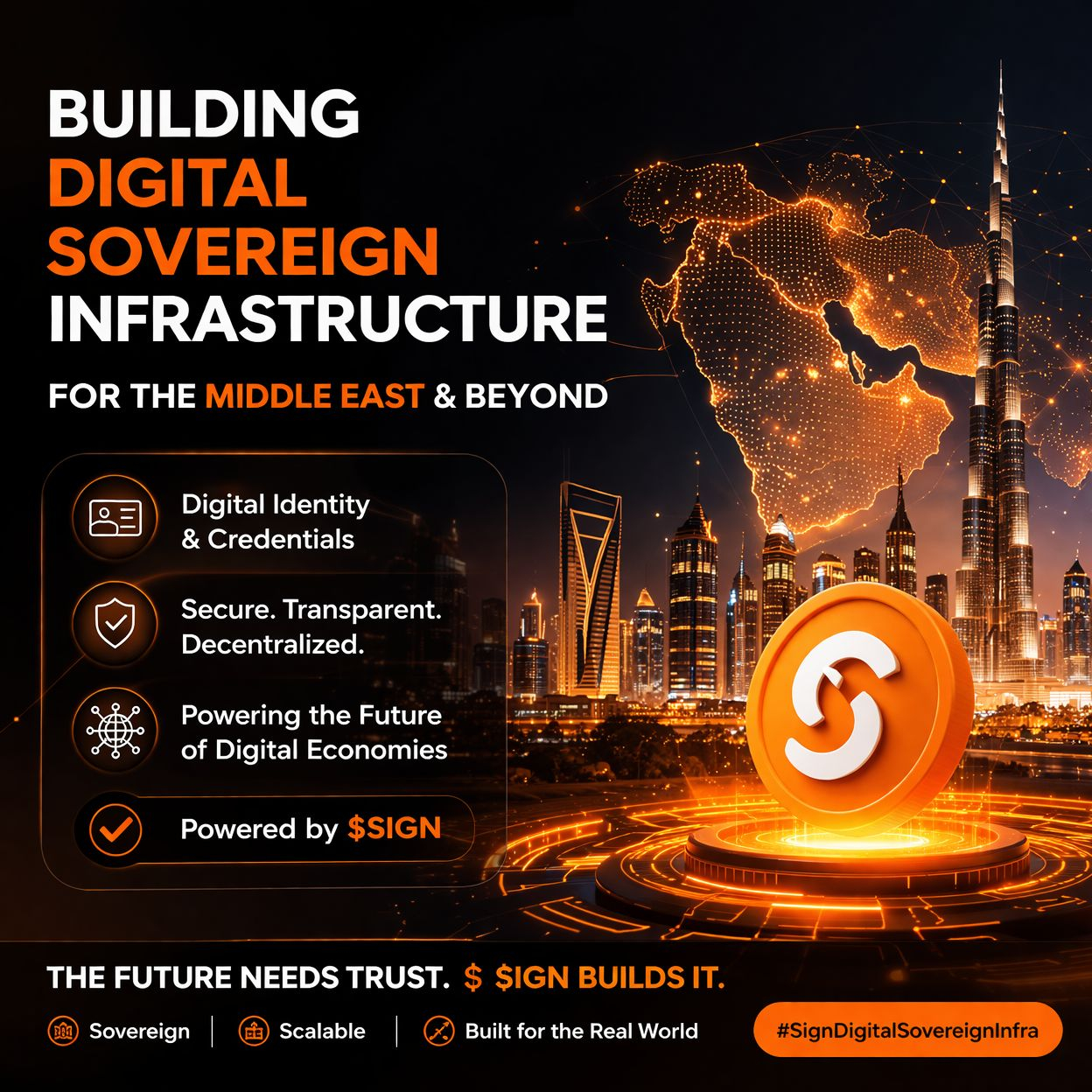
@SignOfficial is a blockchain project focused on building digital infrastructure that real people and real institutions can use, not just another token to trade. At its core, Sign aims to solve one basic problem: **how do we verify information in a digital world without relying on centralized servers or hidden systems? This is something governments, businesses, and individuals all struggle with. Whether it’s proving your identity, showing that a document is real, confirming that a payment was made, or distributing rewards fairly, trust and verification are essential. Sign makes this possible with technology anyone can understand and use.
One of the main ideas behind Sign is the Sign Protocol, which acts like a digital notary and record keeper. Instead of trusting screenshots, PDFs, or third‑party databases, the Sign Protocol lets people create verifiable digital certificates called attestations that can be checked by anyone. These attestations can represent many things, like proof of identity, eligibility for a program, successful completion of a task, or ownership of an asset. Because these records are stored securely and linked through cryptography, they cannot be tampered with or faked. This opens the door to a world where your online credentials and documents can be verified instantly without relying on a single company or authority.
To power this system, the SIGN token is used as the native utility and governance asset in the ecosystem. It does more than just exist on an exchange, it fuels the operations of the Sign platform, pays for services, and allows users and holders to take part in decisions about how the project grows over time. This means that community members who hold SIGN tokens can have a voice in how features are developed and how the platform evolves. The token also supports incentive programs that reward people who contribute to the network or use its tools.
What makes Sign especially interesting is its real‑world applications, particularly for countries and regions that are building out digital services. In the Middle East and other fast‑growing areas, governments and businesses are looking to modernize how identity, public records, and economic programs work. Instead of building closed systems that can be expensive and difficult to manage, they can use Sign’s decentralized approach to create systems that are open, secure, and verifiable. This could make public services easier to use, reduce fraud, and build greater trust between people and institutions.
Sign’s technology also includes tools like TokenTable, which helps manage and distribute tokens or rewards transparently, and SignPass, which simplifies decentralized identity. Together, these tools form a system that not only supports verification but also helps projects and organizations manage large‑scale activities such as token airdrops, credential issuance, and compliance‑friendly workflows.
Overall, Sign is not just a technical concept,it’s a practical platform with real utility. It bridges everyday needs for verifiable records and digital trust with blockchain technology that is designed to be decentralized, secure, and easy to adopt. @SignOfficial represents a vision of a future where digital identity, certification, and verification are available to everyone, and where the SIGN token plays a central role in powering that evolution.