
O cenário empresarial do Oriente Médio há muito enfrenta ineficiências nos processos administrativos, particularmente no que diz respeito ao licenciamento e registro de empresas. Empreendedores e empresas frequentemente enfrentam tempos de aprovação prolongados, extensa papelada, múltiplas visitas a agências e riscos de perda ou adulteração de documentos. Esses obstáculos desaceleram o crescimento econômico, desencorajam investimentos estrangeiros e frustram inovadores locais ansiosos para lançar empreendimentos.
Em países do GCC, como os Emirados Árabes Unidos e a Arábia Saudita, sistemas tradicionais baseados em papel historicamente contribuíram para atrasos. Relatórios destacam desafios como atrasos nos pagamentos, problemas de coordenação entre as partes e gargalos burocráticos que prolongam os cronogramas dos projetos e inflacionam os custos. Para muitas startups e empresas já estabelecidas, navegar por esses processos legados pode levar semanas ou meses, desviando recursos valiosos das operações principais.
Este documento sobrecarrega pilhas de documentos, submissões repetidas e verificações manuais criam não apenas frustração, mas uma verdadeira desaceleração econômica em uma região que busca diversificação rápida além do petróleo.
Entre a tecnologia blockchain: um livro-razão descentralizado e imutável que promete registros à prova de adulteração, verificabilidade instantânea e fluxos de trabalho simplificados. Os governos do Oriente Médio reconheceram esse potencial desde cedo. Os Emirados Árabes Unidos lançaram a Estratégia Blockchain dos Emirados 2021 para transferir uma parte significativa das transações governamentais para plataformas blockchain. Dubai foi pioneira em casos de uso onde licenças comerciais são registradas na cadeia, eliminando a necessidade de submissões repetidas de documentos entre departamentos. A Arábia Saudita, sob a Visão 2030, viu um aumento nas registros de negócios relacionados a blockchain e explorou integrações semelhantes para serviços públicos.
Nesse contexto, a Sign surge como uma solução visionária focada na construção de infraestrutura soberana digital. Ao aproveitar atestações em cadeia, credenciais verificáveis e sistemas de identidade seguros, a Sign permite que governos e empresas emitam, verifiquem e gerenciem licenças com confiança e eficiência sem precedentes. Em vez de depender de papéis físicos ou bancos de dados centralizados propensos a erros e atrasos, a Sign transforma registros críticos, como licenças comerciais, provas de propriedade e aprovações, em entradas criptograficamente seguras e instantaneamente acessíveis na blockchain.
As vantagens são claras e convincentes:
• Velocidade
O que antes levava semanas de idas e vindas pode encolher para horas ou minutos por meio de verificação automatizada.
• Transparência e segurança Registros imutáveis reduzem riscos de fraudes e constroem confiança entre reguladores, investidores e parceiros.
• Economia de custos
Menos intermediários e processos manuais reduzem a sobrecarga administrativa.
• Potencial transfronteiriço
Em uma região com alto comércio e mobilidade, a confiança na cadeia facilita interações sem costura entre jurisdições.
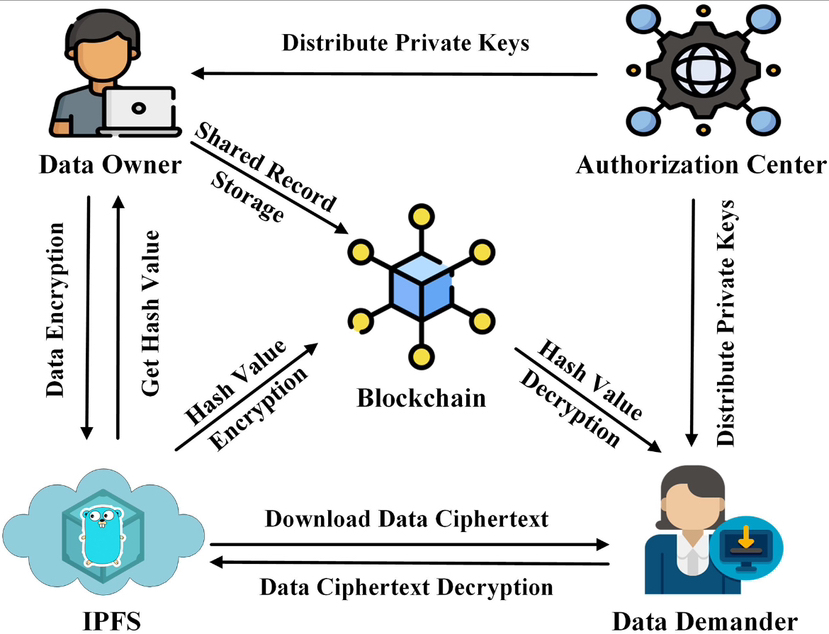
Comparações entre sistemas tradicionais e baseados em blockchain mostram consistentemente melhorias dramáticas. Licenciamento tradicional muitas vezes envolve altos encargos administrativos, intermediários e processos opacos. Alternativas em blockchain reduzem custos, automatizam a execução via contratos inteligentes e oferecem total transparência por meio de livros-razão públicos.
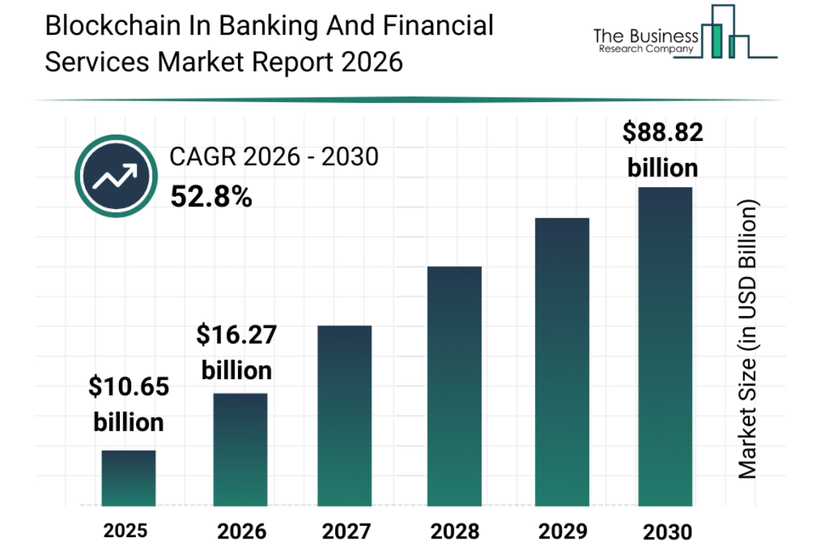
a adoção de blockchain nos serviços governamentais demonstrou reduções nos tempos de processamento em ordens de magnitude nas implementações piloto, alinhando-se com as tendências mais amplas de transformação digital na região.
A visão da Sign se alinha perfeitamente com as ambições do Oriente Médio. Ao se associar a entidades como as de Abu Dhabi e apoiar a infraestrutura de nível soberano, a Sign se posiciona na interseção das estratégias digitais nacionais e das necessidades práticas de negócios. À medida que a região acelera em direção a economias sem dinheiro, ativos tokenizados e serviços públicos eficientes, soluções como a Sign ajudam a conectar sistemas legados a um futuro onde a confiança está embutida no código em vez de papel.
Para as empresas que buscam expansão no Oriente Médio, a mensagem é clara: a era das atrasos de papelada está dando lugar à confiabilidade na cadeia. Plataformas como a Sign não são apenas ferramentas; elas representam uma mudança fundamental em direção a uma participação econômica mais rápida, justa e inclusiva.
Em uma região redefinindo seu papel global por meio da inovação, passar do caos do papel para a confiança em blockchain é mais do que progresso tecnológico; é um imperativo estratégico para o crescimento sustentável.
