
The current crypto landscape feels like an endless loop of déjà vu. We see the same cycles, the same overblown promises, and new branding slapped onto old, tired ideas. Influencers shout about the "next big thing," ignoring the fact that we heard the exact same pitch last month. It’s tiring, not in a dramatic way, but in a dull, persistent way.
And then there’s the reality of massive economic ambition in the Middle East. From Riyadh to Dubai, the region isn't just embracing digital transformation; it's defining it. Yet, a fundamental flaw persists in the current blockchain narrative: the "Glass Room" paradox. We keep pretending that blockchains are transparent by design, as if that's always a good thing. In real life, not everything should be public. You don't run a business, share personal data, or negotiate national-security deals in a transparent glass room, yet that’s basically what most chains ask you to do. Total public exposure is a non-starter for sovereign nations and major institutions.
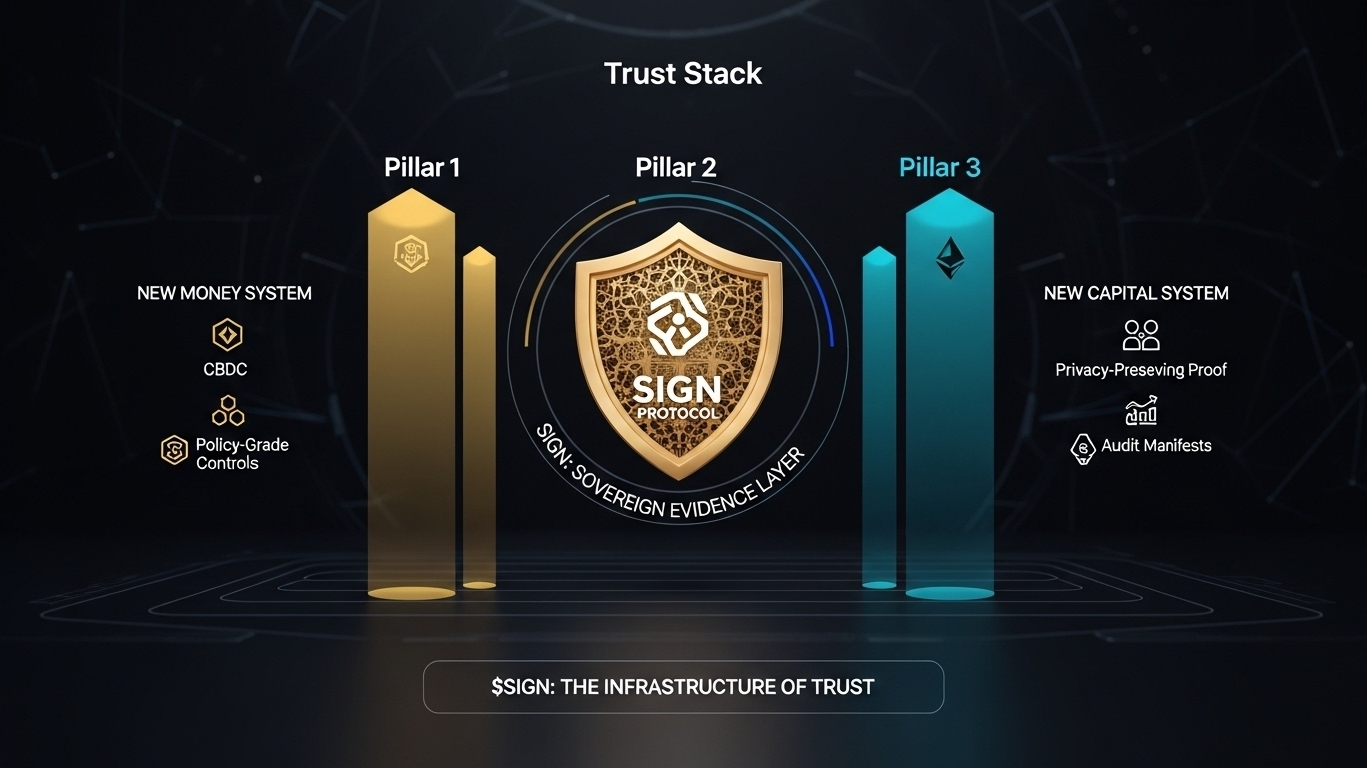
This is where the noise stops and the infrastructure begins. I’ve been watching Sign and the development of the S.I.G.N. (Sovereign Infrastructure for Global Nations) framework. The core idea is brilliantly simple, at least on the surface: Prove something is true... without revealing the actual data.
It’s like settling an argument without showing your entire message history—just enough proof to move forward. In the Middle East, where economic growth is now inseparable from national security and control, this distinction is everything. @SignOfficial isn’t offering just another speculative product; it’s delivering an "evidence layer"—a way to provide immutable, audit-ready proof of a claim (like an identity, compliance, or a payment) without stripping away the privacy that a sovereign nation needs to operate.
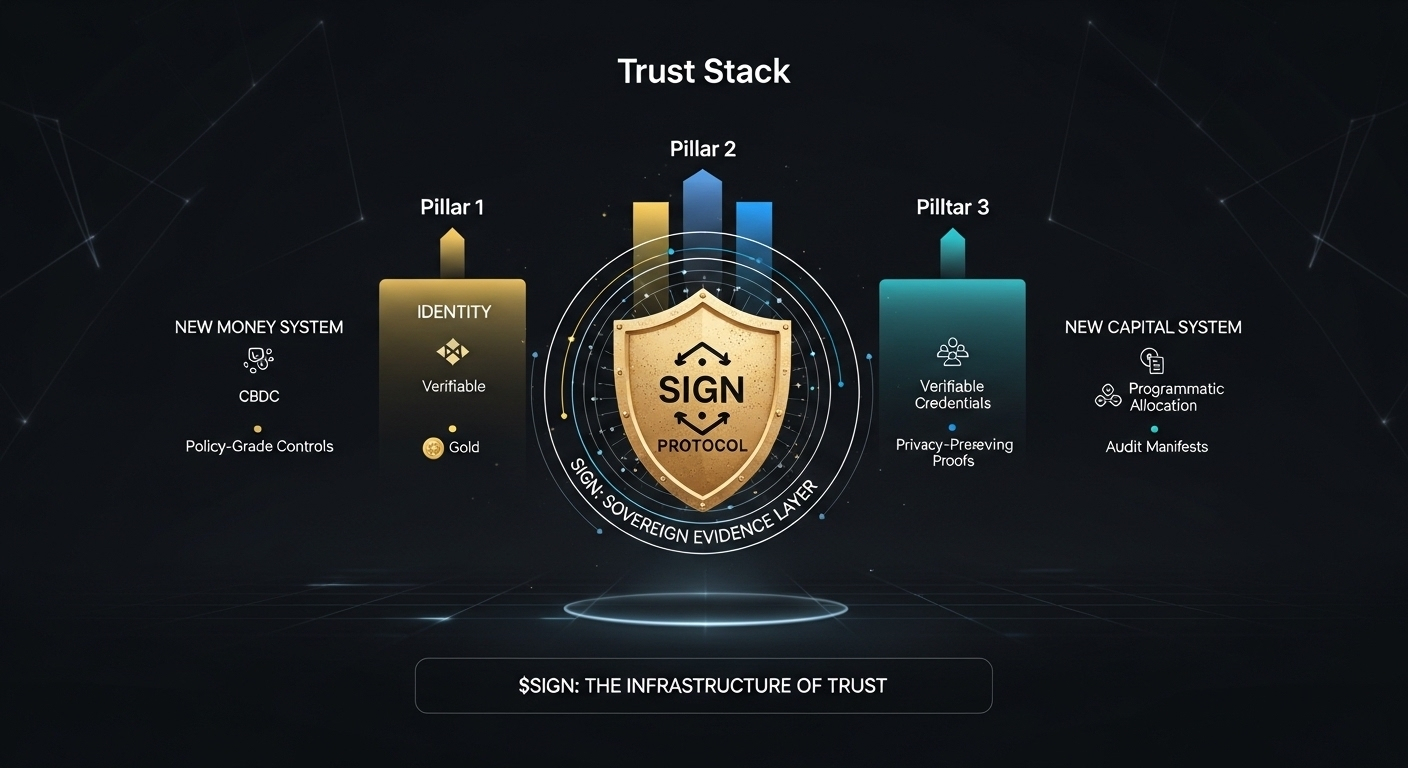
The $SIGN token isn’t trying to be the loudest asset in the room; it’s trying to be the technical substrate for this "verifiable trust." When a country moves billion-dollar grants or manages its national identity on a blockchain, it requires infrastructure that is privacy-by-default, performant under national concurrency, and lawful for audit. The "quiet infrastructure" often sticks around while everything flashy burns out. 🌍