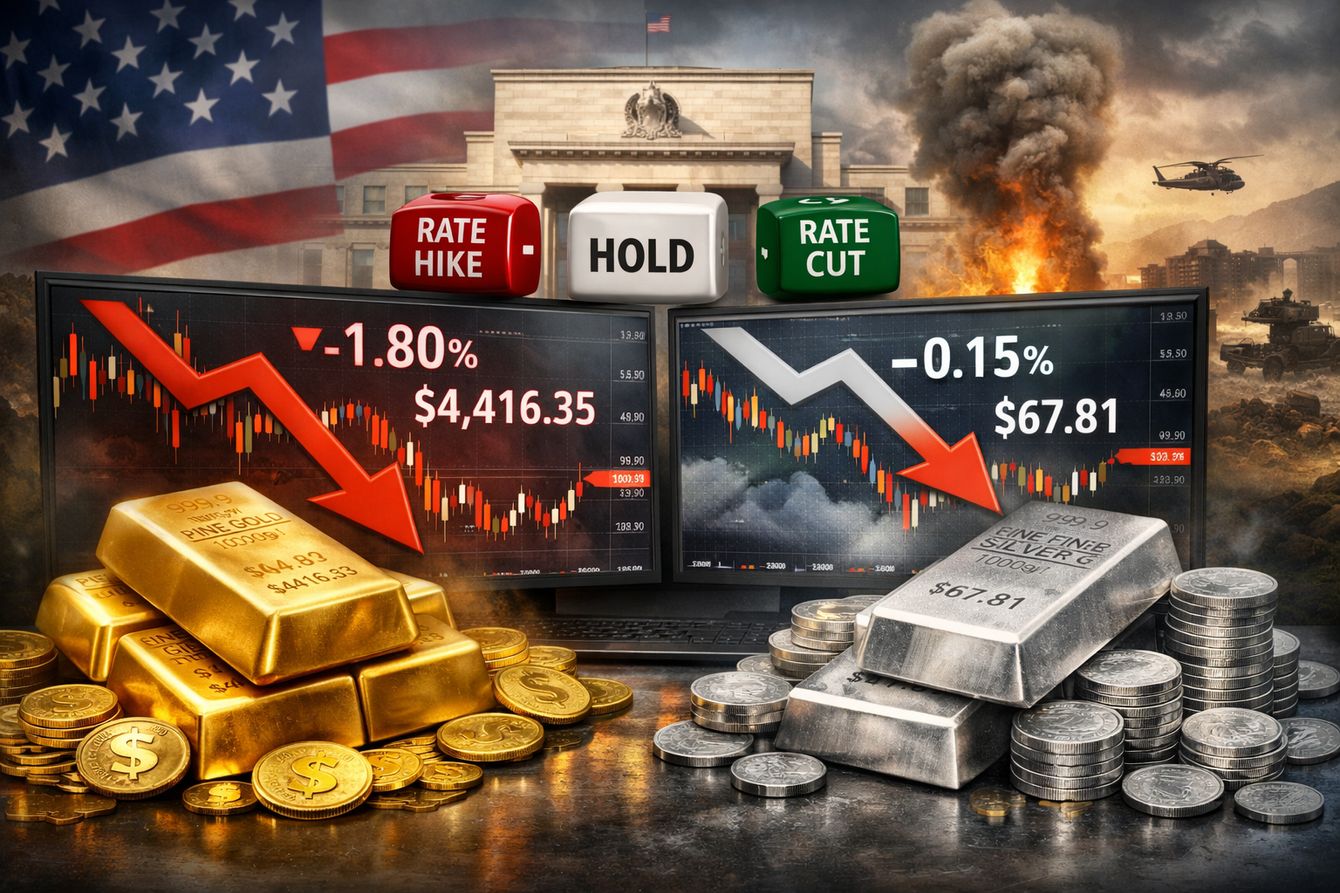
The roller coaster ride for precious metals is far from over. While many investors were hoping for a smooth recovery after last week's dramatic price drops, market experts are sounding the alarm: gold and silver are still facing "much more volatility than usual." The path to price stability is looking rocky, and anyone holding these metals should buckle up for a few more weeks of unpredictable movement.
Why the Market is Still Shaking
The current turbulence isn't just a random dip; it’s a reaction to a perfect storm of global events. Even though some geopolitical tensions have temporarily cooled, the uncertainty surrounding interest rates and the U.S. dollar continues to pull gold in different directions. Analysts point out that when volatility hits these levels, it takes time for the "dust to settle." We are currently in a phase where even a small piece of news can cause a massive price swing in either direction, making it a challenging environment for short-term traders.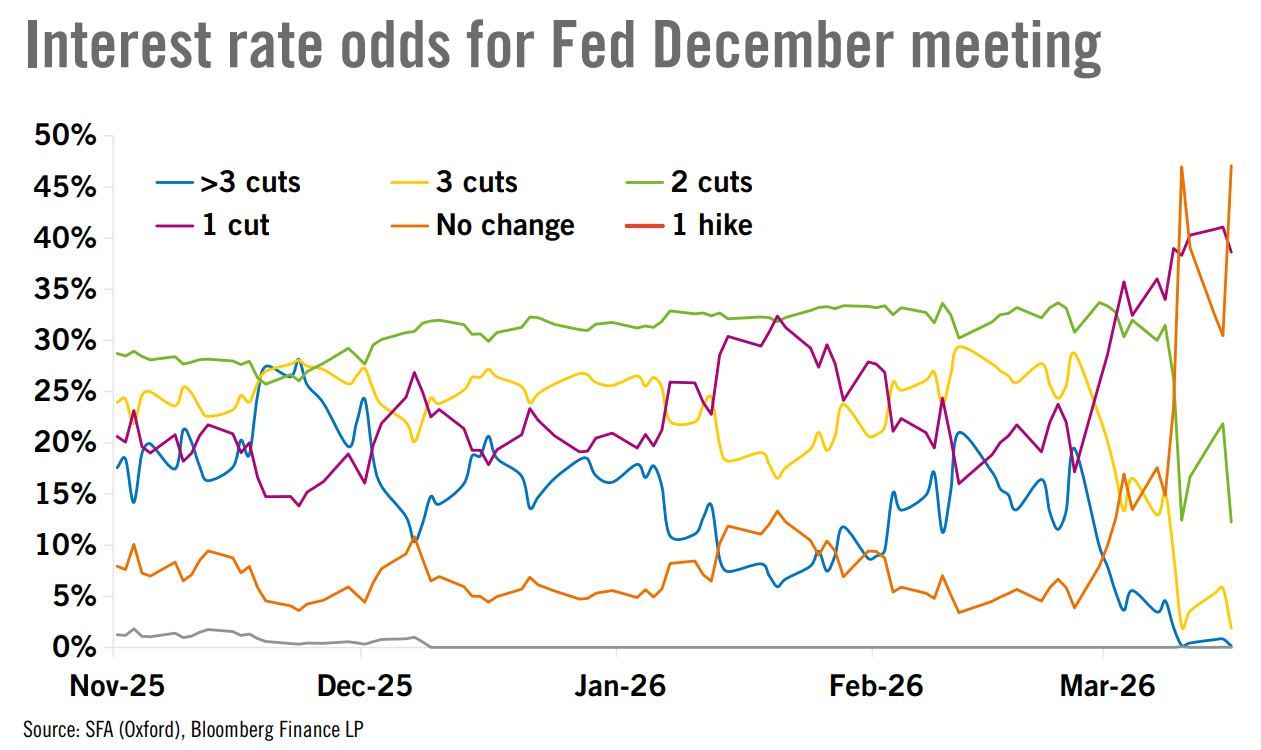
Silver Leading the Volatility Charge
While gold gets most of the headlines, silver is actually experiencing even more intense swings. Because silver has a smaller market and dual roles as both an investment and an industrial metal, it tends to react more violently to economic shifts. Currently, silver is struggling to find a firm floor, and experts suggest that it may overshoot its "fair value" on the downside before buyers step back in. For those looking at silver, the message is clear: be prepared for sudden, sharp changes in your portfolio value.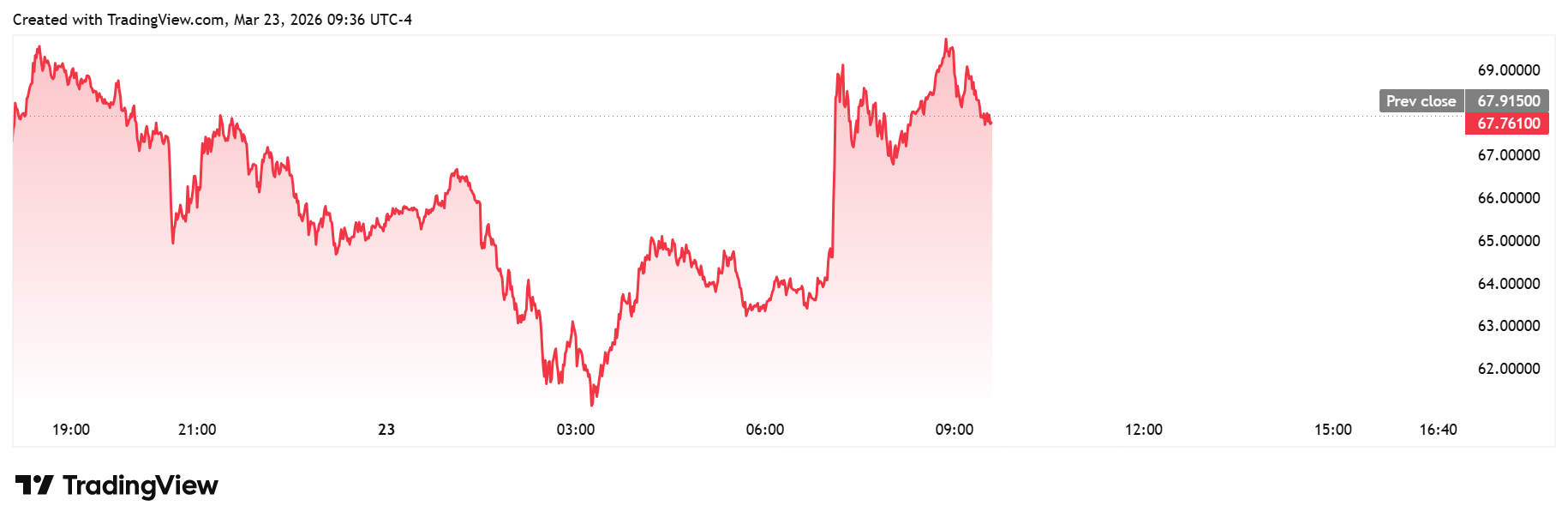
The Search for a New Price Floor
Every major crash eventually leads to a period of "consolidation," where prices move sideways as buyers and sellers find a balance. However, we haven't reached that point yet. Gold is still searching for a solid support level that can withstand the current pressure from rising bond yields. Market veterans are keeping a close watch on the $4,400 to $4,500 range. Until gold can stay above these levels for several consecutive days, the risk of another "flush out" remains high.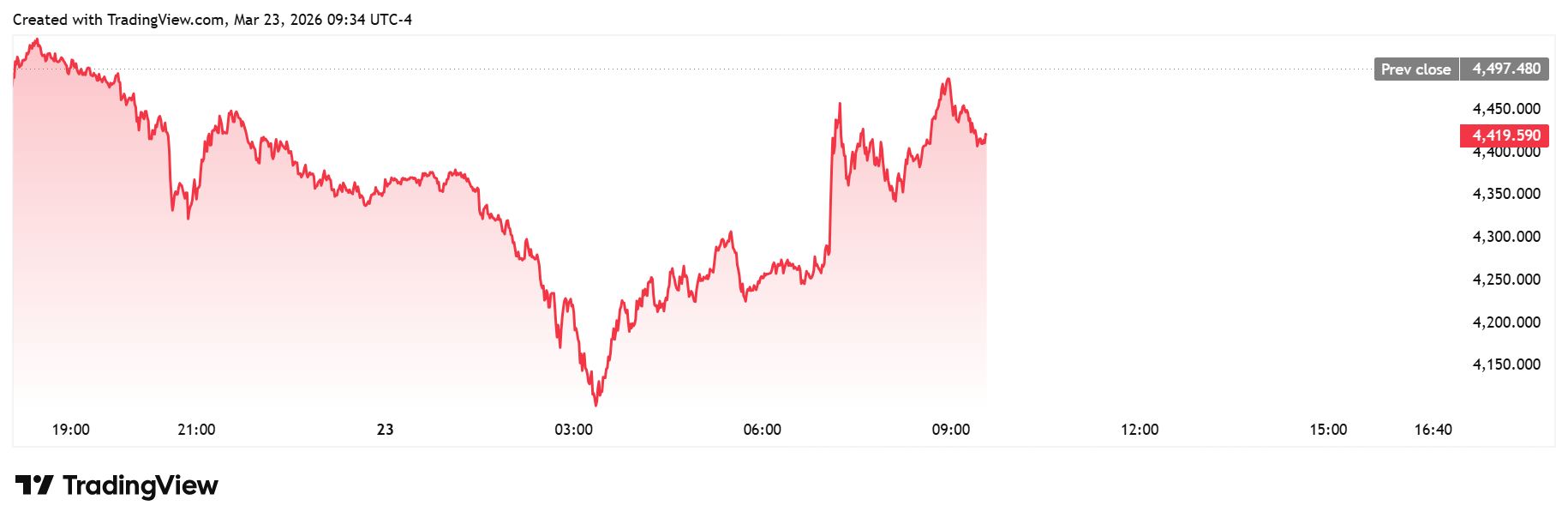
How Investors Should Handle the Noise
In times of extreme volatility, the best strategy is often to zoom out. The fundamentals that drive gold—like long-term inflation and global debt—haven't changed overnight. However, the emotional "fear and greed" cycle is currently in the driver's seat. For retail investors, this means avoiding the urge to panic-sell during deep dips or "FOMO" buy during small bounces. Staying patient and waiting for the volatility index to drop is usually the safest way to navigate these shark-infested waters.
#US5DayHalt #freedomofmoney #CZCallsBitcoinAHardAsset #AsiaStocksPlunge #iOSSecurityUpdate $XRP $DEXE $JST