

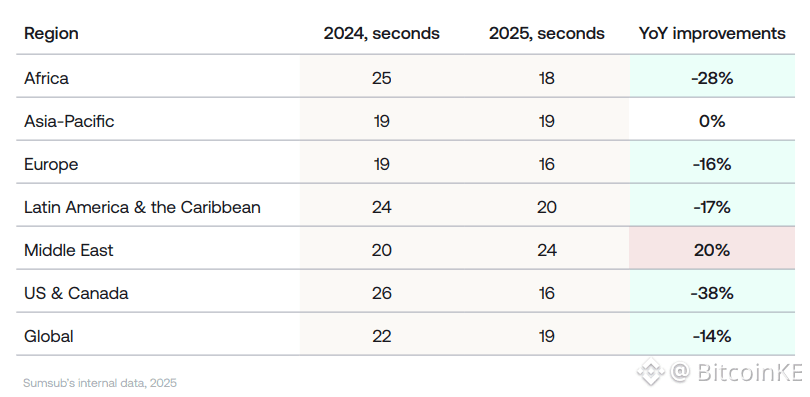
Crypto-related fraud in Africa fell 28% year-on-year in 2025, signaling early gains from stricter regulation and improved compliance systems across the continent, according to The State of the Crypto Industry 2026 Report by SumSub.
The decline follows a spike the previous year, when fraud rates rose to 3.6% in 2024 before easing to 2.6% in 2025, as exchanges and fintech platforms ramped up identity verification and transaction monitoring controls.
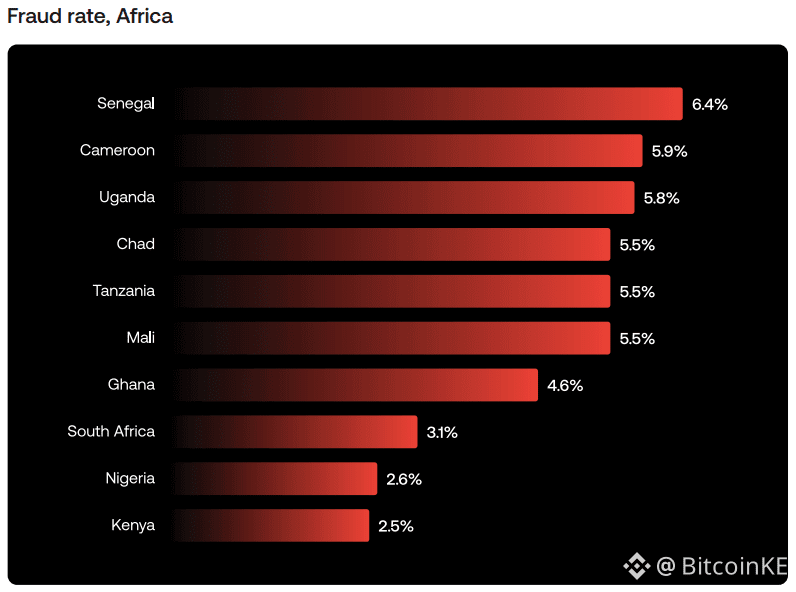
The turnaround comes as African governments accelerate crypto oversight. Countries including Kenya, Nigeria, and South Africa have rolled out or advanced regulatory frameworks for virtual asset service providers (VASPs), pushing firms toward stronger anti-money laundering (AML) and know-your-customer (KYC) standards.
Industry data shows the region is entering what analysts describe as a “regulated maturity” phase, where growth is increasingly tied to compliance readiness rather than user acquisition alone.
At the same time, crypto platforms are investing heavily in onboarding infrastructure. Average verification times in Africa dropped from 25 seconds in 2024 to 18 seconds in 2025, a 28% improvement, reflecting more efficient, mobile-first systems tailored to local users.
Stronger onboarding has played a key role in filtering out fraudulent users earlier in the customer lifecycle. Pass rates for legitimate users have also stabilized at around 91%, suggesting platforms are getting better at distinguishing between real users and bad actors without adding friction.
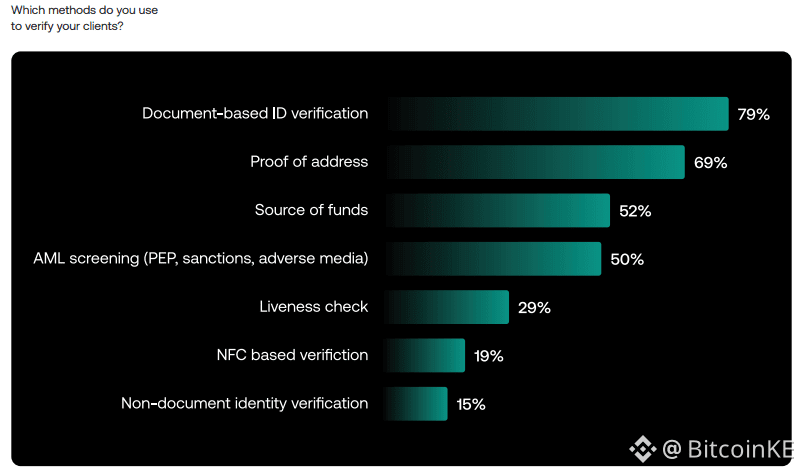
Still, the drop in fraud does not signal reduced threat levels. Globally, fraud has become more automated and systemic, with attackers increasingly using AI, synthetic identities, and coordinated networks rather than simple document forgery.
Africa remains a target for scams and mule account activity, analysts say, even as defenses improve.
More than half of crypto firms now prioritize AI-powered fraud detection, reflecting a broader industry shift toward real-time, lifecycle monitoring rather than one-off identity checks.
Regulatory pressure is also intensifying. The rollout of frameworks like the Travel Rule – which requires platforms to share transaction data – has added operational complexity but is expected to further reduce illicit flows over time.
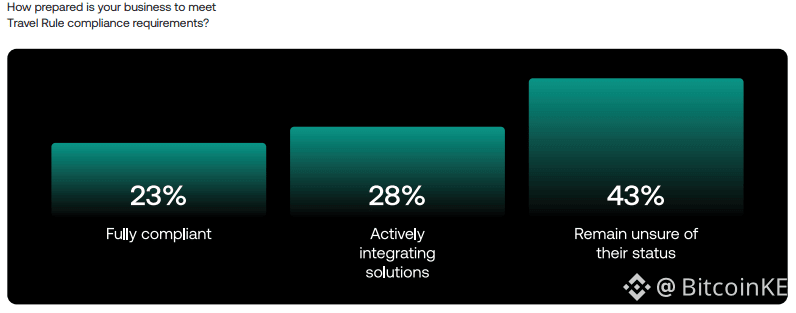
The result is a structural shift: fraud is becoming harder to execute at scale, but more sophisticated when it does occur.
For Africa’s crypto sector, the challenge in 2026 will be maintaining lower fraud rates while scaling adoption without sacrificing user experience in largely mobile-first, low-bandwidth markets.
REPORT | Crypto Among the Top 3 Most Affected Industries by Identity Fraud, Says ‘Fraud in Africa’ Smile ID 2025 Report
Stay tuned to BitKE for updates on crypto fraud in Africa.
Join our WhatsApp channel here.
Follow us on X for the latest posts and updates
Join and interact with our Telegram community
_________________________________________