I’ve been in crypto long enough to spot the difference between hype coins that chase viral memes and projects that actually solve problems so fundamental we’ve stopped noticing them. $SIGN belongs firmly in the second camp. While most tokens scream about moonshots and DeFi yields, this one is busy building the invisible plumbing that lets entire countries—and the people living in them—own their digital futures without handing the keys to Big Tech or shady middlemen.Picture this: You’re a citizen in a developing nation. Your government wants to roll out a digital ID so you can finally access welfare payments, open a bank account, or prove your qualifications without paperwork that gets lost in a monsoon. 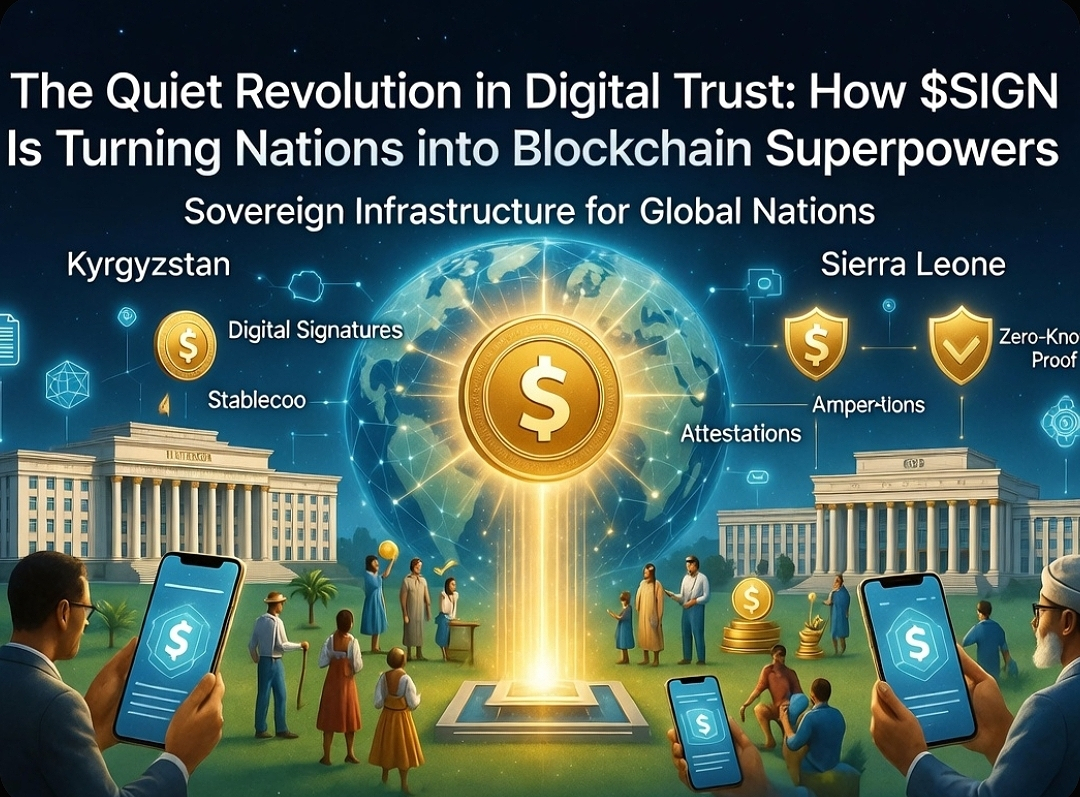 Or maybe they’re issuing a national stablecoin to cut remittance fees that have been bleeding families dry for decades. The tech exists, but the trust layer doesn’t—until now.That’s exactly where Sign Protocol steps in. Launched as the native token of the Sign ecosystem, $SIGN isn’t just another utility coin. It’s the fuel for what they call Sovereign Infrastructure for Global Nations (S.I.G.N.). Think of it as a universal digital notary that works across every major blockchain—Ethereum, Solana, you name it—letting governments, institutions, and everyday users create tamper-proof attestations: “This person is who they say they are.” “This land title is legitimate.” “This stablecoin was issued fairly.” Once it’s on-chain, anyone can verify it instantly, no blind faith required.The beauty is in the simplicity of the execution. Sign Protocol lets you define a “schema” (basically a template for what you’re attesting) and then issue signed proofs that live forever on the blockchain.
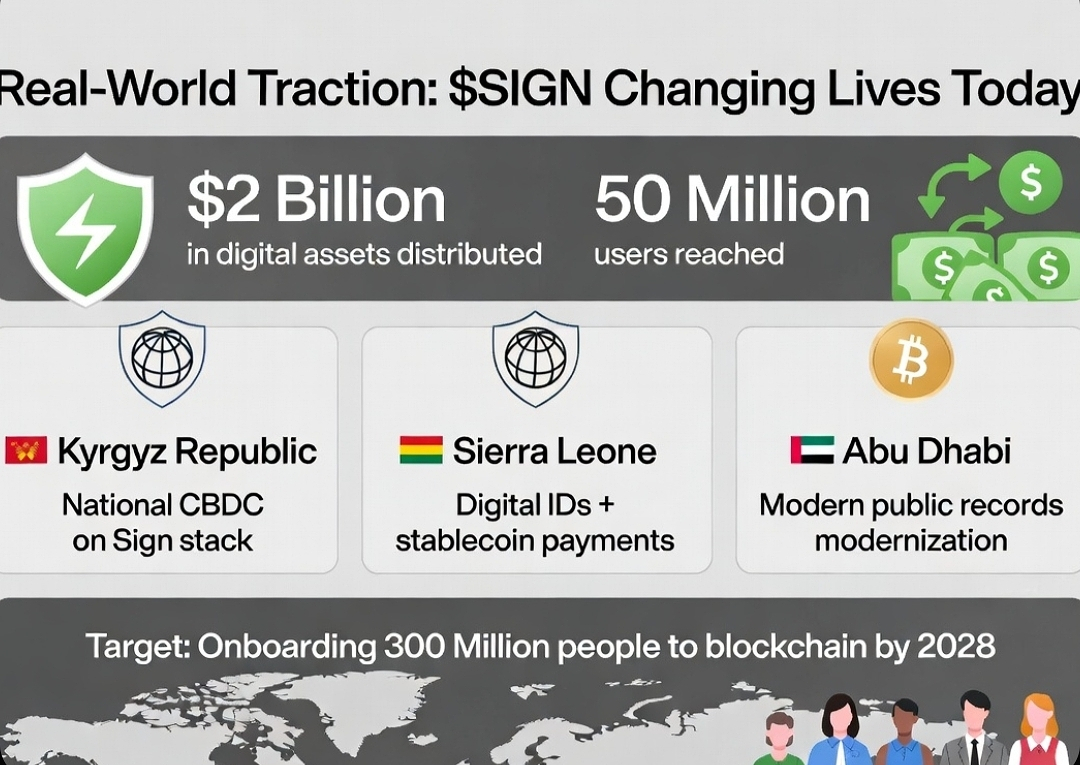
 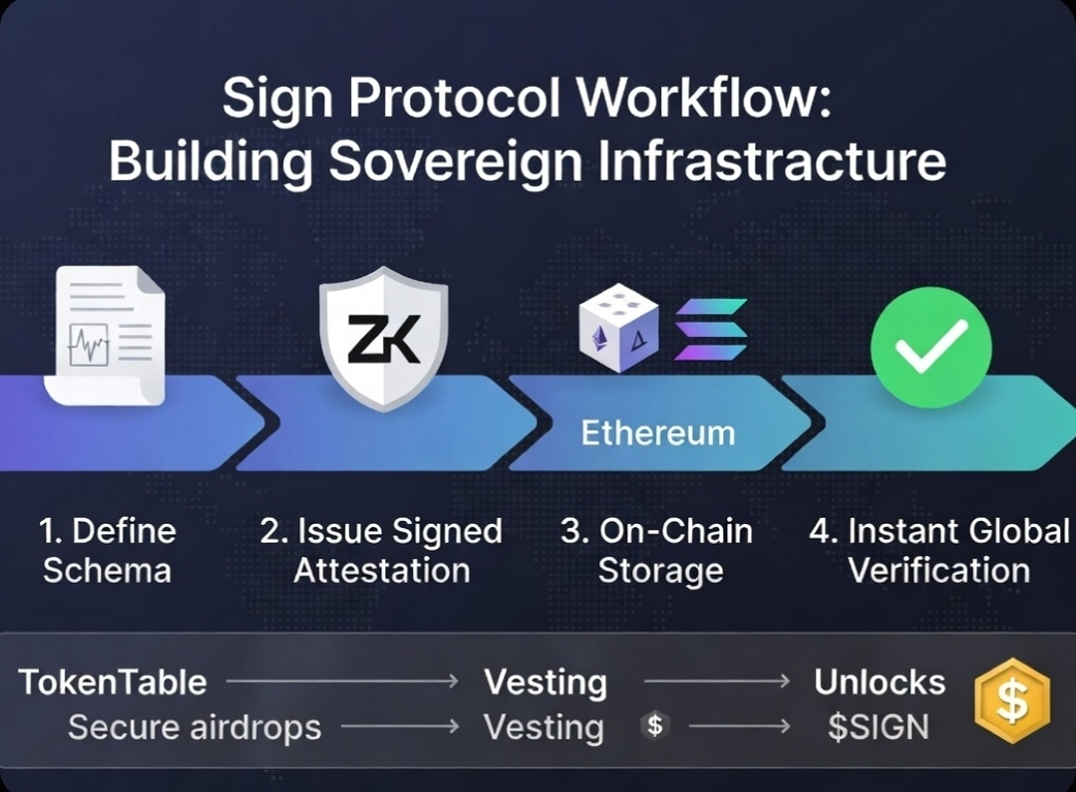 Zero-knowledge proofs keep sensitive data private while still proving it’s real. TokenTable, their other flagship product, turns that trust into action—handling airdrops, vesting schedules, and unlocks with the same ironclad verification. No more rug pulls disguised as “community rewards.” Everything is auditable, programmable, and sovereign.What really sets $SIGN apart is the real-world traction most crypto projects only dream about. We’re talking live partnerships with actual governments: the National Bank of the Kyrgyz Republic building a CBDC on this stack, Sierra Leone rolling out digital IDs and stablecoin payments, and collaborations with places like the Blockchain Centre Abu Dhabi to modernize public records. The team has already helped distribute over $2 billion in digital assets to 50 million users across chains. That’s not pitch-deck fluff—that’s infrastructure quietly powering lives right now.And the token itself? $SIGN powers the whole machine.
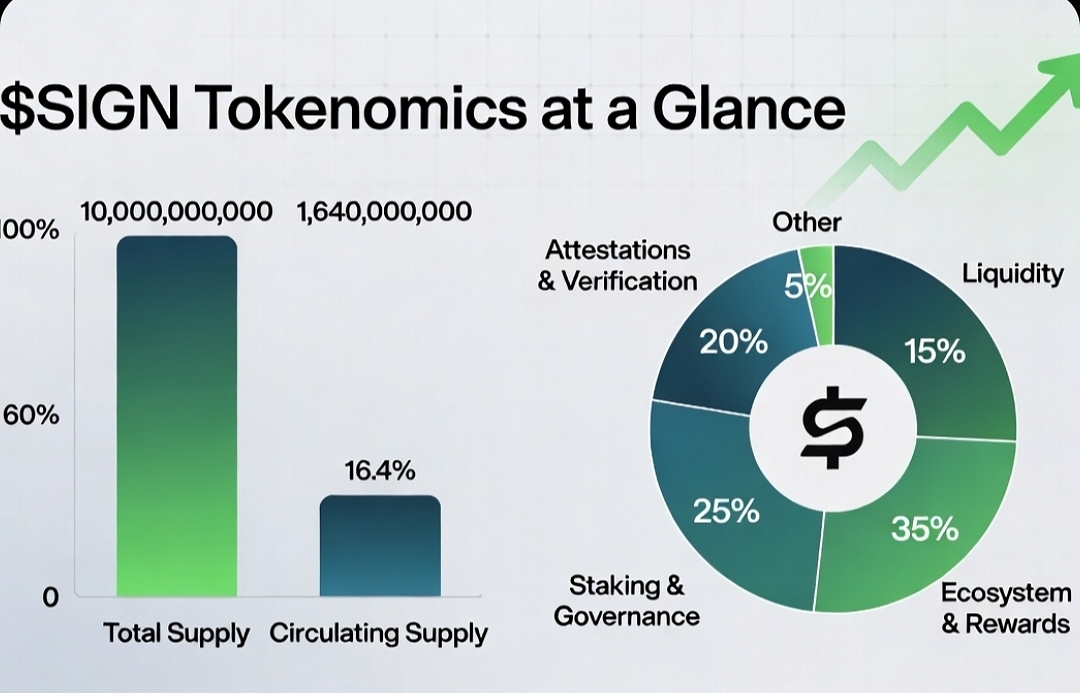
  Pay for attestations? $SIGN. Stake to participate in governance? $SIGN. Reward builders and verifiers who keep the network honest? You guessed it. Total supply caps at 10 billion, with a circulating supply that’s still early-stage at around 1.64 billion. As of this writing it’s trading in the $0.05 range with solid volume, but the real story isn’t the chart—it’s the flywheel. Every new government deployment or enterprise integration increases demand for the token that makes the whole system run.Here’s the part that gets me excited as someone who’s watched too many “revolutionary” projects fizzle: this isn’t about replacing governments. It’s about giving them superpowers while keeping them accountable. Privacy-first design means citizens don’t have to trade their data for convenience. Interoperability means a farmer in rural Africa can tokenize their land deed and access global liquidity without flying to Dubai. And the “Orange Dynasty” community—Sign’s passionate holders—aren’t just memeing; they’re the grassroots force pushing for crypto that actually serves people instead of speculators.
 Of course, nothing in crypto is risk-free. Regulatory hurdles for national blockchain projects are real. Competition from other attestation layers exists. And like any early-stage infrastructure play, adoption takes time. But when your backers include Sequoia, YZi Labs, and even a reported investment from CZ himself in their token distribution tools, you start to feel the momentum is different.I keep coming back to the vision they’re chasing: onboarding 300 million people to blockchain by 2028. Not through hype, but through utility so seamless that a grandmother in Kyrgyzstan or a small business owner in Sierra Leone doesn’t even realize she’s using Web3—she just knows her money moves faster, her identity is finally hers, and the system can’t disappear overnight.That’s not just another coin narrative. That’s the quiet revolution we’ve been waiting for.If you’re tired of projects that promise the moon but deliver nothing but volatility, keep $SIGN on your radar. It might not give you a 100x overnight, but it could help build the rails that carry the entire next wave of global adoption. And in this game, being early to real infrastructure beats chasing the next shiny meme every single time.What do you think ready to sign on for the long haul? The future of trust is being written on-chain, one verifiable attestation at a time.

Artigo
The Quiet Revolution in Digital Trust: How $SIGN Is Turning Nations into Blockchain Superpowers

--
Aviso Legal: inclui opiniões de terceiros. Não se trata de aconselhamento financeiro. Poderá incluir conteúdos patrocinados. Consulta os Termos e Condições.