
I don’t know, maybe I’m overthinking this a bit, but lately I keep coming back to the same thought, that in crypto we spend most of our time talking about things that are visible, like wallets, apps, UI, payments, basically everything the user directly interacts with and what most comparisons are based on.
And yeah, all of that matters, I’m not saying it doesn’t, but the more I look at how real systems actually function, the more it feels like the real problem isn’t sitting on that surface layer at all, it’s somewhere underneath, in that less visible layer where systems are trying to trust each other… and that’s exactly where things start to quietly break.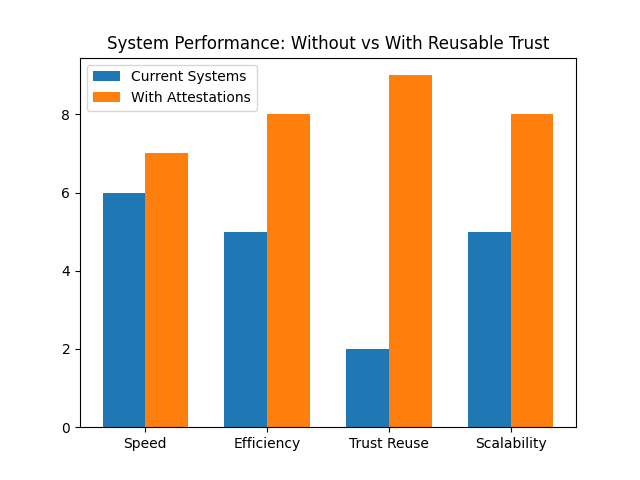
Because sending a transaction is mostly solved now, it works, it’s fast enough, but when it comes to verifying something, trusting it, or relying on data without having to re-check everything again, that’s where friction begins, and it’s not the obvious kind of friction either, it’s the hidden type that slowly makes systems inefficient over time.
I don’t think digital economies fail because there’s a lack of innovation anymore, if anything there’s too much of it, but what they struggle with is coordination, because every system is building its own logic, its own verification methods, its own assumptions about trust, and when the time comes to connect these systems together, nothing really fits in a clean way.
So what ends up happening is repetition, the same identity gets verified again, the same eligibility gets checked again, compliance gets validated again, just in slightly different formats, and that repetition is where a lot of invisible friction lives.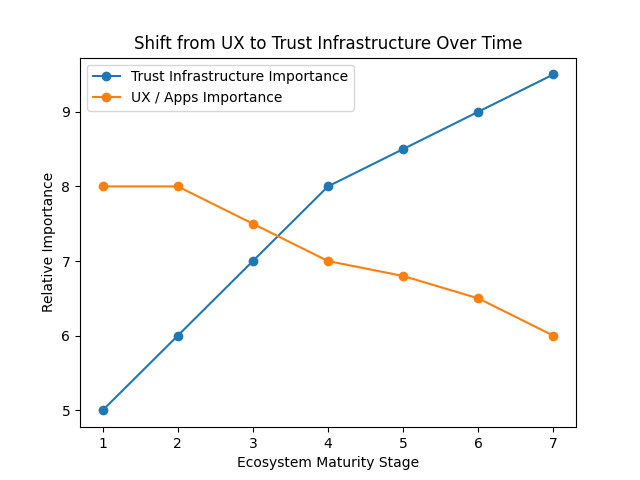
That’s the point where @SignOfficial starts to feel interesting, not in a flashy or hype-driven way, but more like quiet infrastructure that doesn’t look exciting on the surface but could matter a lot if it actually works.
The idea of attestations sounds simple at first, but if you think about it a bit more deeply, it’s really about making trust reusable, meaning systems don’t have to rebuild trust from zero every single time, they can rely on verified claims that already exist, and that’s not a small change, that’s a shift in how systems coordinate with each other.
And when you look at regions like the Middle East, this becomes even more relevant, because this isn’t just about people using new apps, this is about entire systems being redesigned, governments are digitizing identity, funding is being distributed through structured programs, cross-border activity is increasing, and all of this is scaling at the same time.
When multiple systems grow together like that, trust stops being optional and starts becoming a bottleneck, because every step requires verification, and that repeated verification slows everything down.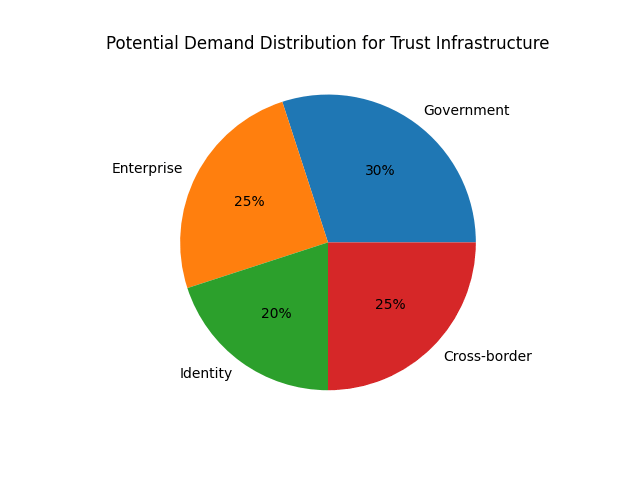
If you take a simple example, like a startup in the Gulf applying for government-backed funding, it has to go through identity verification, then eligibility checks, then milestone tracking, then fund distribution, and then compliance reporting, and while this looks straightforward on paper, in reality it involves multiple disconnected systems and repeated validation at every stage.
Now if each of those steps could exist as a verifiable attestation that isn’t locked into one system but can move across systems, then the process starts to feel different, because trust doesn’t reset every time, it carries forward.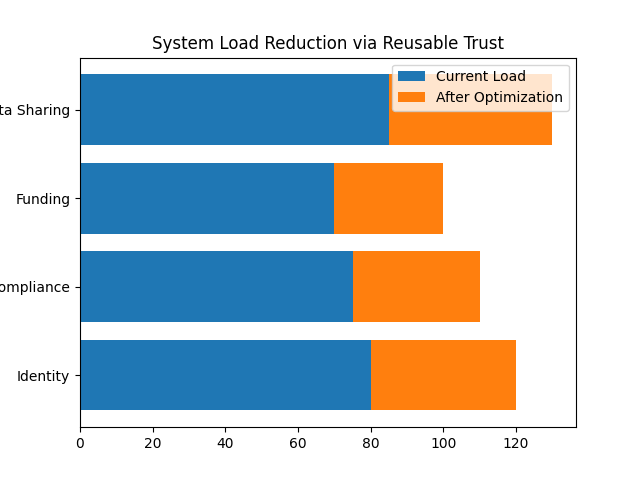
Looking at it this way, $SIGN starts to stand out a bit, not because of short-term hype or activity spikes, but because its value depends on whether it becomes part of real workflows, and that’s a much harder thing to achieve.
There are also real challenges here, adoption is slow when institutions are involved, integration is never simple, and there’s strong competition not just from other Web3 projects but from traditional systems that already handle identity and compliance at scale, so this isn’t an easy path at all.
Still, it’s hard to ignore the fact that most of the market is focused on visible layers, while the invisible trust layer is still fragmented, and that’s where a lot of long-term value could actually be built.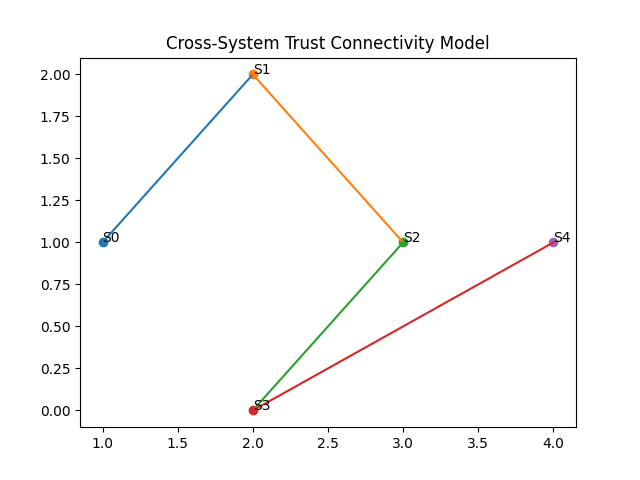
So when I look at SignOfficial, it doesn’t really feel like a hype-driven play to me, it feels more like a positioning move for a future where systems don’t just exist independently but can actually rely on each other without constantly rebuilding trust from scratch.
And if that kind of environment starts to scale, especially in regions pushing aggressive digital transformation, then #SignDigitalSovereignInfra stops being just a narrative and starts becoming something closer to a requirement.