
@SignOfficial #SignDigitalSovereignInfra $SIGN
I’ve been going back and forth on TokenTable’s conditional logic section for the past few days, and one thing keeps standing out to me
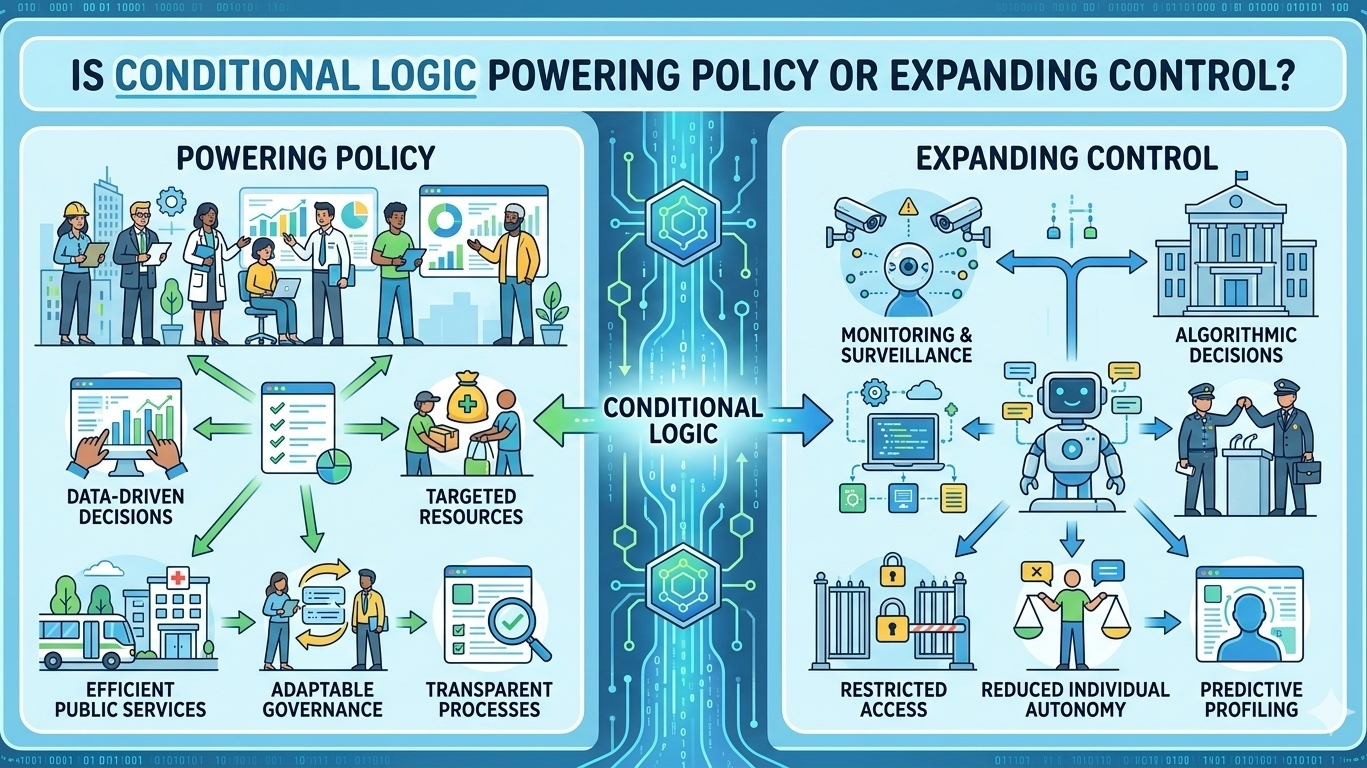
The features themselves make sense. You can build vesting for long-term support, release funds in stages, limit spending to specific categories, or even apply region-based rules. For public programs, that kind of control can be genuinely useful.
But the bigger question is not whether the system can do it. It is who gets to decide when it should be used.
The same logic that helps distribute benefits fairly can also be used to freeze funds, restrict access, or control where value can move. Technically, it is the same mechanism. The difference is in the intent behind it.
What makes the design interesting is transparency. Every rule that triggers is recorded on-chain, so these actions are visible and auditable. That matters.
Still, visibility is not the same as restraint.
A system can leave a perfect record and still leave too much room for overreach. And that is where the real debate begins for me.
Are programmable constraints a smarter way to run public programs, or do they turn money itself into something that can be controlled too easily?