
@SignOfficial #SignDigitalSovereignInfra $SIGN
In crypto, most people talk about speed, scalability, and liquidity. But the part that quietly decides whether any system actually works is something far more basic: trust.
That is where SIGN becomes interesting.
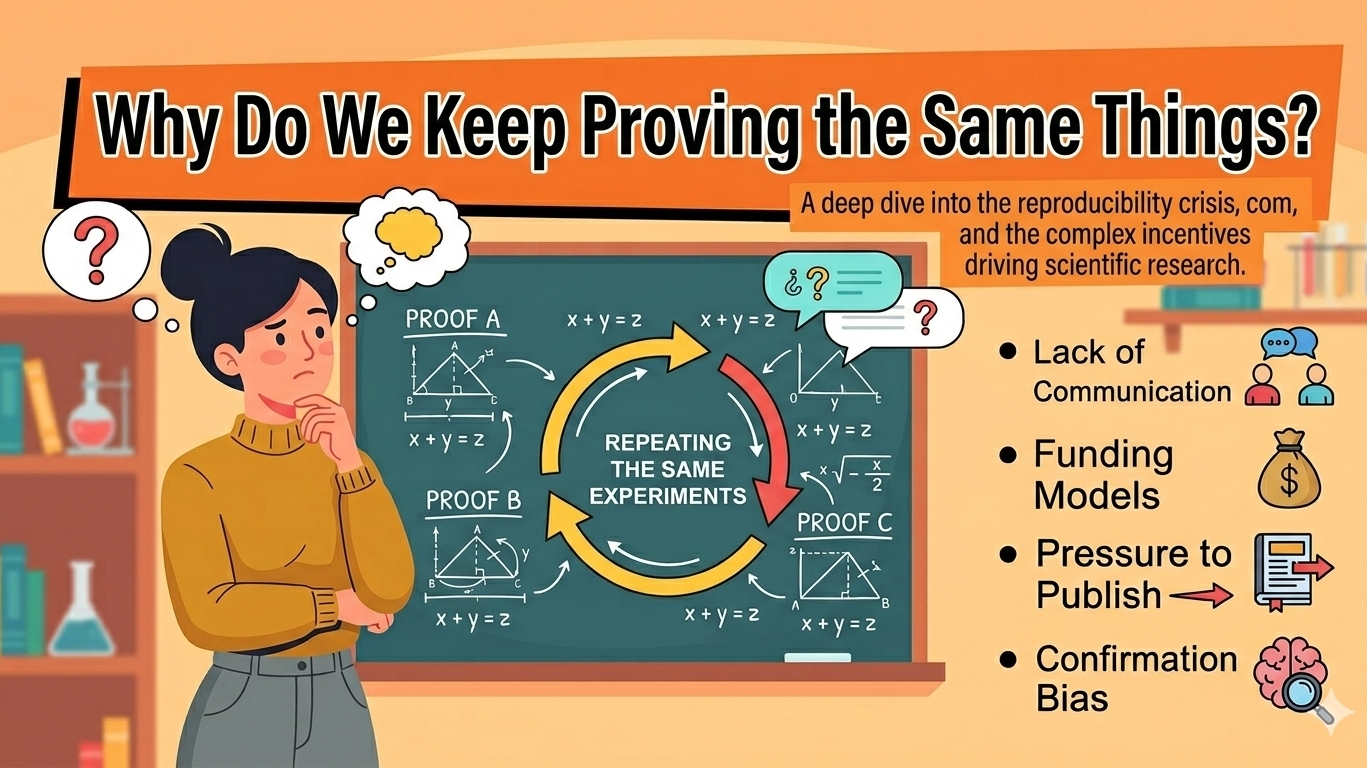
At first glance, it can feel like just another infrastructure project with technical language and big ambitions. But the deeper idea behind it is simple and practical. Instead of making people prove the same thing again and again, SIGN focuses on making proof portable. Once something has been verified, that verification should not have to restart every time the user moves into a new process, platform, or network.
That sounds small. It is not.
In the real world, trust is expensive. Every repeated check adds time, cost, and friction. A user verifies identity again. A company rechecks credentials again. A system asks for the same confirmation again. And somewhere in that repetition, efficiency gets lost. SIGN is trying to reduce that waste by turning verification into something reusable.
That is the part that stands out to me.
Because the real breakthrough is not only about proving something once. It is about creating a structure where proof can travel without losing meaning. That changes how systems can interact. It can make onboarding smoother, credential checks cleaner, and distribution logic more reliable. Instead of scattering trust across dozens of disconnected steps, it gives it a form that can move with the user.
I also think this matters because modern digital systems are full of hidden friction. Whether it is access, eligibility, compliance, or allocation, there is always a condition attached. The problem is not that conditions exist. The problem is that the same conditions are often rebuilt from scratch in every new workflow. That creates delay, confusion, and unnecessary overhead.
SIGN feels like an attempt to organize that mess.
Another thing I find important is the balance between verification and privacy. In a world where everyone wants proof, nobody wants oversharing. So any serious trust layer has to be selective. It has to confirm what matters without exposing everything else. That balance is difficult, but it is also where real utility begins.
What makes SIGN worth watching is that it is not trying to shout the loudest. It feels more like infrastructure that wants to disappear into the background and simply make systems work better. That is usually how the stronger ideas show up. Not as hype, but as utility.
And maybe that is the real story here.
The future may not belong to the systems that ask for the most proof. It may belong to the ones that make proof easier to carry.
SIGN is trying to move trust from something fragile and repetitive into something reusable and structured. If that idea continues to mature, it could become one of those changes that seems obvious only after it is already everywhere.