

A Edição #302 chega em uma semana onde o foco muda de brainstorming para o modo de execução para Tezos.
Tez/Dev deu uma visão clara de onde as coisas estão. Os desenvolvedores estão trabalhando com infraestrutura ao vivo, produtos estão sendo projetados em torno de uma execução mais rápida, e novos sistemas estão começando a se conectar entre as camadas. Esse impulso continua, e esta semana começa a mostrar como isso é aplicado.
Nesta semana, os Intents do Tezos apontam para uma maneira diferente de se mover entre as cadeias, onde os usuários definem o que desejam e deixam o sistema cuidar da execução. A Metals continua a progredir, entrando em conversas que vão além do ecossistema e alcançam indústrias do mundo real.
Vamos falar sobre tudo isso e mais na edição desta semana de The Baking Sheet.
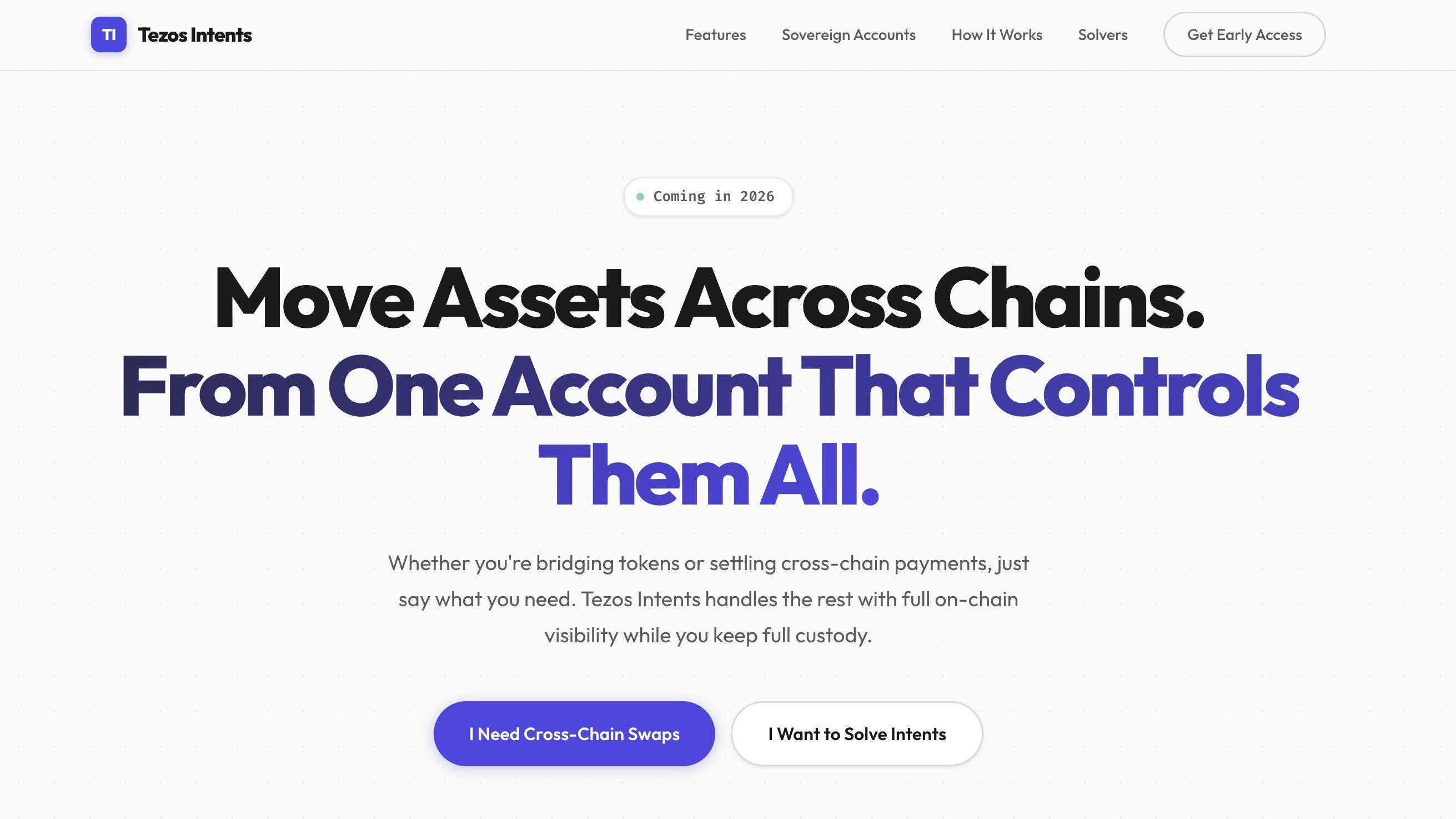 Intenções Tezos: Uma Forma Diferente de Mover Entre Cadeias
Saindo das últimas semanas, onde muito foco foi dado à infraestrutura e ao que ela possibilita, este é um dos primeiros exemplos de como esse pensamento está se transformando em uma experiência de produto.
As Intenções Tezos estão programadas para ser lançadas em algum momento deste ano, e introduzem uma nova maneira de mover ativos entre cadeias a partir de uma única conta, sem entregar a custódia ou lidar com a fricção usual que vem com a ponte.
Em sua essência, a ideia é simples. Você descreve o que deseja que aconteça, e o sistema cuida de como isso é feito.
A partir de uma conta Etherlink, os usuários poderão iniciar trocas entre cadeias, definir suas condições e deixar que solucionadores concorram para atender a esse pedido. Todo o processo acontece com total visibilidade na cadeia, enquanto os fundos permanecem sob controle do usuário durante todo o tempo.
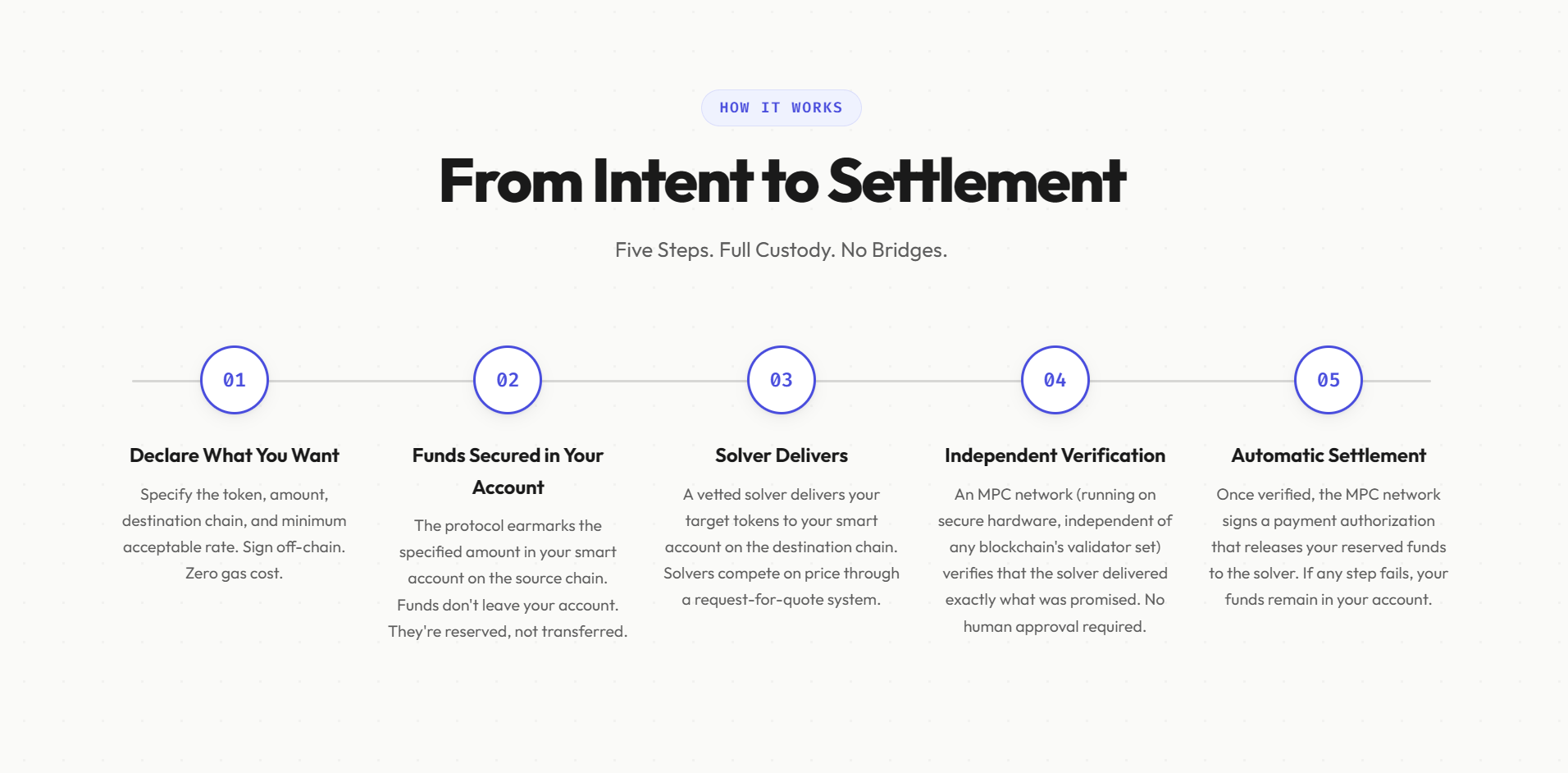
O que se destaca aqui é como o fluxo muda em comparação com pontes tradicionais.
• Uma conta gerencia ativos em várias cadeias • Nenhum gás necessário para declarar uma intenção • Solucionadores executam negociações através de um sistema baseado em RFQ • Fundos permanecem em uma conta inteligente, garantidos até que as condições sejam atendidas
Em vez de mover ativos para contratos de ponte ou gerenciar carteiras entre redes, tudo é coordenado a partir de um único ponto de controle.
Sob o capô, uma rede MPC verifica se o solucionador entregou o resultado esperado antes que qualquer liquidação seja finalizada. Isso elimina a necessidade de confiança manual enquanto mantém o processo transparente e aplicável na cadeia.
Há também uma mudança na forma como as contas são estruturadas. Em vez de gerar endereços simples em cada cadeia, as Intenções Tezos implanta contas inteligentes que podem impor regras, aprovações e restrições em diferentes ambientes. Isso abre mais controle sobre como os ativos se movem e como as transações são autorizadas.
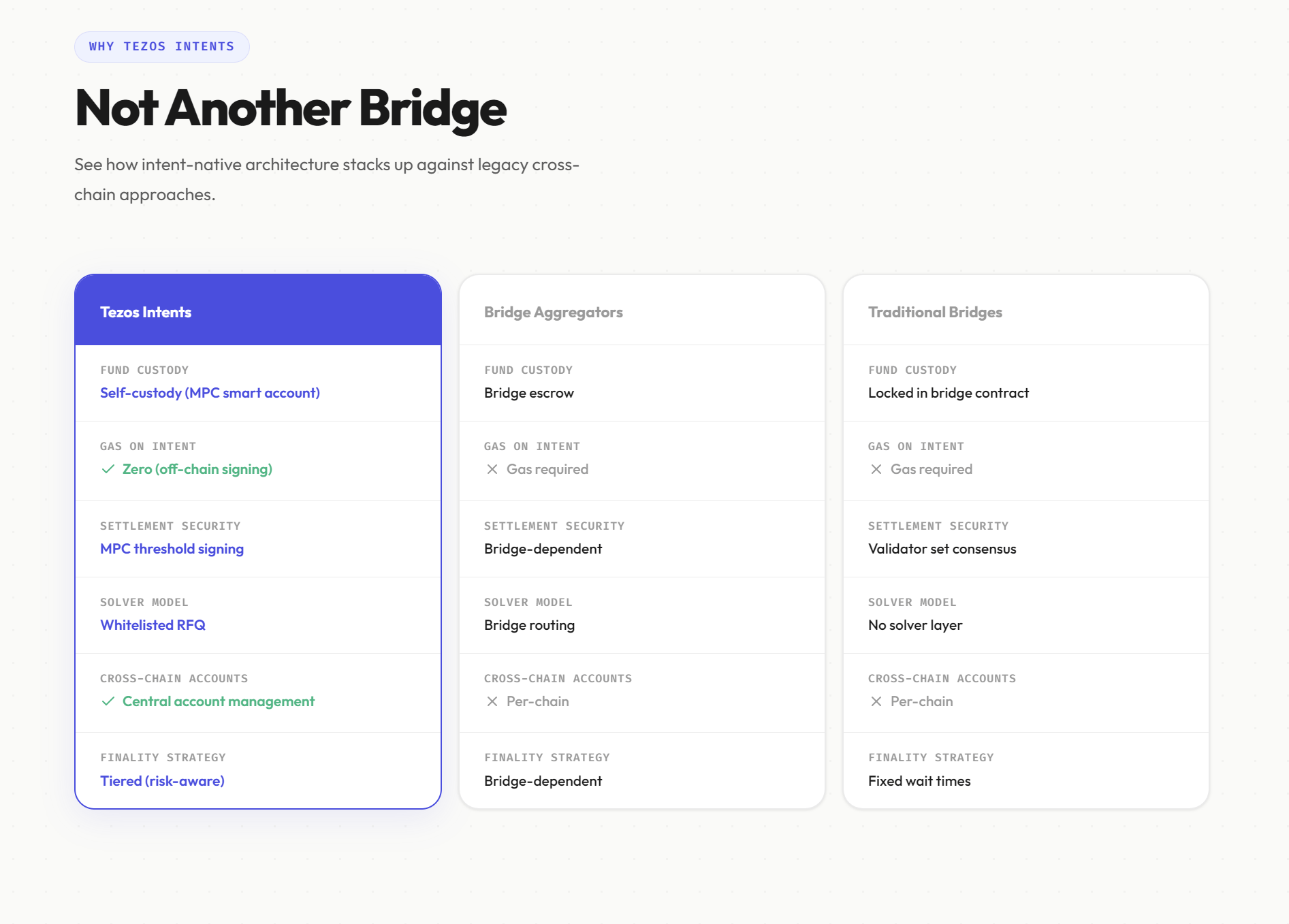
Juntas, isso representa uma direção mais ampla que tem se desenvolvido em todo o ecossistema Tezos. A interação entre cadeias está se tornando uma parte central de como as aplicações são projetadas, e o foco está se movendo para tornar essa experiência parecer consistente e controlada do lado do usuário.
Se você está procurando acesso antecipado ou participar como solucionador, você pode se inscrever aqui.
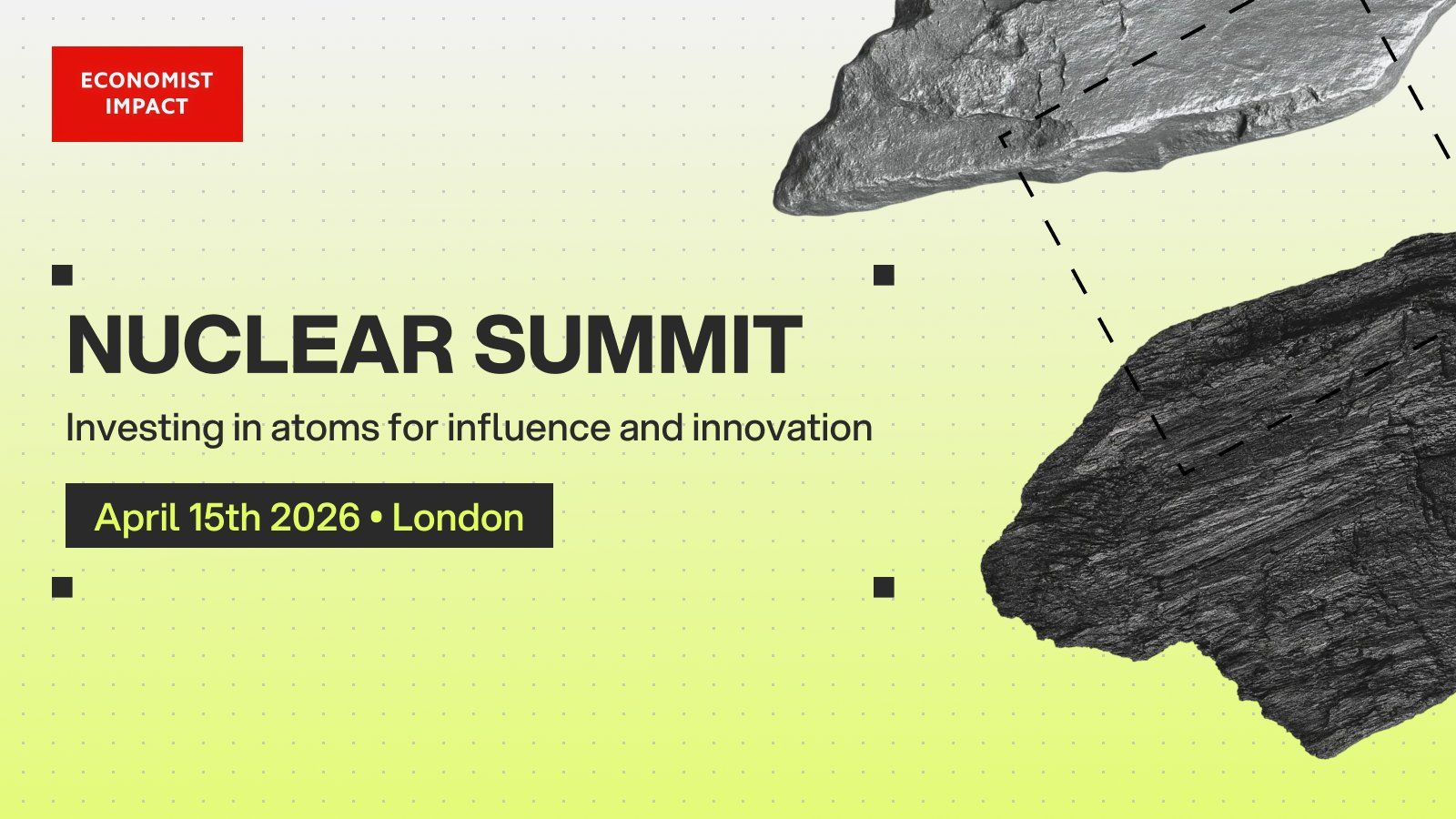 Metals.io Rumo à Cúpula Nuclear do The Economist
No Tez/Dev, o Metals.io foi apresentado como uma expansão de ativos do mundo real se tornando acessíveis no Tezos.
Esta semana, essa direção já está se estendendo além do próprio ecossistema Tezos.
A equipe por trás do Metals.io estará exibindo na Cúpula Nuclear do The Economist no dia 15 de abril em Londres, trazendo a conversa para uma sala focada no futuro da energia e no fornecimento global.
A cúpula reúne líderes da indústria e formuladores de políticas para explorar o papel da energia nuclear à medida que a demanda continua a aumentar, e o Metals fará parte dessa discussão através da lente da tokenização.
No palco, Arthur Breitman e Ben Elvidge falarão sobre como o urânio tokenizado e outros recursos estratégicos podem se beneficiar de uma infraestrutura baseada em blockchain. O foco é prático. Como o acesso muda, como os mercados operam e o que se torna possível quando esses ativos se movem para trilhos mais transparentes e programáveis.
Se você está acompanhando, pode aprender mais sobre o evento aqui.
 O Ecossistema Tezos Expande a Presença Global com Novas Entidades Regionais
Junto com tudo o que está acontecendo no lado do produto e do protocolo, também há uma mudança estrutural ocorrendo na forma como o ecossistema cresce globalmente.
Esta semana, novas entidades foram introduzidas para expandir a presença do Tezos em duas regiões-chave. Tezos Oriente Médio, com sede no Centro Financeiro Internacional de Dubai, e Tezos Sudeste Asiático, com sede em Cingapura, estão sendo estabelecidos para apoiar construtores, incubar projetos e aprofundar o engajamento do ecossistema no local.
Essas regiões se tornaram centros importantes para áreas em que o Tezos continua a focar, incluindo jogos, mercados de capitais, DeFi e arte. A abordagem aqui é prática. Construir localmente, agir rapidamente e desenvolver expertise dentro de cada região em vez de gerenciar tudo a partir de um único hub.
Para ajudar a coordenar essa estrutura, a Associação de Patronato Tezos (TPA) também foi introduzida. Com sede na Suíça, ela reúne organizações de todo o ecossistema para manter a alinhamento enquanto permite que cada entidade opere de forma independente.
O que se destaca é como isso reflete a natureza mais ampla do Tezos.
O ecossistema sempre foi distribuído, com diferentes grupos contribuindo em regiões e domínios. Esta atualização se baseia nisso, criando uma estrutura mais definida para o crescimento regional, enquanto ainda mantém a flexibilidade que permite que as equipes respondam a oportunidades à medida que surgem.
Arthur Breitman descreveu isso em termos simples: “Tezos é um ecossistema global, e sua estrutura institucional deve refletir essa realidade. Um modelo mais distribuído dá a diferentes organizações a autonomia para agir rapidamente, desenvolver expertise em domínios e responder a oportunidades à medida que surgem. Esse tipo de subsidiariedade torna o esforço mais dinâmico, mais adaptável e melhor posicionado para o crescimento a longo prazo do ecossistema e adoção mais ampla.”
Para equipes no Oriente Médio e no Sudeste Asiático, isso significa algo concreto. Apoio local, engajamento direto e um caminho mais claro para construir dentro do ecossistema.
E para o Tezos como um todo, isso marca mais um passo em direção a uma rede mais globalmente coordenada, com múltiplos hubs contribuindo para a mesma direção a longo prazo.
Esta Semana no Ecossistema Tezos
TezDev 2026: Um Recap Pessoal
Sabemos que muitos na comunidade ainda estão animados com a semana passada a partir do Tez/Dev e uma vez que o evento termina e todos voltam para casa, as reflexões começam a surgir. Esta semana queremos compartilhar um recap pessoal, um tipo que captura como realmente se sentiu estar lá.
Um dos relatos mais fortes desta semana veio da Cryptonio no Tezos Spotlight, e alinha-se de perto com o que muitas pessoas experienciaram no local.
Ele descreve uma mudança de ideias sendo discutidas para sistemas sendo trabalhados ativamente. Conversas sobre composabilidade, intenções e confirmações instantâneas estavam fundamentadas em um progresso real, com equipes construindo em cima da infraestrutura que já está em vigor.
Há também uma observação clara sobre a direção. O foco está se movendo em direção a produtos que as pessoas realmente usam, com receita e engajamento real começando a agir como sinais do que está ganhando tração. Essa mudança apareceu em várias sessões, e reflete para onde o ecossistema está se dirigindo a seguir.
Sua perspectiva sobre o Metals adiciona outra camada a isso. O que começou com urânio agora se expandiu para um conjunto mais amplo de ativos, abrindo o acesso a mercados que estavam anteriormente fora de alcance para a maioria dos participantes.
E além das palestras, ele destaca algo que é fácil de esquecer. A sensação do evento em si. Um espaço que permaneceu ativo ao longo do dia, com pessoas se movendo entre estandes, testando aplicações e se envolvendo diretamente com o que as equipes estavam construindo.
Se você deseja uma visão mais pessoal da semana, vale a pena ler o resumo completo aqui.
Eventos de Primavera
 Soirée Tezos: Semana Blockchain de Paris
À medida que o foco se desloca de Cannes para Paris, o próximo encontro da comunidade já está logo ali.
A Soirée Tezos está programada para ocorrer no dia 14 de abril, logo antes da Semana Blockchain de Paris, oferecendo um ambiente mais íntimo para se conectar antes que a conferência maior comece.
Hospedado no escritório da Nomadic Labs em Bastille, a noite é projetada em torno da conversa em vez da programação. Sem painéis, sem apresentações, apenas tempo para conhecer as pessoas que estão construindo, operando e contribuindo em todo o ecossistema.
Aqui está o que esperar:
• Uma noite de networking com construtores, fundadores e contribuintes do ecossistema • Bebidas e comida em um ambiente descontraído • Espaço para conversas reais e troca de ideias
As vagas são limitadas, então vale a pena garantir um lugar cedo se você planeja estar em Paris.
 🔴 Agora Transmitindo: Michael da Bitnomial
Esta semana no TezTalks Live, o anfitrião Stu dá uma olhada mais de perto em um marco importante para o Tezos: o lançamento dos primeiros futuros XTZ regulados nos EUA na Bitnomial.
Pela primeira vez, tanto traders institucionais quanto de varejo podem acessar Tezos através de um mercado de futuros regulado pela CFTC, abrindo a porta para descoberta de preços estruturada, hedge e participação mais ampla de players financeiros tradicionais.
Agora transmitindo no YouTube.
Powered by beehiiv