

The rapid evolution of blockchain gaming has introduced a new generation of experiences that blend entertainment with digital ownership, and Pixels (PIXEL) stands as a notable example of this shift. Built on the Ronin Network, Pixels is a social, casual web3 game that combines the familiarity of open-world farming gameplay with the technological advantages of decentralized systems. Its design reflects a broader trend in gaming where accessibility, community interaction, and player-driven economies take center stage.

At its core, Pixels offers a relaxing yet engaging environment where players can farm crops, gather resources, and explore a shared digital world. The mechanics are intentionally simple and intuitive, making the game approachable for both traditional gamers and newcomers to blockchain technology. Unlike many complex web3 projects that require deep technical understanding, Pixels lowers the barrier to entry by focusing on gameplay first, with blockchain elements integrated seamlessly in the background.
The game’s open-world structure encourages exploration and interaction. Players are not confined to isolated experiences; instead, they participate in a persistent world where collaboration and social engagement are essential. Whether trading resources, visiting other players’ lands, or participating in shared events, the social layer plays a critical role in shaping the overall experience. This emphasis on community distinguishes Pixels from many earlier blockchain games that often prioritized speculation over genuine interaction.
A key component of Pixels is its integration with the Ronin Network, a blockchain infrastructure known for its efficiency and low transaction costs. This foundation allows the game to support frequent in-game transactions without the friction typically associated with blockchain systems. As a result, players can focus on gameplay rather than worrying about fees or technical delays, which has historically been a barrier to wider adoption in web3 gaming.
The PIXEL token functions as the economic backbone of the ecosystem. It facilitates in-game transactions, rewards player activity, and supports the broader digital economy within the game. Importantly, the token is tied to actual gameplay rather than existing purely as a speculative asset. Players earn value through participation—farming, crafting, and contributing to the ecosystem—creating a more sustainable and merit-based model.
Another defining aspect of Pixels is its emphasis on creativity and ownership. Players have the ability to customize their land, develop unique strategies, and shape their in-game identity. Because assets can be tokenized, players retain a degree of ownership over their progress and creations, aligning with the core principles of web3. This ownership model introduces a new dynamic where time and effort invested in the game can carry tangible value beyond the platform itself.
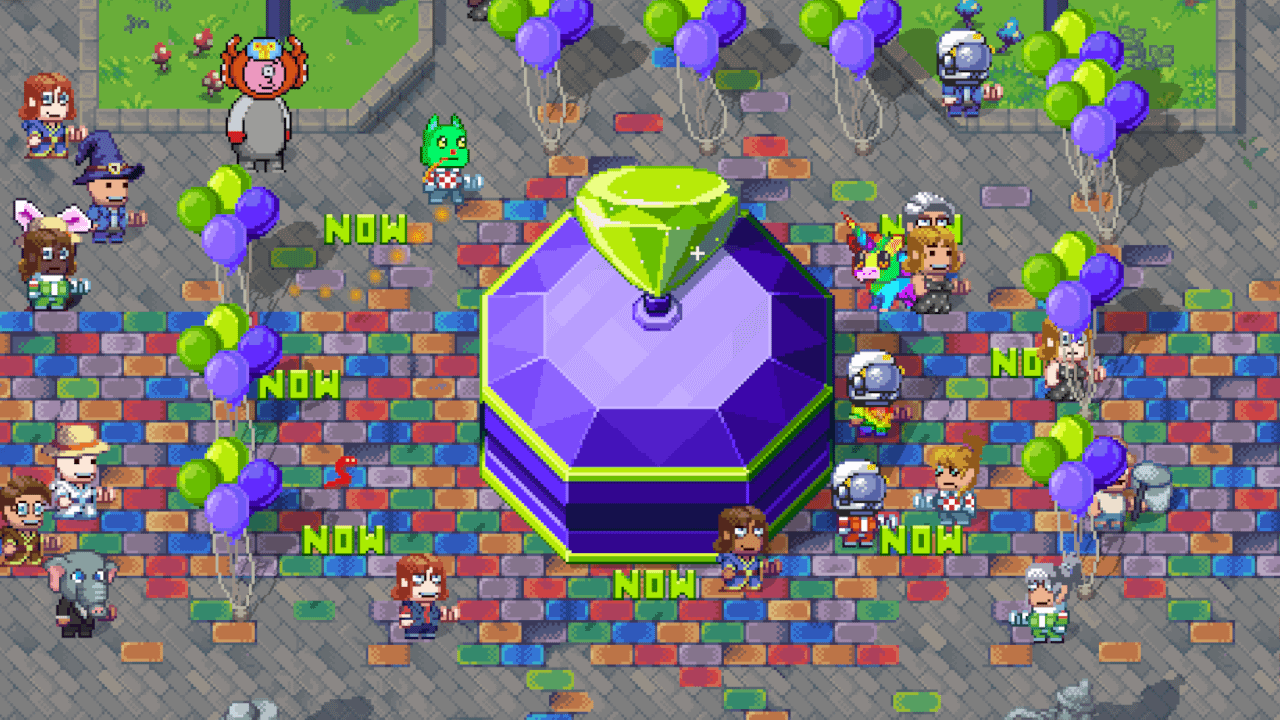
Despite its casual appearance, Pixels reflects a sophisticated approach to game design and blockchain integration. It avoids overwhelming users with technical complexity while still leveraging the benefits of decentralization. This balance is crucial in an industry still striving to bridge the gap between traditional gaming and web3 innovation.
In essence, Pixels represents a meaningful step forward in blockchain gaming by prioritizing accessibility, community, and sustainable economics. It demonstrates that web3 games do not need to sacrifice enjoyment for functionality, and that player-centric design can coexist with decentralized technology. As the space continues to mature, projects like Pixels may help define the future of interactive digital worlds where ownership, creativity, and social connection converge.