
I’ve spent enough time around Web3 games to recognize a familiar pattern. They launch with hype, introduce a token, promise rewards, and quickly pull in attention. For a while, everything feels exciting. But once that initial wave fades, the reality becomes clear—most of these games were never designed to be genuinely enjoyable. They were built around incentives, not experience.
That’s where Pixels feels different to me.
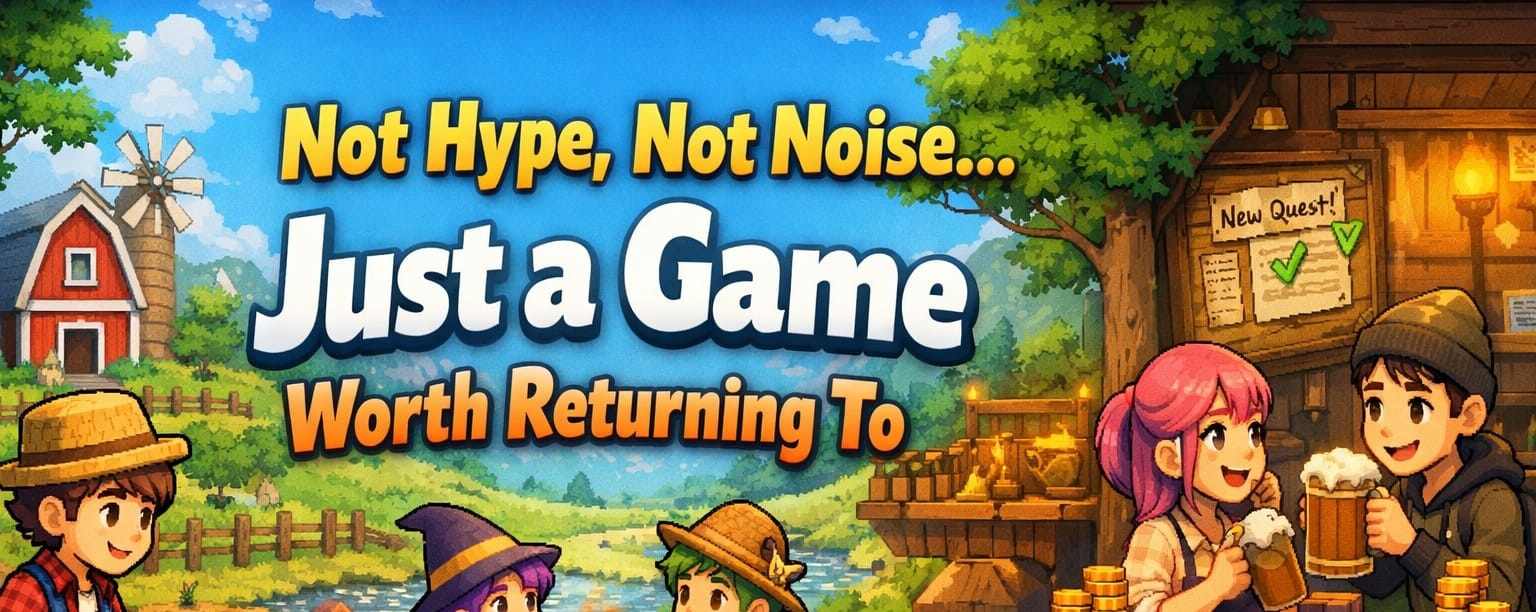
It doesn’t rely on loud marketing or exaggerated claims. Instead, it focuses on something far more important—creating a game that people actually want to come back to. And surprisingly, that alone sets it apart.
The simplicity is a big part of its strength. You can jump in without friction, understand the mechanics almost instantly, and settle into a relaxed rhythm. Farming, completing small tasks, interacting with others—it all feels natural. Nothing is forced. There’s no constant pressure to think about profits, which is rare in this space.
Many blockchain games make the mistake of believing rewards are enough to retain players. But that idea doesn’t hold up. If the core experience isn’t enjoyable, no amount of earning will keep people engaged long term. Once the incentives lose their appeal, the entire system collapses.
Pixels takes a different approach. It prioritizes gameplay first, then builds the economy around it. The farming loop is simple yet satisfying, the environment feels welcoming, and the social layer adds genuine value. It plays like a real game—ownership and blockchain elements come naturally, rather than feeling forced.
Onboarding is another area where it succeeds. Instead of overwhelming new users with technical barriers, it keeps things accessible. Anyone can get started without needing deep knowledge of wallets or crypto systems, which opens the door to a broader audience.
Even the token doesn’t dominate the experience. It exists, but it doesn’t overshadow the core elements. Gameplay, community, and ownership work together instead of competing for attention. That balance gives Pixels a sense of stability that many others lack.
Of course, it isn’t perfect. Market conditions, token dynamics, and speculation are still part of the ecosystem. But despite those factors, Pixels manages to offer something rare—a world that feels worth returning to.
In a space often driven by noise and short-term thinking, Pixels stands out by doing less, but doing it right. It doesn’t try to be everything. It simply focuses on being a good game—and sometimes, that’s exactly what makes something last.