
One thing I’ve started to notice while spending more time in @Pixels is how different the reward system feels compared to most Web3 games I’ve tried before.
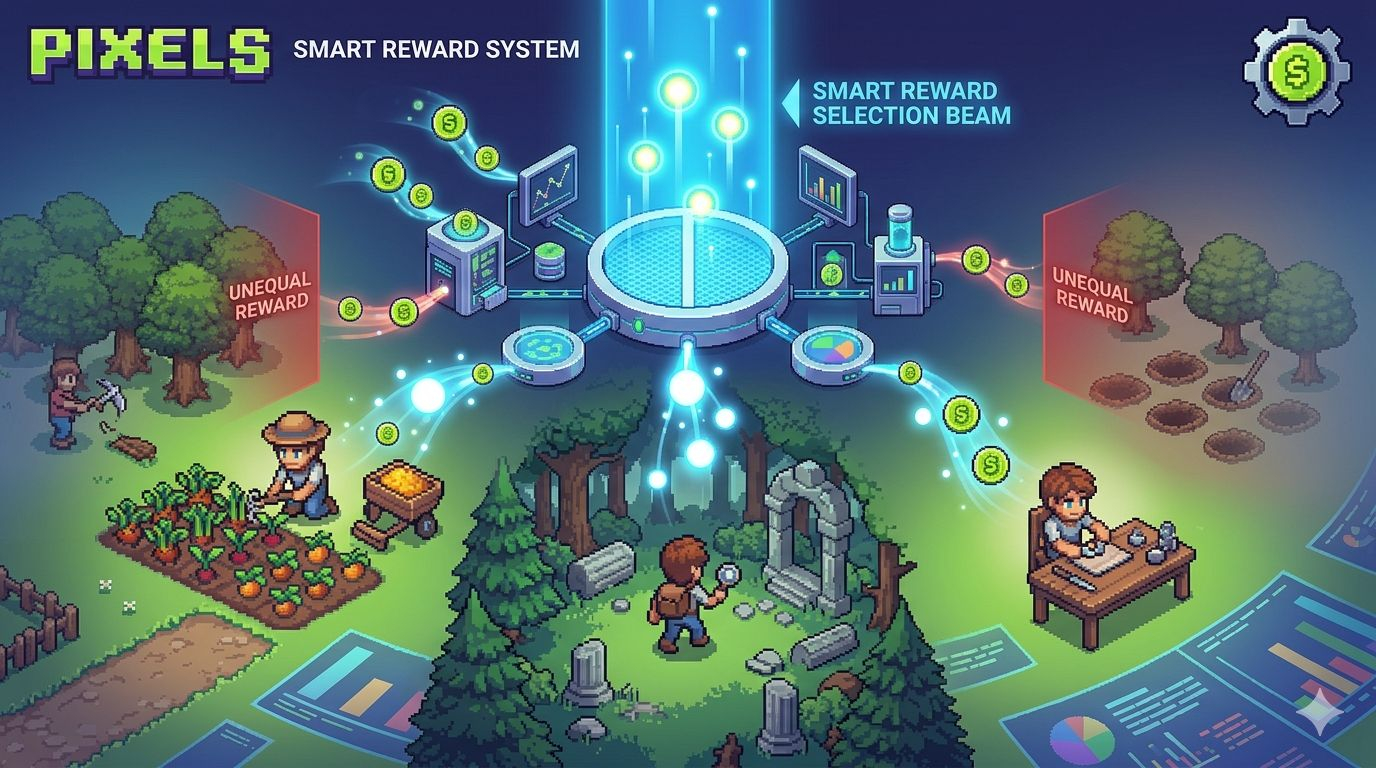
In many play-to-earn games, the process is usually very straightforward—complete tasks, earn tokens, repeat. Over time, it can start to feel predictable and sometimes even exhausting.
But Pixels seems to be taking a different approach.
Instead of simply rewarding every action equally, the system feels more selective. It’s almost like the game is trying to identify which player behaviors actually add value to the ecosystem. This makes the experience feel more dynamic, because not all actions are treated the same way.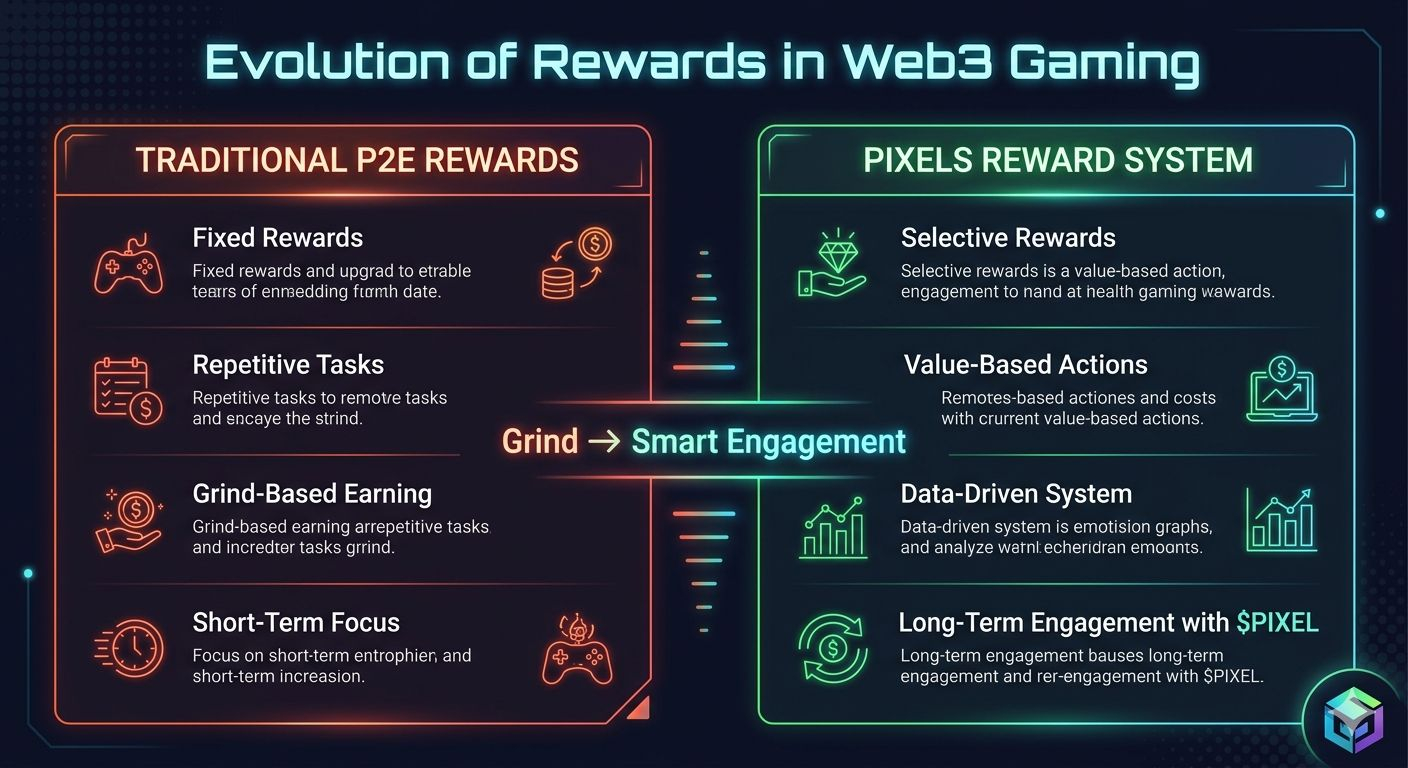
From what I understand, this ties into their data-driven approach. The idea is to reward meaningful engagement rather than short-term activity. So instead of encouraging players to just grind endlessly, the system encourages smarter and more intentional gameplay.
Personally, I find this approach more interesting.
It creates a sense that what you do in the game actually matters beyond just earning tokens. Your actions feel connected to a bigger system that is trying to stay balanced and sustainable over time.
And when you look at $PIXEL from that perspective, it starts to feel less like a simple reward token and more like a key part of a carefully designed ecosystem.
If this model continues to evolve, I think @Pixels could set a new standard for how rewards work in Web3 games. #pixel $PIXEL