

Habibies! Do you know? I didn’t realize how much Tier 4 had quietly trained me until I opened Tier 5 and felt lost again, like the game had reset my confidence on purpose.
That’s the first thing that stands out in Pixels Online Tier 5. On the surface, it looks like an expansion. New industries, over 100 recipes, new materials layered into the economy. But underneath, it’s a deliberate shift in how progression feels. It slows you down just enough to make every decision carry weight again.
When I first looked at the crafting requirements for a Tier 5 industry, the numbers didn’t feel large in isolation. A few new resource chains, some refined outputs, a couple of intermediate steps. But then you trace the path. One input depends on two prior industries. Those industries depend on upgraded land setups. Suddenly, that “+100 recipes” isn’t just content volume. It’s density. It’s the game asking you to think in systems, not steps.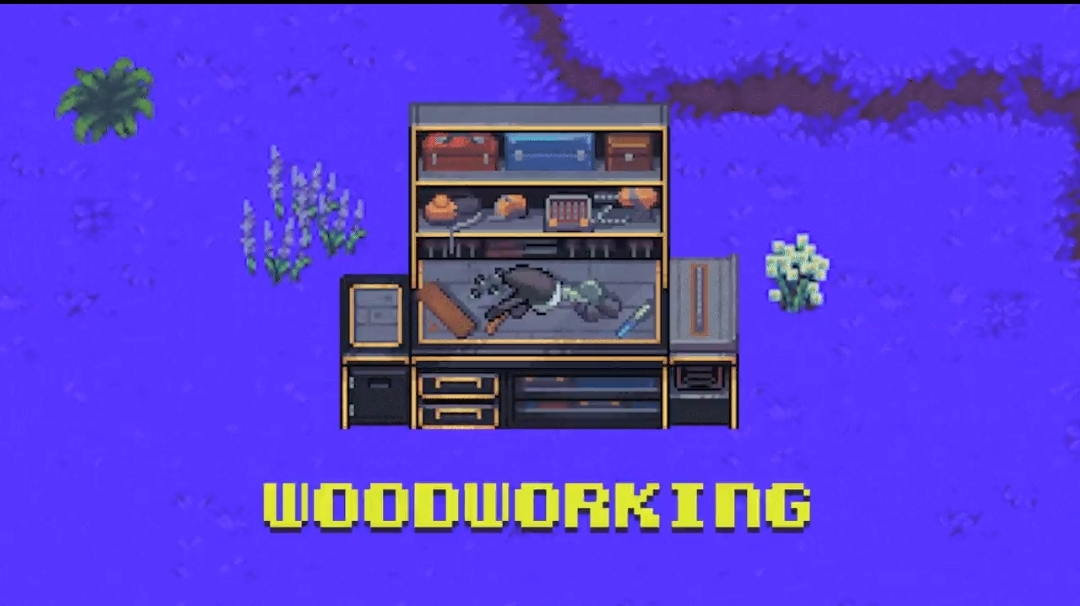
That changes how you approach crafting your first Tier 5 industry.
On the surface, the process is simple. You unlock the blueprint, gather the required Tier 5 resources, and assemble the structure. But underneath, what’s really happening is resource compression. Lower-tier materials that used to feel abundant now flow upward into tighter loops. Wood becomes processed goods, processed goods become industrial inputs, and those inputs feed a single Tier 5 output that actually matters.
Understanding that helps explain why many players stall early. It’s not a grind problem. It’s a planning problem.
Take a basic example. Let’s say your first Tier 5 industry requires three new materials. Each of those materials might require two sub-recipes. That’s already six production paths. If each path takes even 10 minutes to stabilize, you’re looking at an hour just to create flow, not output. That’s before inefficiencies, before market gaps, before mistakes.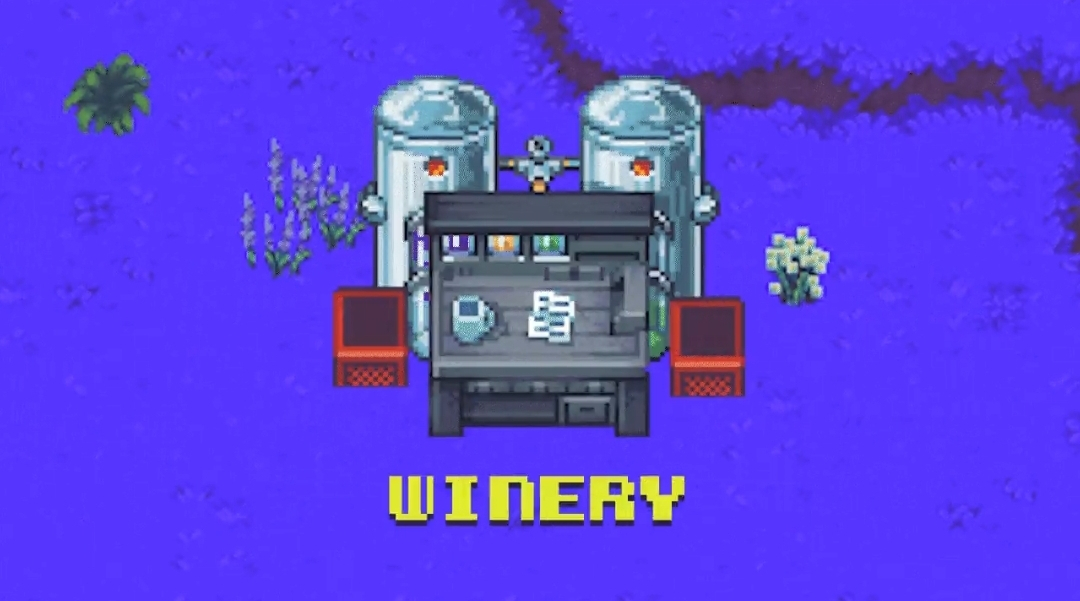
Meanwhile, the game doesn’t tell you this directly. It lets you feel it.
What struck me is how this system quietly rewards players who think ahead by even one step. If you prepare Tier 4 industries properly, Tier 5 feels like an extension. If you don’t, it feels like friction. That difference is everything.
There’s also a subtle economic shift happening here. In earlier tiers, time was the main constraint. You waited, harvested, repeated. In Tier 5, coordination becomes the constraint. You can have all the time in the world, but if your production chain isn’t aligned, you stall.
That creates a different kind of player advantage. Not whales, not grinders, but organizers.
And that ties into the bigger design philosophy we’ve been seeing lately. Web3 games are moving away from raw reward distribution and toward structured participation. The old model gave tokens for activity. The newer model, which Tier 5 leans into, gives value for efficiency.
If this holds, it changes how people play.
Back to the actual process of crafting your first Tier 5 industry. The surface-level steps are straightforward. You identify the industry you want, check the recipe requirements, gather inputs, and build. But the deeper layer is about sequencing.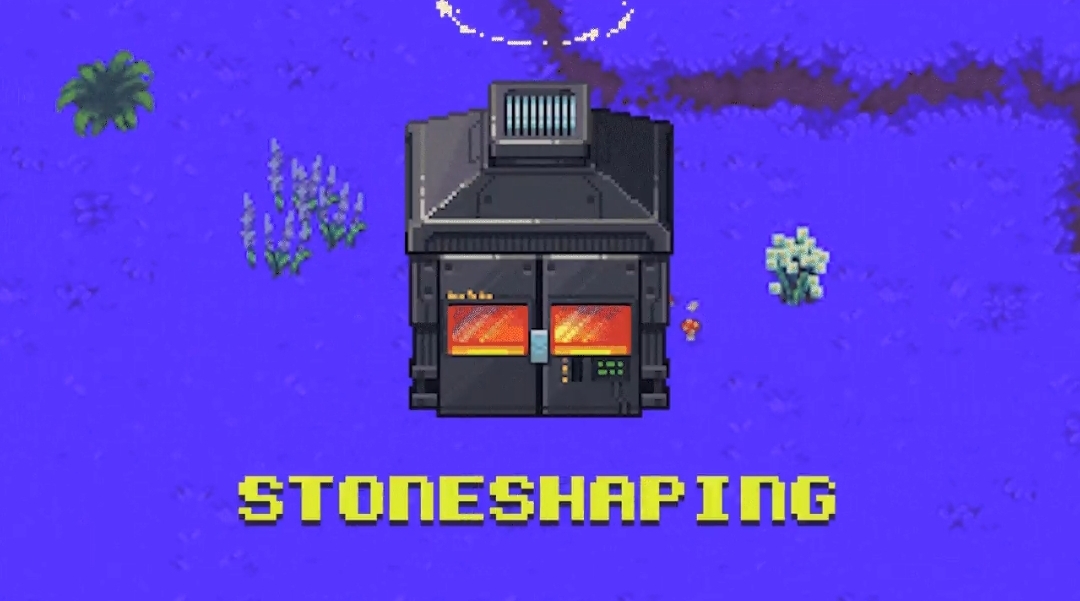
You don’t start with the Tier 5 structure. You start by stabilizing its dependencies.
That means looking at your existing industries and asking a simple question. Can they sustain continuous output without intervention? If the answer is no, Tier 5 will feel slow. If the answer is yes, Tier 5 becomes a multiplier.
There’s also a pacing decision here that isn’t obvious at first. Do you rush your first Tier 5 industry or build gradually?
Early signs suggest rushing can backfire. If you push everything into one Tier 5 build, you create a fragile system. One missing input and everything stops. But if you build supporting industries first, even if it takes longer, your output becomes steady.
That word matters. Steady.
Because Tier 5 isn’t about spikes. It’s about consistency.
Another layer worth paying attention to is land management. Tier 5 introduces more industries, but your land doesn’t expand at the same rate. That creates pressure. Every tile starts to matter more. Every placement decision has a cost.
So crafting your first Tier 5 industry isn’t just about resources. It’s about space.
I’ve seen players underestimate this and end up rebuilding layouts mid-process. That adds hidden time cost. Not in crafting, but in restructuring. And that’s where experience starts to show. Players who think in layouts early avoid that friction later.
Meanwhile, the introduction of new resources does something interesting to the market. When supply chains get longer, early-stage materials regain value. Items that felt cheap in Tier 4 start becoming bottlenecks in Tier 5.
You can already see this in pricing behavior. Small shifts, but meaningful ones. If a Tier 4 input is required across multiple Tier 5 recipes, its demand multiplies. Even a 10 percent increase in usage can create noticeable scarcity if supply doesn’t adjust.
That’s where opportunity sits, quietly.
Not everyone needs to rush into Tier 5 crafting. Some players will find more value supporting the ecosystem. Producing key inputs, stabilizing supply, selling into demand spikes. That’s a different path, but it’s just as valid.
And it speaks to something larger.
Tier 5 isn’t just content. It’s a test of whether the game can support layered economies. Not just players consuming systems, but players sustaining them.
There’s also risk here. Complexity can push players away if it feels overwhelming. Not everyone wants to manage multi-step production chains. Some just want to play, relax, progress.
If the balance leans too far into complexity, retention can drop. But if it finds the right texture, where depth exists without friction, it creates something rare. A system that rewards thinking without punishing curiosity.
Right now, it feels like it’s walking that line.
As you move through your first Tier 5 industry, you start to notice a shift in mindset. You stop asking “what do I need right now” and start asking “what will I need in 30 minutes.” That small change is where the real progression happens.
Because once you think that way, the system opens up.
Your industries stop being isolated units and start becoming a network. Your decisions stop being reactive and start becoming intentional. And the game, quietly, starts feeling less like a task loop and more like a structure you’re building.
That’s the part that stays with you.
Meanwhile, across the broader Web3 gaming space, we’re seeing fewer projects chasing quick engagement and more trying to build systems that hold attention over time. Tier 5 fits into that pattern. It’s slower, more deliberate, less immediately rewarding.
But it feels earned.
If this direction continues, the gap between games that hand out rewards and games that create economies will only widen. And players will start to notice the difference, even if they can’t fully explain it.
What Tier 5 reveals, more than anything, is that progression isn’t about adding more. It’s about making what’s already there matter more.
And once that shift happens, you don’t just play the system.
You start thinking inside it.
