Você confiaria suas economias de vida a um sistema que poderia desaparecer da noite para o dia devido a uma única linha de código ruim?
O mundo das finanças descentralizadas está em choque após a Rhea Finance, um importante centro de empréstimos na blockchain NEAR, confirmar que uma exploração recente foi muito mais devastadora do que se acreditava inicialmente. Enquanto os primeiros relatórios sugeriam uma perda de cerca de $7,6 milhões, uma análise completa pós-morte revelou que o dano total na verdade alcançou $18,4 milhões. Essa discrepância maciça reacendeu intensos debates sobre a transparência dos relatórios iniciais de hack e os riscos inerentes a protocolos financeiros experimentais.
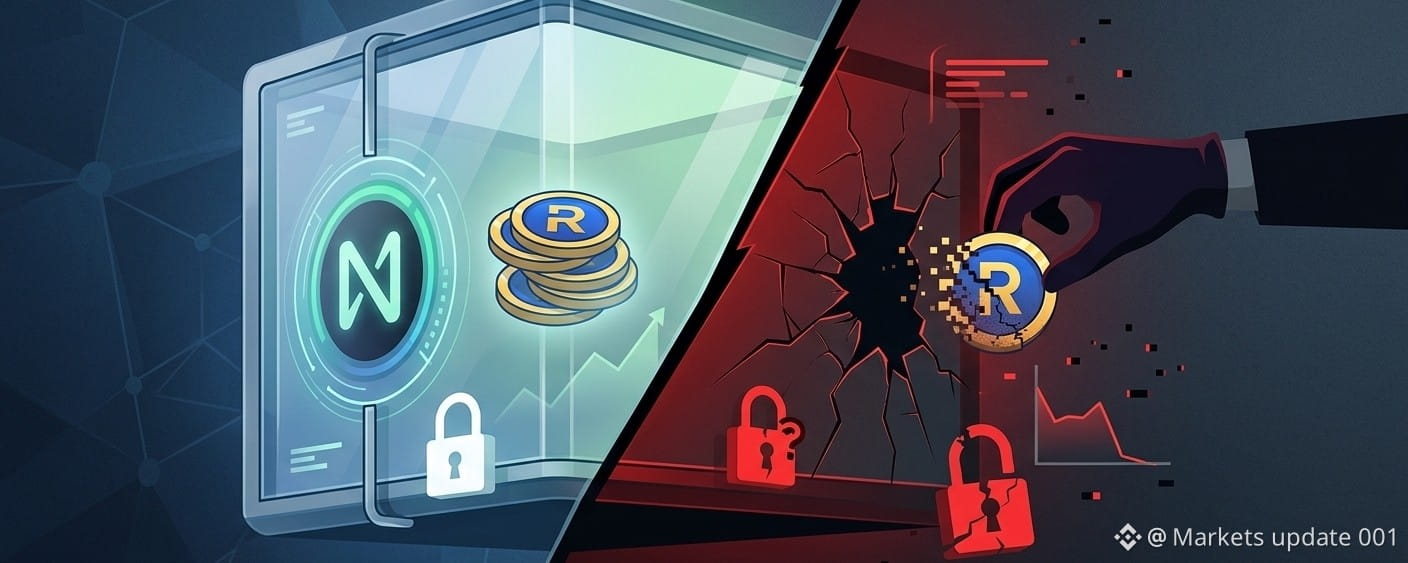
O ataque foi realizado através de um método sofisticado conhecido como manipulação de oráculo de preço. Essencialmente, o atacante criou contratos de token falsos e os emparelhou com ativos legítimos para enganar o protocolo, fazendo-o acreditar que esses tokens sem valor tinham alto valor. Ao inflacionar artificialmente esses preços, o explorador conseguiu usar os "valiosos" tokens falsos como colateral para tomar emprestado e drenar $18.4 milhões em ativos reais da plataforma. Isso deixou o protocolo segurando um saco de papel digital sem valor enquanto os fundos reais eram desviados.
Este incidente serve como um lembrete sombrio das vulnerabilidades de segurança persistentes dentro do setor DeFi, especialmente à medida que os protocolos tentam conectar várias blockchains. Mesmo com tecnologia de alto nível como assinaturas de cadeia e agentes automatizados, uma falha na forma como um sistema "lê" o preço de um ativo pode levar a um colapso total. Enquanto a comunidade analisa os destroços, o foco se deslocou para se algum dos fundos roubados—alguns dos quais foram congelados por emissores de stablecoin—pode ser recuperado para compensar os usuários afetados.
Você acha que os protocolos DeFi deveriam ser obrigados a ter fundos de seguro obrigatórios antes de serem autorizados a gerenciar milhões em capital de usuários?