
The first release of Pixels in 2021 seemed to be a very basic farming game where you grew crops, mined wood and stone, prepared meals to gain energy, and explored a tiny 16-bit village called Terra Villa.planted , cooked It felt a lot like Stardew Valley — relaxed, social, and easy to pick up. Nobody asked hard questions. People just played. But the team behind it had a much bigger idea running quietly in the background. The $PIXEL whitepaper says it plainly: Pixels was founded to solve play-to-earn and unlock a fundamentally new model for game growth that transcends Web3 into mainstream gaming. The farming world was not the destination. It was the test. Every crop planted, every order filled, every hour a player spent inside that small pixelated economy was feeding a larger experiment one designed to figure out what actually works in blockchain gaming before building anything else on top of it.
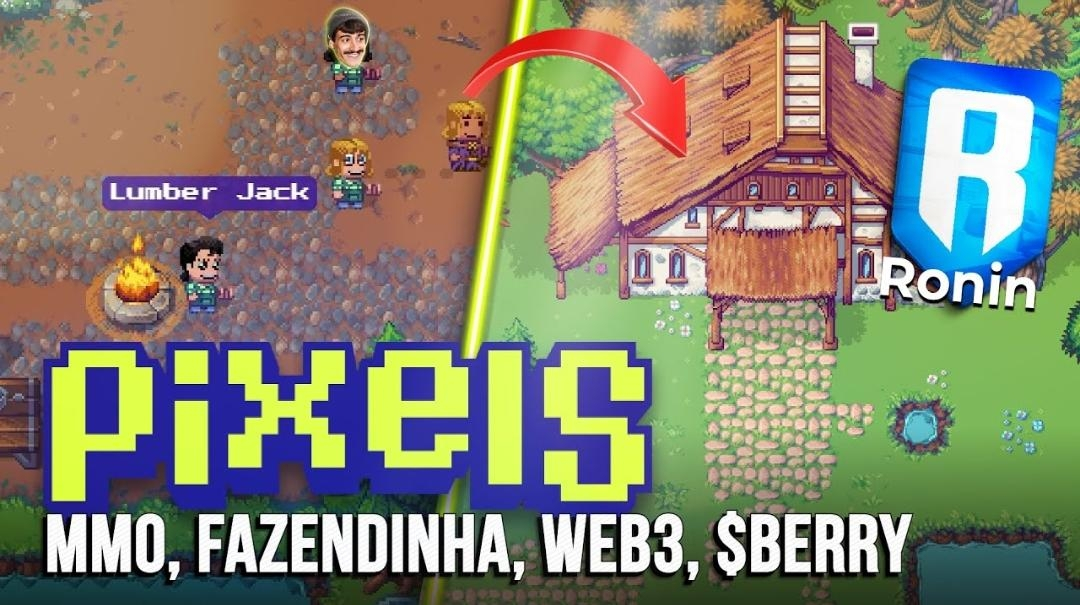
The farming game was the perfect place to run that experiment because it was genuinely popular. That is not a small test group. That is a real economy with real people making real decisions every day what to farm, what to sell, when to spend tokens, when to hold them. The team was watching all of it. Which actions kept players coming back the next day? Which rewards made them spend more inside the game? Which parts of the economy were being drained by bots? Which player behaviors built the ecosystem up and which ones slowly bled it dry? Most game studios guess at these questions before launch and patch their mistakes afterward. Pixels used a live game with hundreds of thousands of players to get real answers before building the bigger system around them.
One of the clearest lessons came from the $BERRY token. Pixels launched with $BERRY as its main in-game currency in 2022. Players earned it by farming and selling crops. It seemed simple enough. But the problem appeared quickly. $BERRY was inflating at around 2 percent per day a rate that sounds small until you realize it compounds into something unmanageable very fast. Players who understood this started farming at maximum speed and selling constantly, which pushed the price down for everyone. Bots made it worse. Web3 technology, as the team later acknowledged, made inflation problems more extreme because it allowed farmers to grind harder and sell their earnings more easily than any traditional game currency ever had to deal with. The $BERRY experiment did not fail quietly. It failed in front of hundreds of thousands of people, giving the team exactly the kind of hard data they needed to build something better.
What they built was a cleaner, more honest economic model. They phased out $BERRY completely, replaced it with an off-chain currency called Coins for everyday gameplay, and made $PIXEL the single hard token at the center of everything. But the more important lesson from the $BERRY period was about how to measure whether a game economy is actually healthy. That lesson became RORS Return on Reward Spend. The goal is straightforward: every $PIXEL token paid out as a reward should generate at least one dollar in revenue back into the protocol. If the game is paying out more than it earns, the economy is eventually going to collapse. If it earns more than it pays out, the system can keep running and growing. This metric did not come from theory. It came from watching exactly what happened when $BERRY had no such measurement and seeing the damage that caused in real time.
The data collected inside the farming game did something else too. It taught the team what kinds of player behavior actually build a healthy game economy versus the kinds that simply extract value from it. This knowledge became the Smart Reward Targeting system described in the whitepaper a data-driven infrastructure that uses large-scale analysis and machine learning to identify which player actions genuinely drive long-term value and directs rewards specifically toward those actions. In plain terms, the system learned from real farming game players what good behavior looks like, and now it pays more for that behavior across every game in the ecosystem. Without the farming game running at scale for years, there would be no behavioral data to train that system on. The experiment had to happen first.
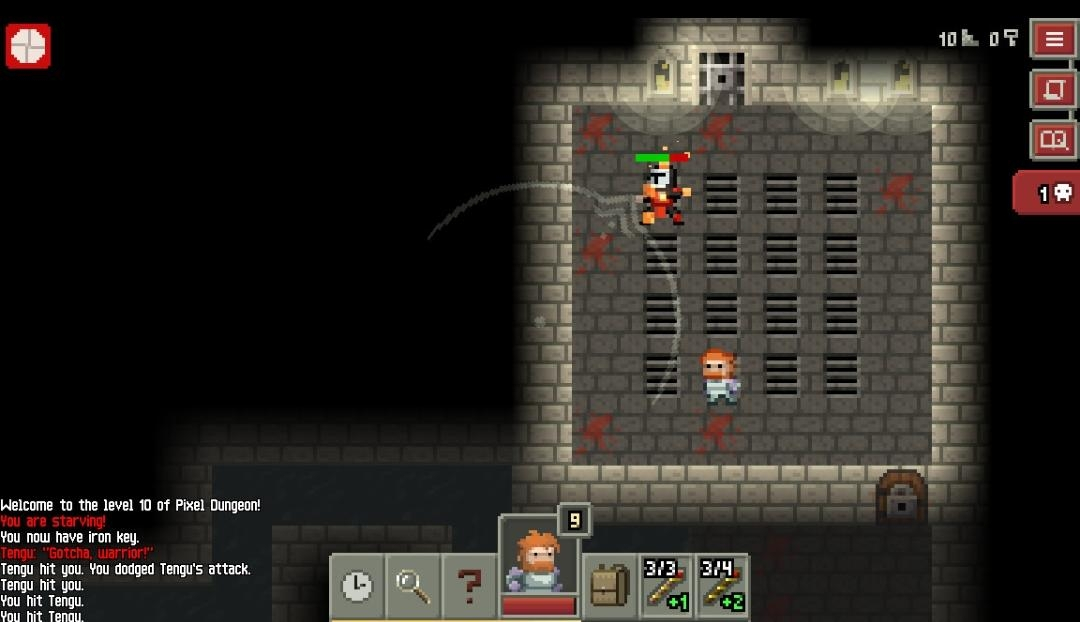
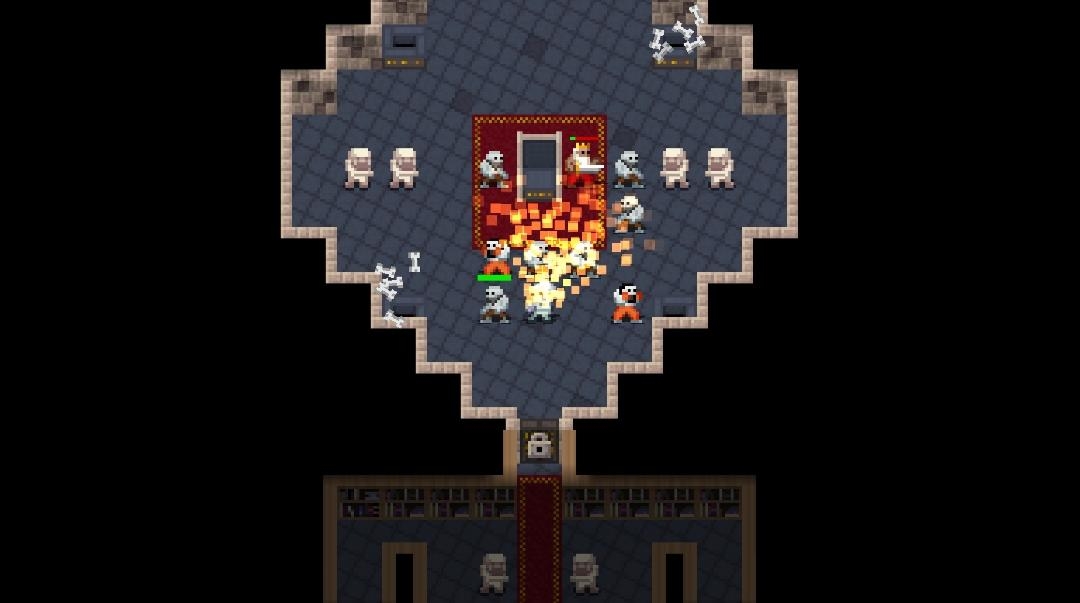
By the time Pixels was ready to expand into a multi-game publishing platform — bringing in Pixel Dungeons, Forgotten Runiverse, Sleepagotchi, and others — the team was not guessing how to make the economics work. They had already tested the core ideas with over a million real players inside a real game. They knew which currency designs caused inflation. They knew how to measure whether rewards were sustainable. They knew what behaviors to reward and which ones to discourage. The Pixels Events API now carries that knowledge across the entire ecosystem player data and behavioral profiles are portable across games, so every new title joins a system that has already learned from years of real economic activity. The farming world was a laboratory. Everything growing in it today is the result of what those experiments taught.