
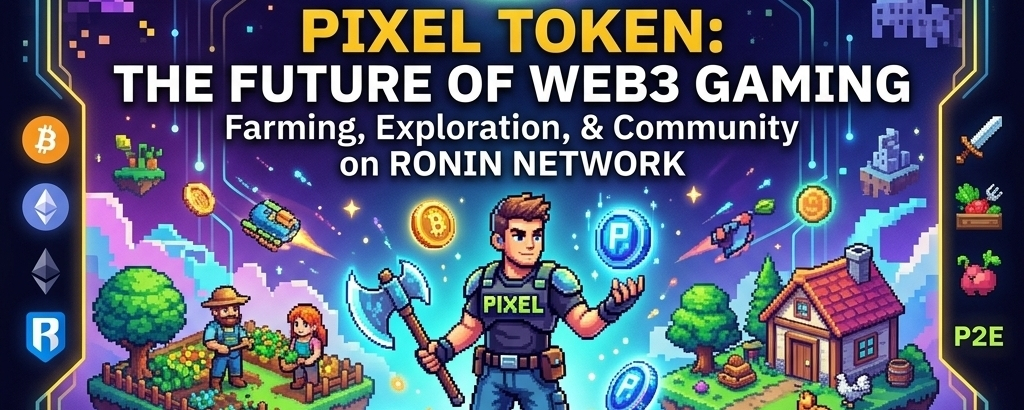
A integração da tecnologia blockchain no mundo dos games passou por várias fases, desde o hype inicial de "Play-to-Earn" (P2E) até os modelos mais refinados de "Play-and-Earn". Na vanguarda dessa evolução está a Pixels (PIXEL), um jogo social casual web3 que capturou a atenção tanto de gamers quanto de investidores cripto em todo o mundo. Construído na rede de alta performance Ronin, Pixels é mais do que apenas um jogo; é uma economia digital complexa baseada na propriedade e na comunidade.
O que é Pixels?
Pixels é um jogo de sandbox em mundo aberto onde os jogadores se envolvem em agricultura, exploração e criação. Visualmente, carrega uma estética nostálgica de 8 bits, reminiscente de simuladores de agricultura clássicos, mas sob sua aparência charmosa reside uma arquitetura blockchain sofisticada. O jogo permite que os usuários construam seus próprios mundos, interajam com outros e possuam verdadeiramente os ativos que ganham ou criam na forma de Tokens Não Fungíveis (NFTs).
O Papel do Token PIXEL
No coração deste ecossistema está o token PIXEL. Diferente da moeda secundária do jogo (BERRY), que foi descontinuada para gerenciar a inflação, o PIXEL serve como o token de utilidade e governança premium. Suas funções principais incluem:
Compras Premium: Os jogadores usam PIXEL para comprar assinaturas VIP, que oferecem benefícios exclusivos e progressão mais rápida.
Mintagem de Itens: É usada para cunhar itens especiais e pets dentro do jogo, adicionando uma camada de escassez e valor.
Conectividade Social: O token é necessário para ingressar e gerenciar "Guildas", que são centros sociais que permitem aos jogadores colaborar e competir por recompensas.
Governança: À medida que o projeto amadurece, os detentores de PIXEL ganharão a capacidade de votar em decisões-chave de desenvolvimento, garantindo que a comunidade tenha voz no futuro do jogo.
A Mudança para a Rede Ronin
Uma das jogadas estratégicas mais inteligentes da equipe Pixels foi migrar para a Rede Ronin—uma sidechain do Ethereum especificamente otimizada para jogos. A Ronin, famosa por hospedar Axie Infinity, oferece taxas de transação baixas e alta velocidade necessárias para um jogo com centenas de milhares de usuários ativos diariamente. Essa migração não apenas resolveu questões de escalabilidade, mas também integrou Pixels a uma comunidade de jogos dedicada.
Um Modelo Econômico Sustentável
O maior desafio para os jogos blockchain tem sido a sustentabilidade. Muitos projetos iniciais colapsaram devido à hiperinflação. Pixels aborda isso focando em "Jogabilidade Primeiro". Os desenvolvedores priorizam a criação de um jogo divertido e envolvente, garantindo que os jogadores permaneçam pela experiência, não apenas pelas recompensas financeiras. Ao controlar cuidadosamente a oferta de PIXEL e criar "sinks" (formas de gastar o token no jogo), o ecossistema visa a estabilidade a longo prazo.
Potencial de Mercado e Perspectivas Futuras
Desde seu lançamento em grandes exchanges globais como Binance, o PIXEL viu liquidez e interesse significativos. Seu sucesso é impulsionado por uma enorme base de jogadores ativos, que frequentemente supera centenas de milhares de usuários diariamente—uma raridade no espaço Web3.
À medida que avançamos para 2026, o roadmap para Pixels inclui integrações mais profundas no metaverso, guerras de guildas mais complexas e utilidade expandida de terras. Para os investidores, o PIXEL representa uma aposta no crescimento do GameFi; para os jogadores, representa uma nova era onde seu tempo e esforços digitais têm valor no mundo real.
Conclusão
Pixels (PIXEL) conseguiu preencher a lacuna entre jogos casuais tradicionais e o futuro descentralizado. Ao focar na comunidade, sustentabilidade e diversão, estabeleceu um novo padrão para o que um jogo blockchain pode alcançar. No entanto, como qualquer ativo digital, o mercado continua volátil, e potenciais participantes devem equilibrar sua empolgação com pesquisas cuidadosas. #PIXEL #Pixels #RoninNetwork #BinanceSquare #Web3Gaming #GameFi