
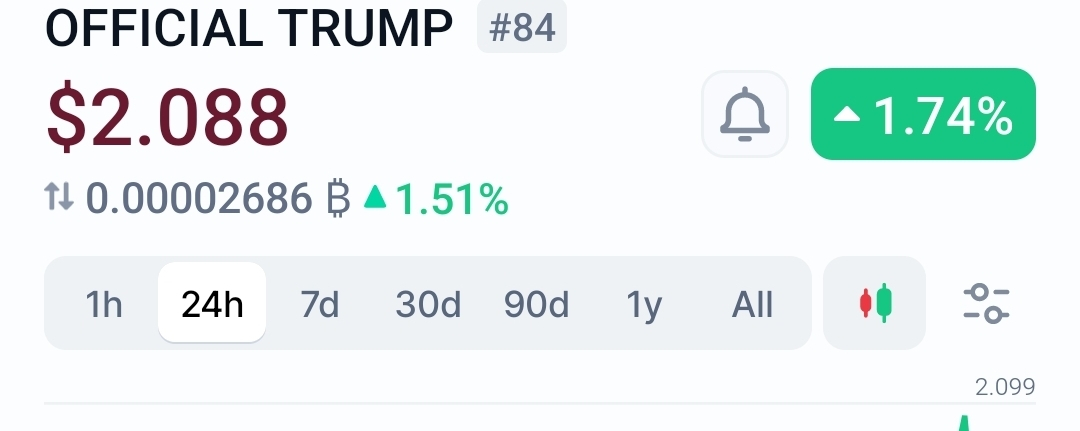
$TRUMP Senators are clashing over crypto ethics rules, and President Donald Trump’s own crypto ties are being used as a key example in that debate.
The main fight centers on the Clarity Act’s ethics rules for elected officials’ crypto holdings, where Trump-linked ventures are cited as conflict-of-interest examples.
This ethics dispute is now the biggest obstacle to passing the Clarity Act, a market-structure bill that could shift much day-to-day crypto oversight to the CFTC.
What matters next is whether senators can cut a deal on ethics before an expected summer floor vote, which would unlock clearer rules for exchanges, stablecoins, and banking access.
Deep Dive
1. Trump’s Crypto Ties At Issue
Recent reporting says a key sticking point in the Senate’s Clarity Act is an ethics provision governing lawmakers’ crypto holdings, with staff describing it as the main unresolved issue before a floor vote could happen by August 2026. One analysis notes that “the ethics provision remains the primary sticking point” and that a deal is expected before the bill hits the floor, if it is to reach the 60 votes needed for passage.
In parallel, Senator Elizabeth Warren has pressed the Office of the Comptroller of the Currency to disclose communications involving national crypto trust charters and any connections to Trump’s crypto ventures, including World Liberty Financial, a company tied to his family, arguing these charters may let “crypto banks” evade traditional safeguards. That letter specifically requests OCC records on contacts with Trump, his family, or associates about these approvals.
Separate coverage describes Trump hosting high profile events for holders of his own meme coin, while his family’s crypto portfolio “faces growing scrutiny on Capitol Hill,” contributing to divisions among Republicans as crypto bills stall.
2. Ethics Rules And The Clarity Act
The Digital Asset Market Clarity Act would split oversight between the SEC and CFTC and is framed by supporters as delivering roughly “90 percent” of what the industry wants in terms of regulatory clarity, including more predictable treatment of tokens and spot markets. A Senate Banking Committee vote advanced the bill 15–9, with two Democrats joining Republicans, but seven more Democratic votes are needed on the floor, and the unresolved ethics language is the main barrier.
The ethics provision focuses on conflict-of-interest rules for elected officials who trade or hold crypto while shaping regulation. Trump-related examples, from OCC charter fights involving Trump-linked firms to his meme coin activity, are being used to argue for stronger guardrails. That, in turn, raises concerns among some pro-crypto lawmakers that overly strict rules could discourage crypto expertise in Congress.
What this means: Regulatory clarity that could benefit exchanges, stablecoins, and onshore liquidity now partly hinges on how strict Congress wants to be about its own members’ crypto exposure.
3. What To Watch Next
Text negotiations on the ethics section are the immediate catalyst. Observers expect a compromise before leadership brings the Clarity Act to the floor, since no one wants a visible failure at 50–55 votes.
The broader Trump policy line also matters. He has already signed an executive order directing regulators and the Federal Reserve to open payment rails and “master accounts” more to crypto and fintech firms, while critics like Warren push in the opposite direction.
If the ethics deal is reached and the bill passes, expect follow-on rulemakings at the SEC, CFTC, OCC, and Fed that harden today’s shifting enforcement and banking-access practices into more durable rules.
Conclusion
Trump’s personal and family crypto activities have become a symbol in a larger Senate battle over whether lawmakers can safely regulate an asset class many of them also own. That ethics fight now sits directly in the path of the Clarity Act and, with it, the shape of US crypto market structure. For crypto users and builders, the key question is not just whether the bill passes, but what kind of ethics compromise unlocks those votes and how that shapes who feels comfortable championing crypto policy in Washington.
