
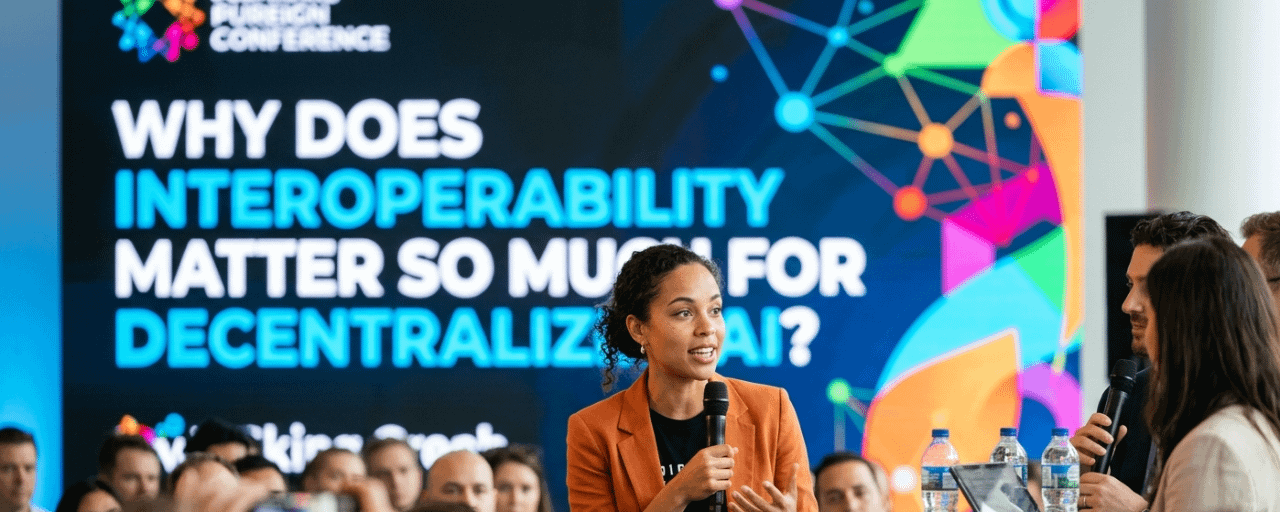
Why does interoperability matter so much for decentralized AI?
Because AI becomes weak when data, liquidity, and infrastructure are trapped inside isolated blockchains.
That is exactly why the EVM Bridge is becoming an important part of the @OpenLedger ecosystem.
An EVM Bridge allows Ethereum Virtual Machine (EVM) compatible blockchains to communicate with each other. In simple terms, it helps users move assets, interact with decentralized applications, and share blockchain functionality across multiple networks instead of staying locked into one chain.
For traditional DeFi, bridges mainly improve liquidity access.
But for AI-native ecosystems like OpenLedger, interoperability is far more important.
AI-powered decentralized applications require massive coordination between data providers, compute layers, smart contracts, and users. If these systems cannot interact across chains, scalability becomes limited very quickly.
OpenLedger is building infrastructure for decentralized AI, where data and intelligence can operate openly instead of being controlled by centralized platforms. To achieve that vision, seamless cross-chain compatibility is essential.
This is where EVM Bridge technology creates real value.
It allows developers building on OpenLedger to access broader Web3 ecosystems without sacrificing efficiency. Instead of rebuilding infrastructure from zero, projects can integrate with existing EVM-compatible networks, tools, wallets, and liquidity layers.
That reduces friction for both developers and users.
Imagine an AI agent operating across multiple blockchains:
• accessing on-chain data from different ecosystems,
• triggering smart contract actions automatically,
• optimizing transactions in real time,
• and interacting with decentralized applications without chain barriers.
That future cannot exist without interoperability.
The biggest mistake people make is thinking bridges are only about transferring tokens. In reality, bridges are becoming the backbone of connected decentralized intelligence.
Projects focused only on isolated ecosystems may struggle long term. But ecosystems designed for interoperability, scalability, and AI integration are positioning themselves for the next evolution of Web3.
That is why OpenLedger’s infrastructure approach matters.
The future of decentralized AI is not single-chain.
It is interconnected.
