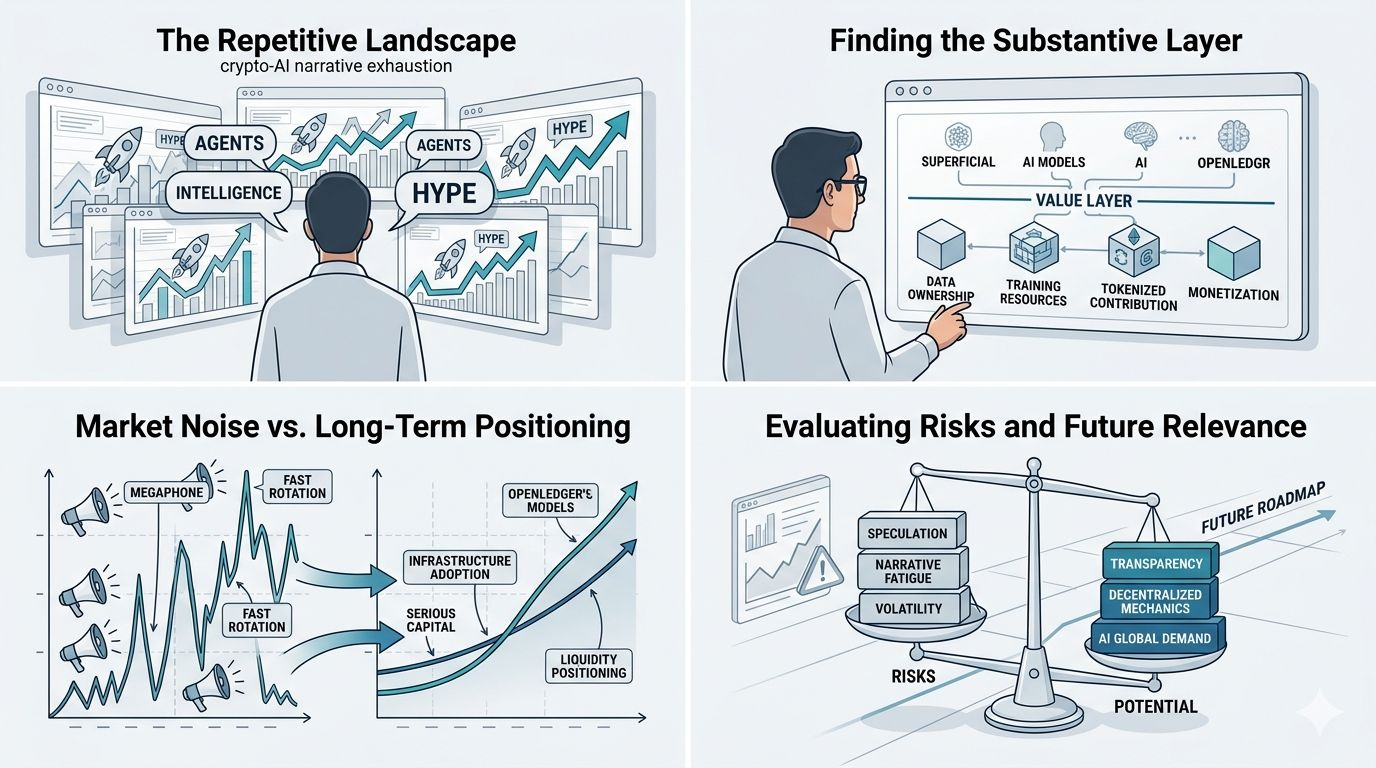
For a long time I kept ignoring OpenLedger because the AI sector inside crypto started feeling repetitive to me. Every few days another project appears promising decentralized intelligence, AI agents, automated systems, or some massive infrastructure revolution that’s supposedly going to change everything overnight. After staring at charts and narratives for hours almost every day, I started noticing that most of these projects move more on attention than actual substance. The story pumps first, then people try to figure out the utility later. That’s honestly why OpenLedger stayed in the background for me at first. I didn’t expect much from it.
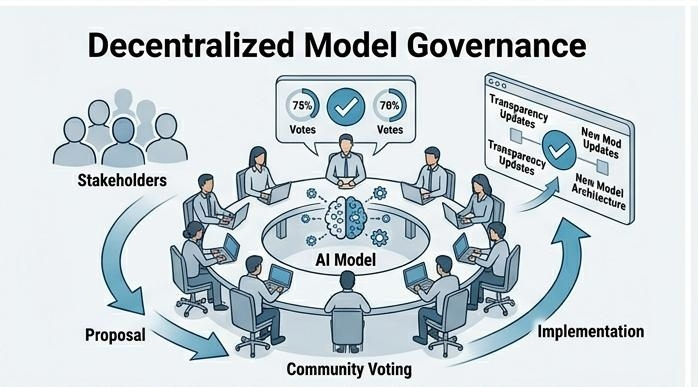
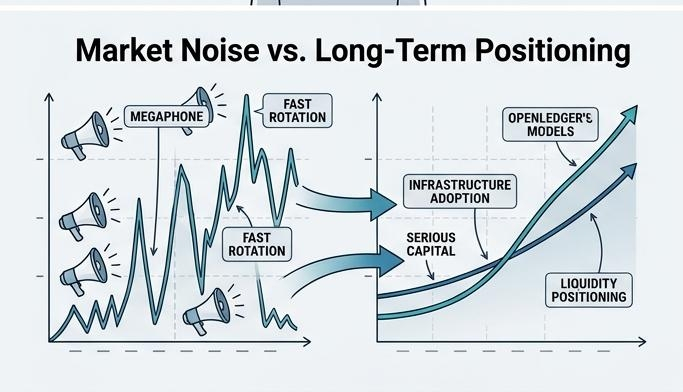
But the deeper I looked into the market, the harder it became to ignore how often serious people were mentioning it quietly. Not the loud accounts chasing engagement. I mean the people who usually care more about infrastructure, liquidity, and long-term positioning than fast hype rotations. That changed how I looked at the project. I started spending more time researching how OpenLedger fits into the bigger AI economy instead of only looking at price action or trending posts.
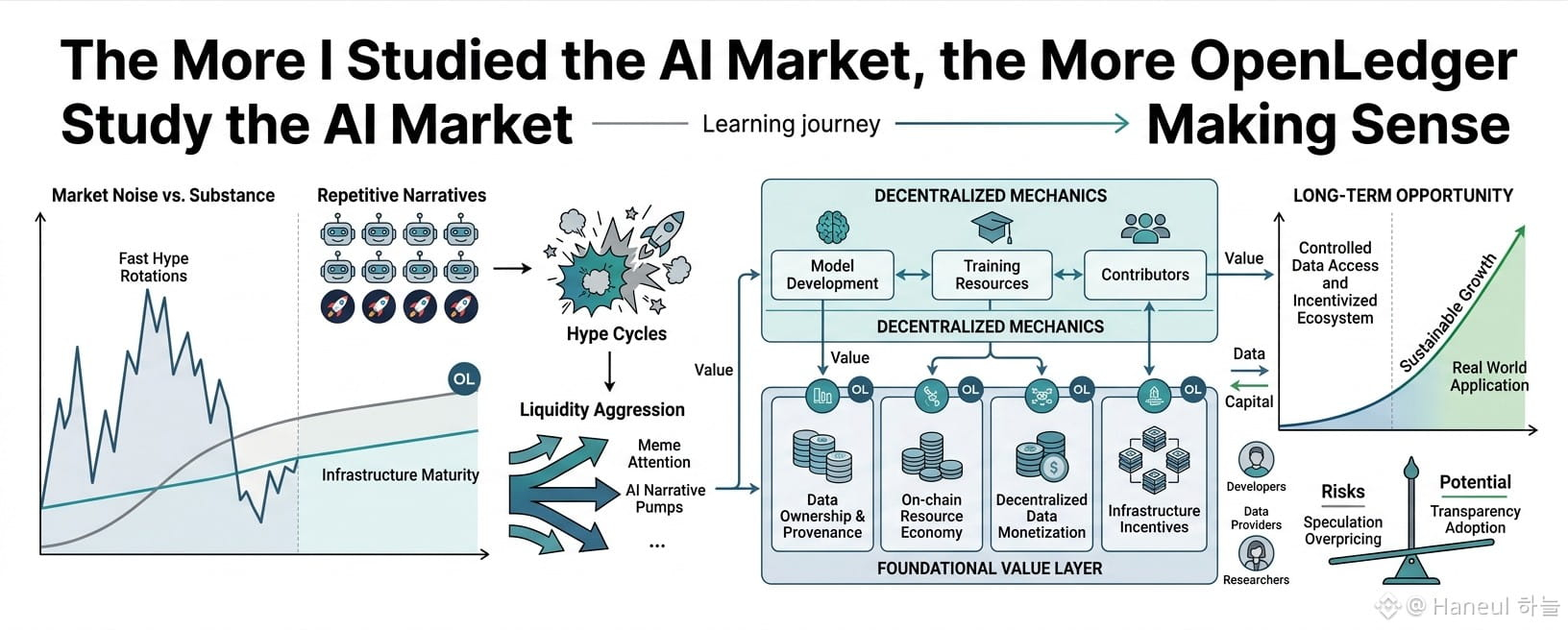
What caught my attention was the fact that OpenLedger seems focused on something most AI crypto projects barely talk about properly, which is the actual value layer behind AI itself. Everyone loves discussing models and agents because those words sound futuristic, but very few projects explain how data, training resources, ownership, and monetization could function inside a decentralized economy. That’s the part that kept pulling me back into research. AI does not exist in isolation. Behind every intelligent system there’s data being collected, infrastructure being maintained, contributors providing value, and capital flowing somewhere. OpenLedger feels like one of the few projects trying to build around that reality instead of simply marketing AI as a narrative.

The market feels strange lately and honestly a little disconnected at times. Liquidity rotates so aggressively that entire narratives can explode and die within days. I watch memes absorb attention, then suddenly infrastructure coins wake up, then AI starts trending again, then capital rotates into real-world assets before people rush back into speculation. Everything feels faster than it used to. But despite all that chaos, AI keeps returning to the center of conversations because deep down the market believes this sector is not temporary. People genuinely think AI will reshape technology over the next decade. That belief keeps pulling liquidity back no matter how overheated things become.
What makes OpenLedger interesting to me is that it seems connected to the economic side of AI instead of only the emotional side of the narrative. A lot of projects survive purely because they sound exciting during bullish conditions, but infrastructure usually survives because it solves a problem that becomes more important over time. The more I researched OpenLedger, the more I started thinking about how valuable data ownership could become in the future. Right now most AI systems are heavily controlled by centralized companies. They own the models, they control the infrastructure, and they benefit from the monetization. Crypto naturally pushes against that kind of concentration, which is probably why projects like OpenLedger are slowly attracting attention from people thinking beyond short-term trading.
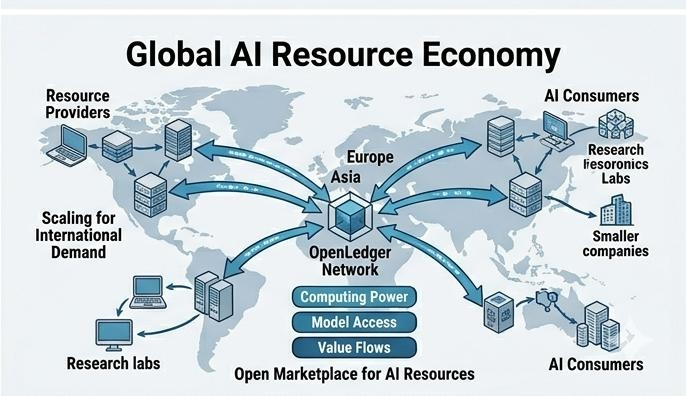
I also think the timing is important. AI demand is exploding globally while conversations around transparency, ownership, and accessibility are becoming bigger every month. That combination creates a strong environment for decentralized AI infrastructure narratives to grow. OpenLedger seems positioned directly inside that discussion. Not because it promises unrealistic fantasies, but because it’s trying to connect blockchain incentives with the actual mechanics behind AI systems. That feels far more grounded to me than most AI projects I’ve looked at recently.
At the same time, I still think there are risks people ignore because excitement moves faster than logic during strong narratives. Crypto markets love overpricing future expectations before real adoption happens. I’ve watched countless projects become market favorites simply because they matched the current trend at the perfect moment. AI can easily become another overcrowded sector where speculation outruns development. That’s why I keep reminding myself that infrastructure takes years to mature. Real ecosystems are not built in a few months just because liquidity arrives quickly.
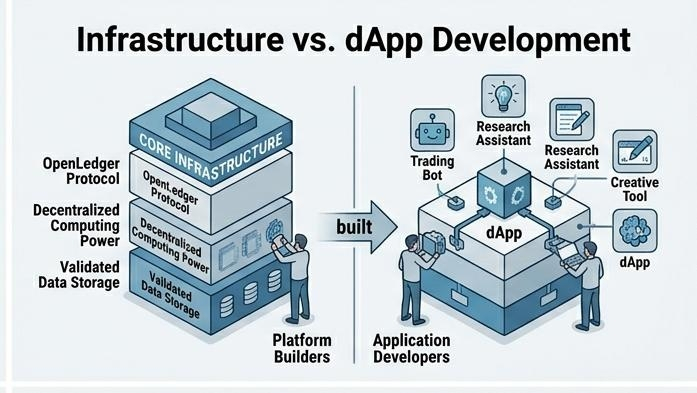
Another thing I keep thinking about is whether normal users will actually interact with systems like this directly or whether the value mostly stays at the developer and infrastructure level for a long time. A lot of infrastructure becomes incredibly important without average users fully noticing it. OpenLedger still has to prove that builders, researchers, data providers, and AI developers genuinely want to participate inside its ecosystem long term instead of only trading the token during hype phases.
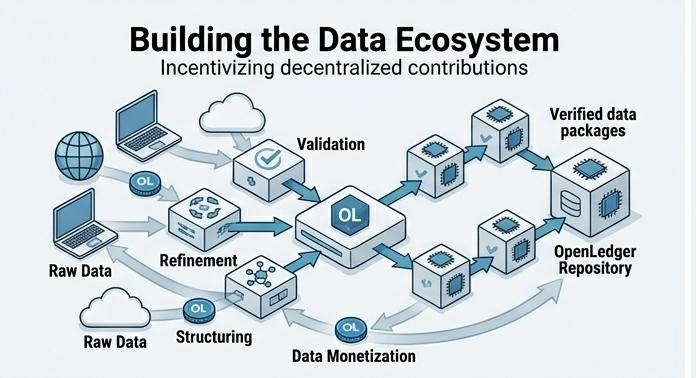
Still, I can’t deny the shift I’m seeing in market sentiment around it. The conversations feel different now. Less empty excitement and more discussion about positioning, infrastructure, and long-term relevance. That usually catches my attention because it tells me the market is trying to evaluate future importance instead of only chasing momentum. I keep seeing more people slowly talking about OpenLedger like it could become part of a larger AI infrastructure cycle rather than just another temporary trend.
I’m not looking at it with blind optimism because this market punishes emotional conviction all the time. Volatility is still real. Narrative fatigue is real. Liquidity can disappear faster than people expect. But I also think the crypto space is slowly evolving beyond pure speculation toward sectors connected to actual technological demand. AI infrastructure, data monetization, decentralized ownership, and on-chain resource economies all feel connected to where the market could move over the next few years.
Whether OpenLedger fully succeeds is impossible for me to predict honestly. Nobody truly knows which projects survive long term in crypto. But after spending so much time watching liquidity movements, market psychology, sentiment shifts, and infrastructure narratives evolve, I understand why this project keeps staying relevant in conversations while so many others fade away after a few weeks. To me, that’s usually one of the earliest signs that something might matter more later than most people realize right now.