
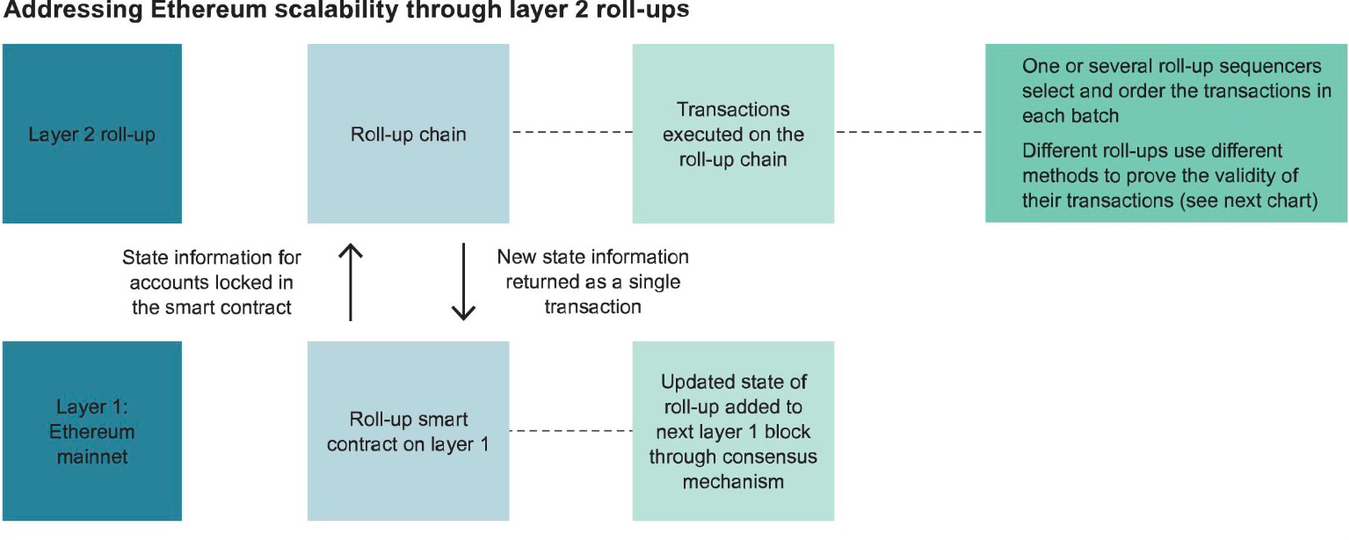
Infrastructure usually looks boring right before it becomes essential.
Most of the market still evaluates Layer 2 ecosystems through visible activity — TPS numbers, meme velocity, short-term liquidity rotation, and headline partnerships. But increasingly, I’m starting to think the real differentiation may happen deeper in the stack, inside the invisible coordination layers most traders rarely examine.
That’s partly why $OPEN caught my attention.
Not because it simply operates as another Ethereum-compatible Layer 2, but because the architecture itself quietly reflects something the market may still be underpricing: resilience through layered infrastructure design.
Right now, many people treat scalability as a speed competition. Faster execution. Lower fees. More throughput. But historically, infrastructure systems become dominant not merely because they scale quickly — they scale reliably under stress.
And reliability is rarely visible during speculative phases.
$OPEN running with both OP Stack and EigenDA creates an interesting structural positioning. One layer strengthens Ethereum-aligned execution environments while the other addresses data availability and scalability in a more modular way. Individually, these technologies are already important. Together, they suggest something deeper: a network architecture optimized not only for performance, but for long-term coordination efficiency.
That distinction matters more than people think.
Markets often underestimate infrastructure categories because users rarely interact directly with them emotionally. Nobody wakes up excited about settlement architecture or data availability layers. But institutions, developers, and capital allocators eventually care deeply about systems that reduce operational uncertainty.
Especially as ecosystems mature.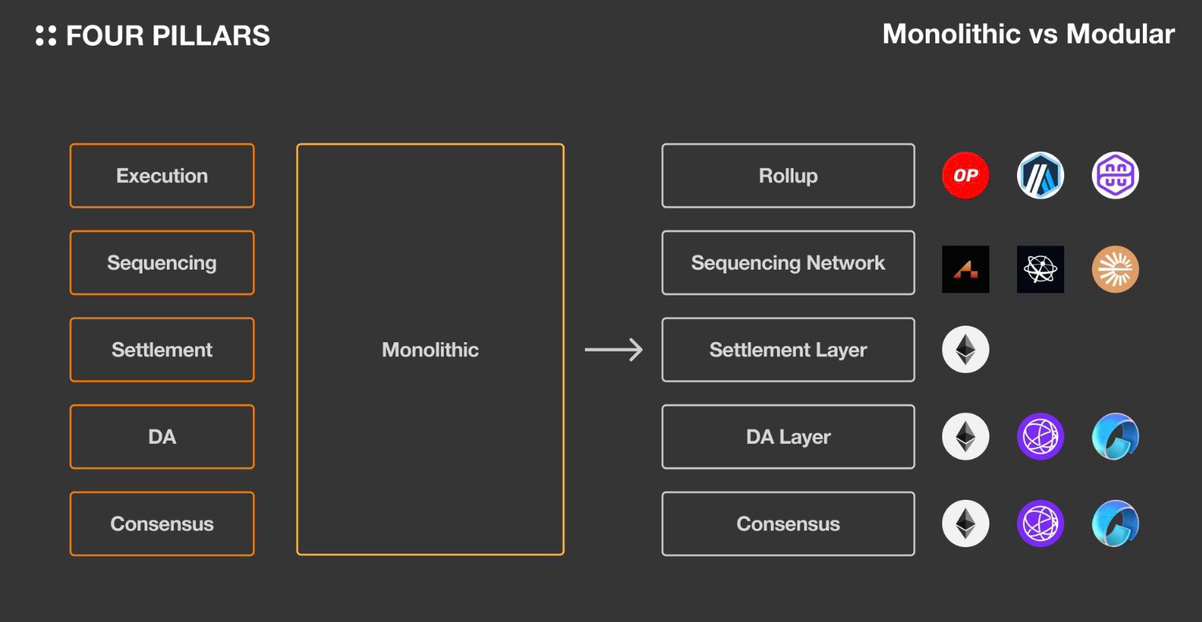
The interesting part is that modular infrastructure quietly changes incentive structures across entire networks. Builders gain more scalable environments. Applications inherit stronger operational reliability. Liquidity becomes more comfortable remaining inside systems perceived as structurally durable rather than temporarily efficient.That’s where second-order effects begin emerging.
Because over time, trust itself becomes economic infrastructure.Not trust as branding — trust as predictable coordination under pressure.Still, none of this guarantees success.
Execution risk remains enormous across all infrastructure projects. Modular systems can introduce complexity. Adoption takes time. And markets often reward visible speculation faster than invisible architecture improvements.
There’s also the reality that most users only appreciate infrastructure after failure exposes weaknesses elsewhere. Until then, narratives dominate attention more easily than coordination layers.But that may be exactly why categories like this become interesting before broader repricing happens.
Because historically, value capture tends to shift slowly toward systems capable of sustaining growth without compromising reliability underneath.And in crypto, the projects that survive long-term are often not the loudest during speculative cycles — they’re the ones quietly building infrastructure capable of absorbing future scale before the market realizes how necessary that becomes.Speculation attracts attention quickly.
But resilient infrastructure tends to capture value much more slowly — and much more permanently.