


Today morning around 6:30 am, I was clearing old photos from my phone when I noticed something funny.
Thousands of pictures, notes, screenshots, and random information sitting there doing absolutely nothing.
Then I started thinking about OpenLedger.
For most of internet history, knowledge has been strangely disposable. Someone writes a guide, uploads research, shares insights, or contributes useful data. People use it. Platforms benefit from it. The original contributor often disappears from the value chain completely.
The more I've looked into OpenLedger, the more I feel that's the assumption it's trying to challenge.
What caught my attention wasn't infrastructure or model performance. It was the idea behind Datanets.
Instead of treating knowledge as something that's consumed once and forgotten, OpenLedger is building an ecosystem where data remains connected to future outcomes. The interesting part isn't the data itself. It's the ability to understand where influence came from and who actually contributed value.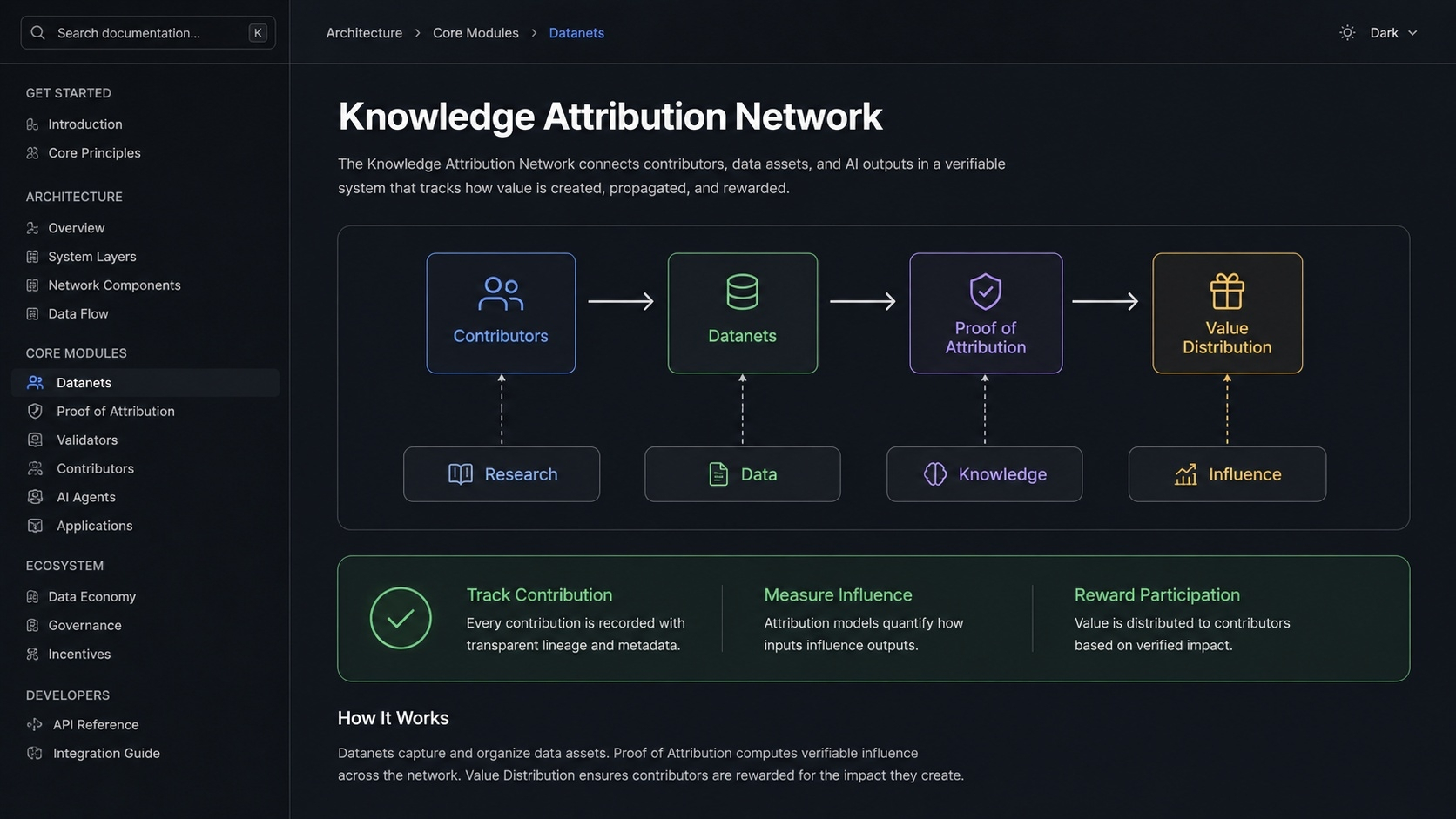
That's where Proof of Attribution becomes interesting.
I've seen plenty of projects talk about creating value. OpenLedger is spending time on a different question: how do you prove who helped create that value in the first place?
The more I read about attribution, the more I started thinking about how strange today's internet really is. Millions of people contribute information every day, yet most of those contributions become invisible once they're used.
If future systems can identify which datasets, contributors, and sources influenced an outcome, then knowledge stops behaving like a disposable resource.
It starts behaving like an asset.
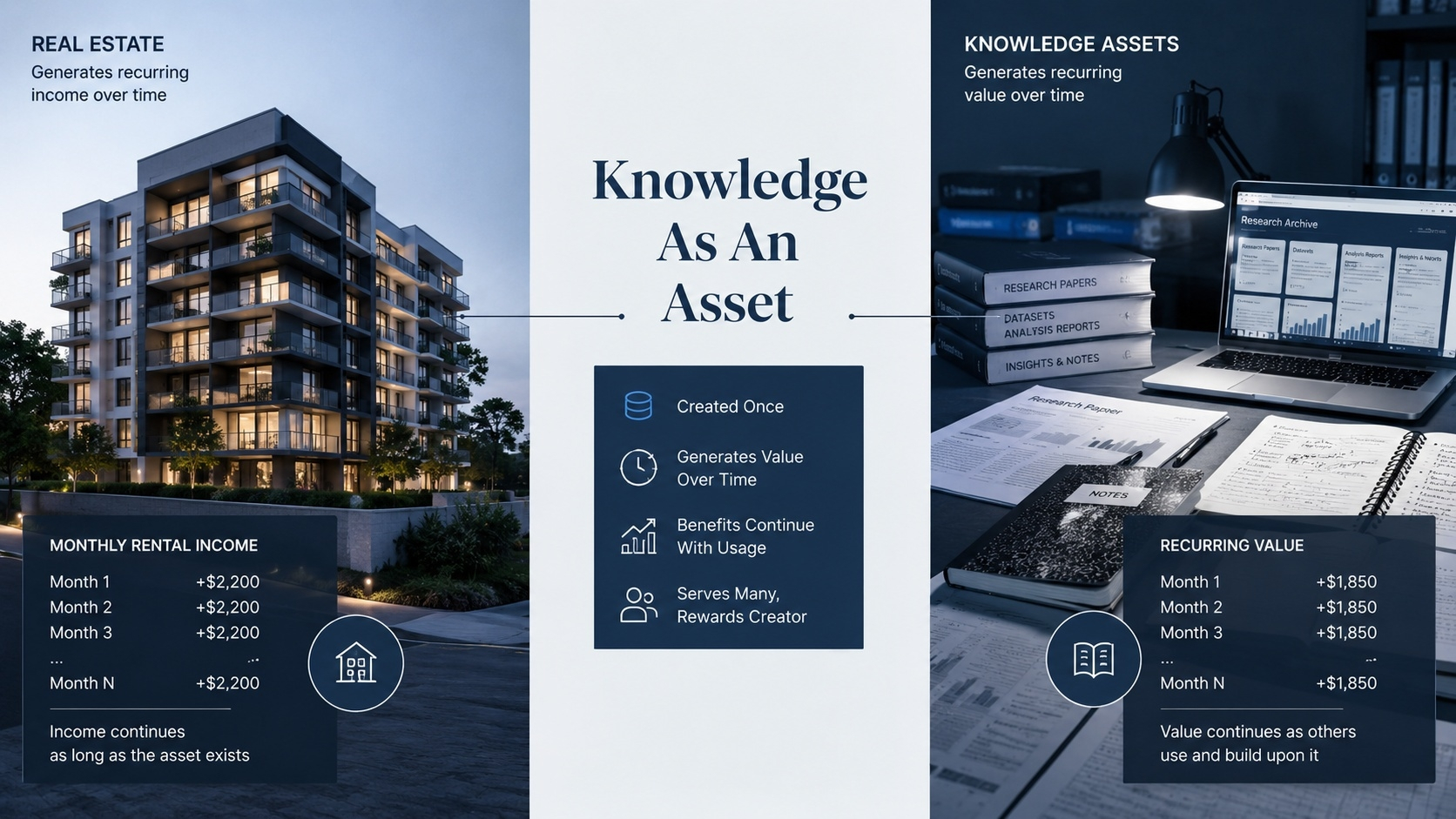
I've always compared it to real estate.
An apartment building gets constructed once, but rent can continue flowing for years. The building stays connected to the value it creates.
What if useful knowledge worked the same way?
That's the question that keeps bringing me back to OpenLedger.
The combination of Datanets and Proof of Attribution feels less like a technical upgrade and more like a new economic model. A model where contributors aren't rewarded only once. A model where influence can be measured instead of guessed.
My take is simple.
The next digital economy may not be built around owning platforms. It may be built around owning contributions.
If that happens, knowledge could become one of the first assets capable of generating value long after it was originally created.
That's why I keep watching $OPEN .
To me, OpenLedger isn't just exploring better infrastructure. It's exploring what happens when knowledge itself becomes part of the economy.
Source: OpenLedger Docs — Datanets & Proof of Attribution sections
Not financial advice. DYOR. @OpenLedger #OpenLedger