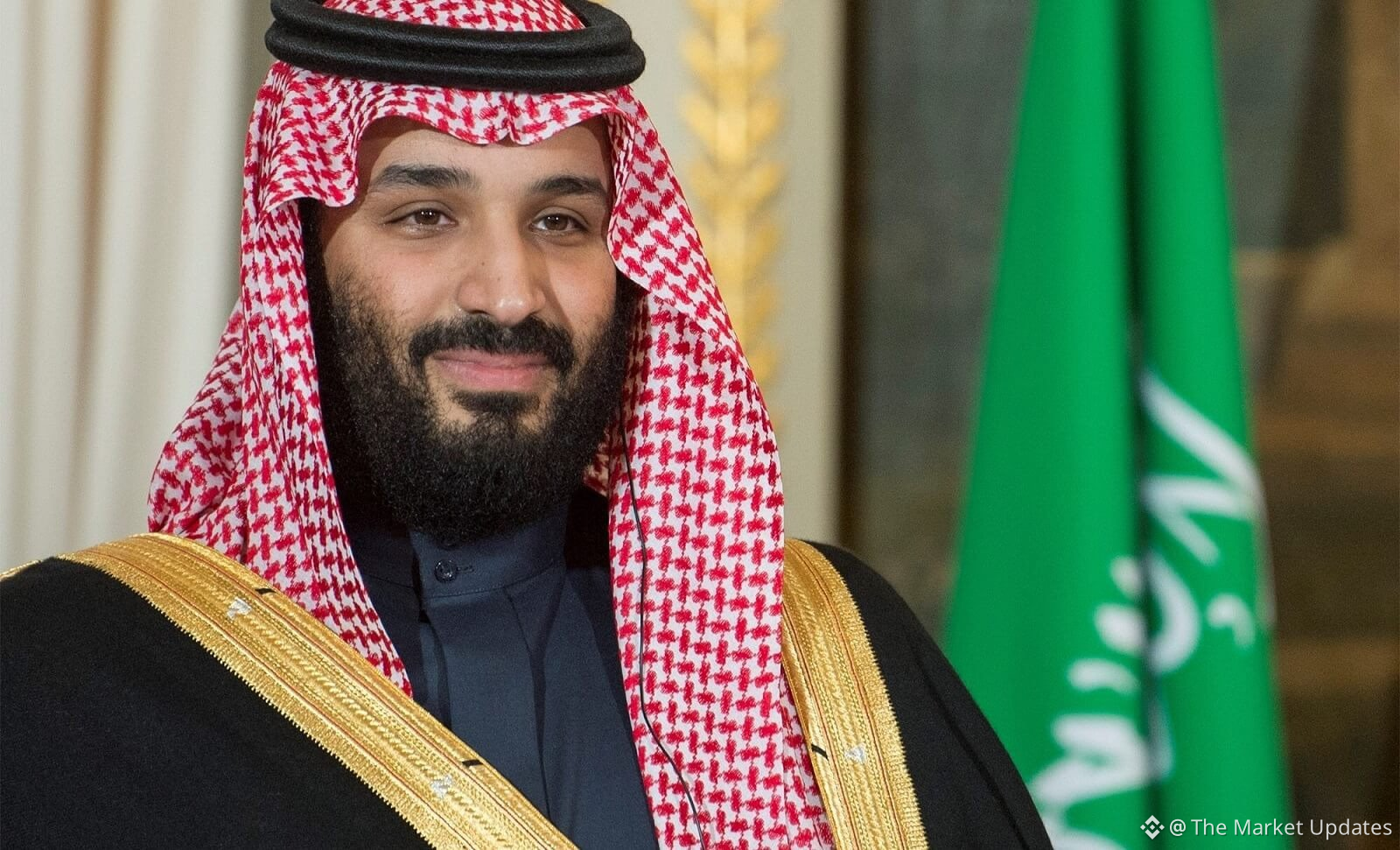
The U.S., fresh off its bold snatch of Maduro and a grip on Venezuela's monster oil stash, just reached out to Saudi Arabia.
The OPEC heavyweight that's been cozying up to Washington again.
Throw in Venezuela's reserves now under Uncle Sam's thumb, and you've got a trio packing over 600 billion barrels of proven crude.
That's not just big; it's a potential stranglehold on global supply that could leave Russia gasping for revenue and China scrambling for alternatives.
But is this a possible power play or just a tinfoil idea of mine?
Let's break it down.
First off, the reserves are no joke.
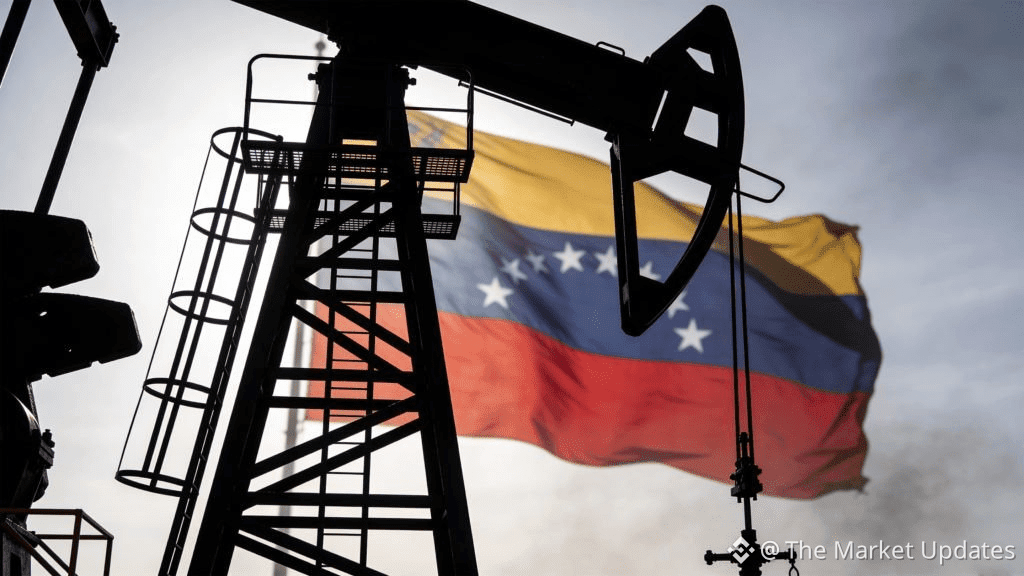
Venezuela sits on a whopping 303 billion barrels, the world's top dog.
Years of mismanagement and sanctions have tanked its output to under a million barrels a day.
Saudi's got 267 billion, pumping around 11 million daily like clockwork.
Add the U.S.'s 45 billion and its chart-topping 20 million barrels daily production, and this bloc controls nearly 40% of global proven reserves.
Russia? A respectable 80 billion, but it's an exporter kingpin relying on sales for half its budget.
China? Barely 25-28 billion domestically, forcing it to suck in 11 million barrels daily from abroad.
Mostly Russia (2.2 million), Saudi (1.6 million), and spots like Iraq and Iran.
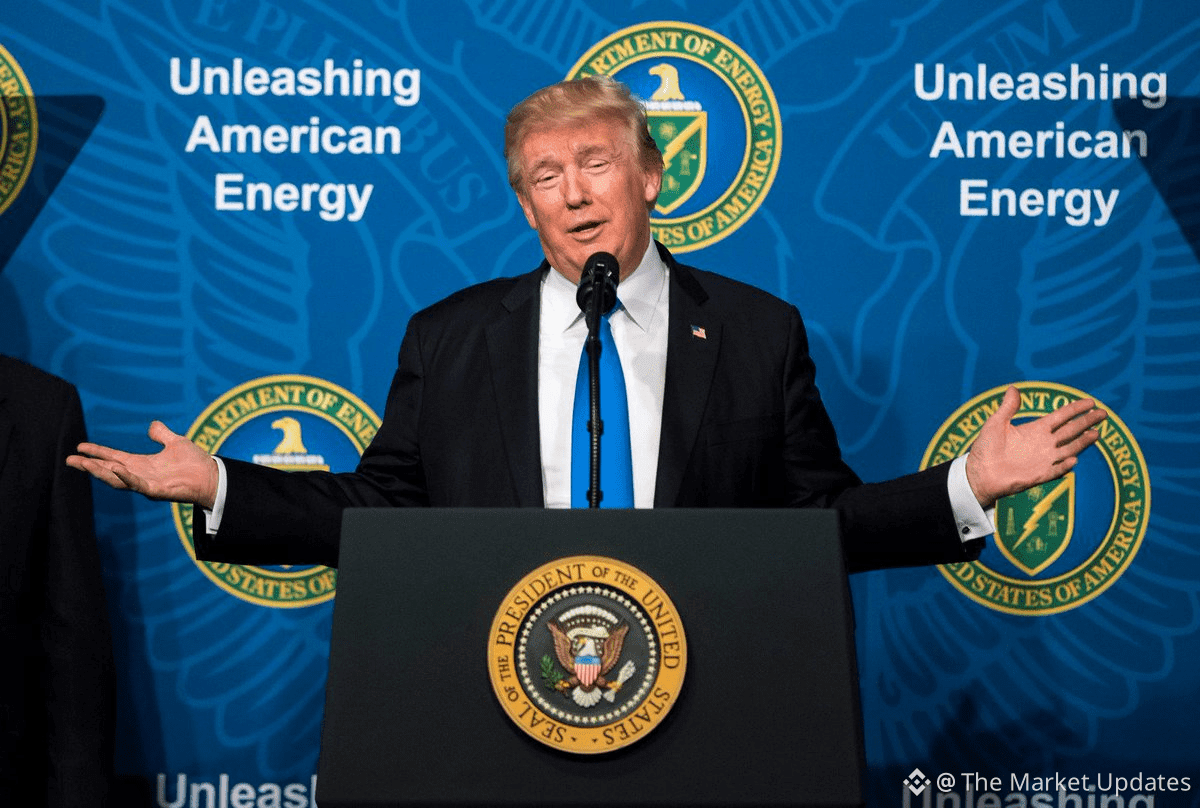
Trump's team didn't just boot Maduro; they're eyeing Venezuela's oil as a U.S.-led revival project.
Energy Sec Chris Wright's talking direct control of sales, with American firms like Exxon or Chevron pouring billions to fix the busted infrastructure.
Production could ramp to 3 million barrels daily in a couple of years, flooding markets, crashing prices, and gutting Russia's war chest.
Remember, Moscow's exports dipped 7% last year during sanctions, with revenues hitting rock bottom at $11B in November.
A supply glut from this theoretical "Oil Axis?" That's Russia's nightmare, slashing its $394B annual export haul and starving Putin's machine.
China's the real wildcard.
Beijing's imports are hooked on Russian crude (20% share).
If U.S.-influenced Venezuela diverts flows away from discount deals to China, and Saudi fully pivots West under Trump-Rubio diplomacy, Xi's got problems.
Recent Rubio-Faisal bin Farhan chats on Mideast stability hint at coordinated plays, maybe syncing output to pressure Beijing on trade or Taiwan.
China's already pivoting to Iran (1.6 million barrels daily), but that's volatile with U.S. sanctions on the horizon.
And with Venezuela's heavy crude perfect for China's refineries, losing access means higher costs or risky bets on Middle East volatility.
Venezuela's revival may not be quick, needing $100 billion+ and years from corruption hangovers.
Saudi Arabia's got its own Vision 2030 diversification, and full-on embargoes on China would spike global prices, hurting everyone (including U.S. drivers).
But Trump's track record? Tariffs as weapons, energy dominance as gospel.
This team-up isn't about total cutoff; it's leverage.
Flood the market to undercut Russia's prices, offer China deals tied to concessions, like ditching Huawei or easing rare earth access, and watch the dominoes fall.
Sources: Visual Capitalist, Grokipedia, CNN, Reuters, Energy and Clean Air