

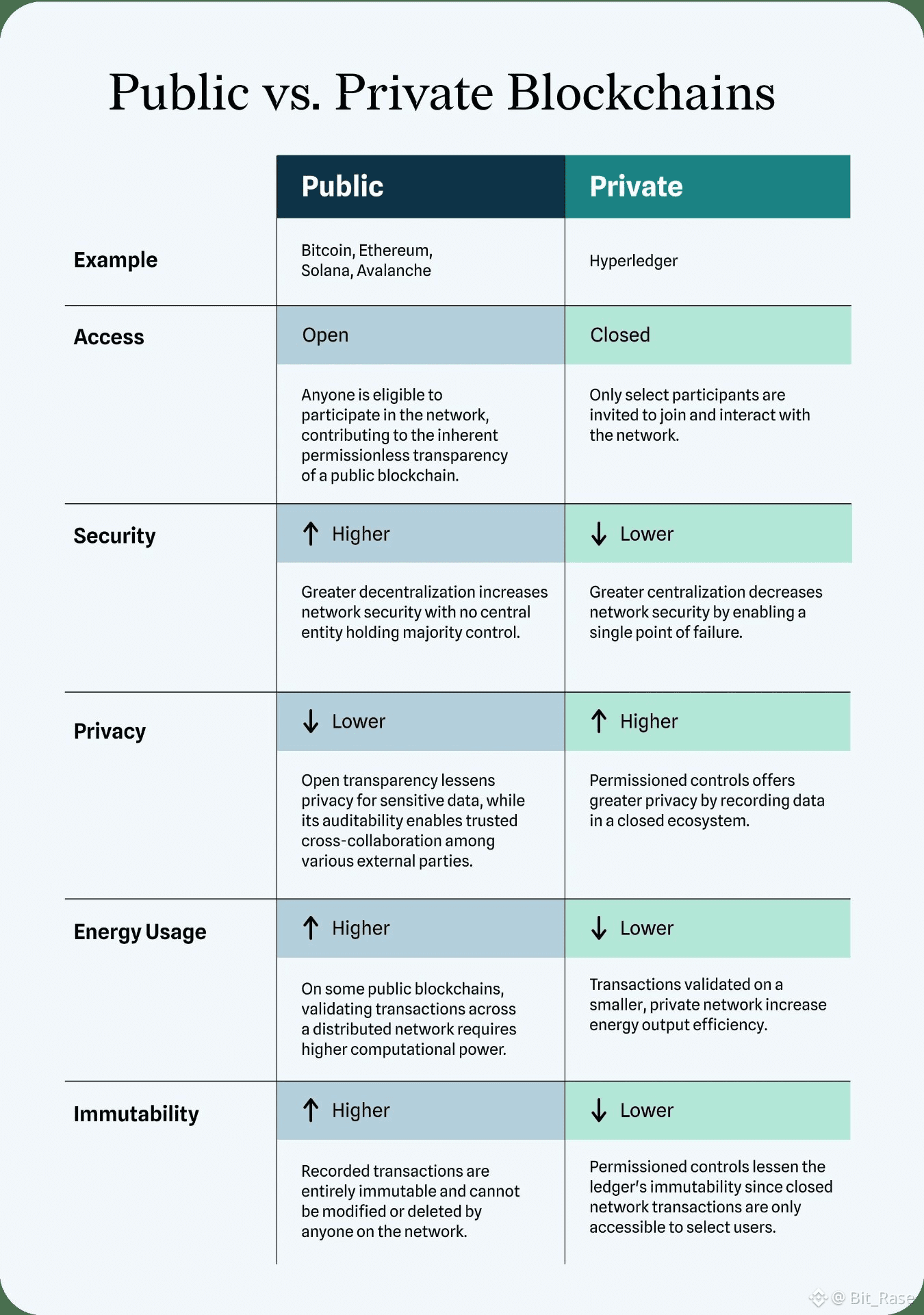
 For a long time, compliance was treated as something blockchains would deal with later.
First build the tech.
Then worry about rules.
That order worked when systems were experimental and stakes were low. It does not work once real finance shows up.
As soon as regulated capital enters the picture, compliance stops being a checkbox. It becomes part of the architecture. How data is stored. Who can see it. How activity can be verified without exposing everything by default.
This is where the shift is happening.
Compliance-ready design does not mean making everything public. It means building systems that can explain themselves when required. Quietly. Precisely. Without breaking privacy for everyone else.
Dusk is built with that assumption from the start.
It does not treat regulation as an external pressure to resist. It treats it as an operating condition. Financial data is protected by default. Sensitive details are not broadcast to the world. At the same time, verification is not optional. Oversight is expected, and the system is structured to support it without improvisation.
That balance changes how blockchains behave.
Instead of retrofitting reporting layers or relying on trusted intermediaries, compliance becomes native. Disclosure is selective. Intentional. Triggered by rules, not relationships. Privacy and accountability live in the same system instead of fighting each other.
This matters because Web3 is moving out of its sandbox phase.
Tokenized assets, institutional DeFi, and enterprise use cases do not need ideology. They need infrastructure that works under scrutiny, over long timelines, and across jurisdictions.
Dusk feels aligned with that transition.
Not chasing permissionless chaos.
Not pretending regulation will disappear.
Just designing systems that are ready for the world they actually want to operate in.
And that is what compliance-ready blockchain design really looks like.