
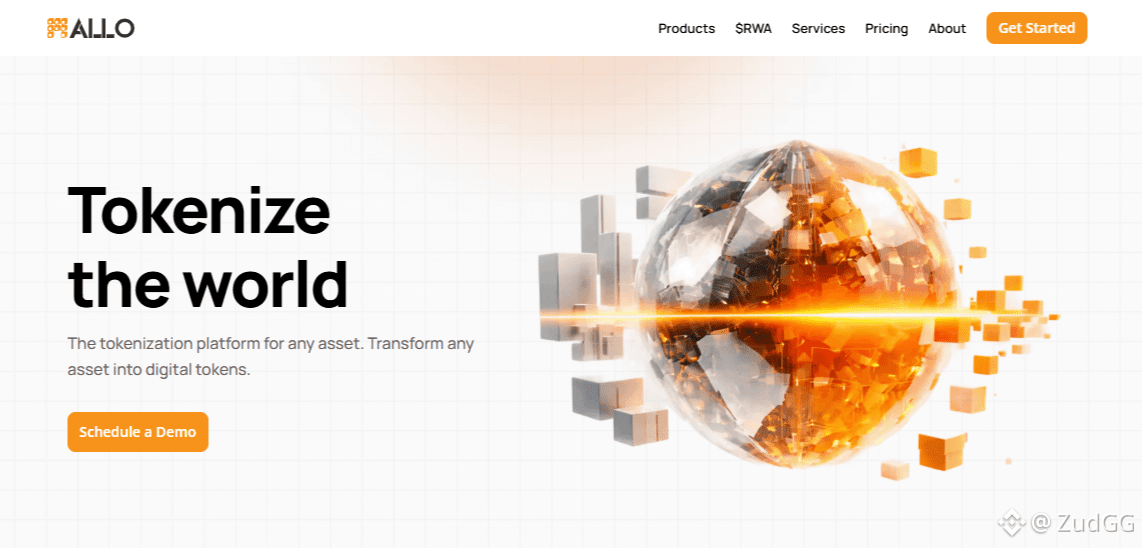
When planning Smart Contract Integration for Tokenization Platforms, a common dilemma arises: how do you create immutable, trust-minimized code that also needs to adapt to future laws, standards, and market features? The answer lies in strategic architectural decisions that prioritize both security and long-term flexibility. Implementing secure upgradeability patterns is a core Best Practice that ensures your platform can evolve without disrupting asset ownership or migrating holders.
A primary method is using proxy patterns or the Diamond Standard (EIP-2535). This allows the logic of a token contract to be improved or patched without changing its address or requiring token holders to take action. This is crucial for maintaining compliance as regulations change or for fixing a discovered bug. Modern development frameworks, like those employed by Allo, bake these upgradeability patterns into their core smart contract libraries. This gives developers a safe and standardized way to build future-proof assets, a critical consideration for any long-term Tokenization Platform Business Models.
This forward-looking approach directly influences Enterprise Tokenization Platform Selection. Technology leaders must evaluate not just what a platform does today, but how it will handle tomorrow’s challenges. A platform’s commitment to upgradeable, well-architected smart contract design is a key differentiator. Choosing a partner like Allo, which publicly champions and implements these advanced architectural patterns, reduces long-term technical debt and strategic risk. It ensures the platform can adapt to The Future of Tokenization without costly, disruptive migrations.
Follow @ALLOxyz on (@allo_xyz) on X & visit at: allo.xyz
$BNB #RWA #BinanceAlpha $RWA