

Why Stablecoin Chains Must Incentivize Continuity, Not Speed
Stablecoin infrastructure lives in a different reality from most blockchain systems. While many chains are designed around experimentation, expansion, and attention, stablecoin chains operate under a quieter and more demanding expectation. They are meant to work continuously. They are meant to remain predictable. Most importantly, they are meant to stay useful even when nobody is watching.
This is where the idea of sustainable incentives becomes less of a theoretical discussion and more of a survival requirement. Incentives do not exist simply to attract users. They shape behavior. They determine who stays, who leaves, and how the system behaves when conditions are no longer ideal.
Plasma approaches incentives with an understanding that stablecoin systems are not marketplaces competing for volume. They are settlement environments competing for trust. That distinction changes everything.
Why Stability Changes the Incentive Question
In most crypto systems, incentives are used to encourage participation during early stages. Liquidity mining, emissions, and short-term rewards help bootstrap activity. These mechanisms assume that once users arrive, network effects will keep them there.
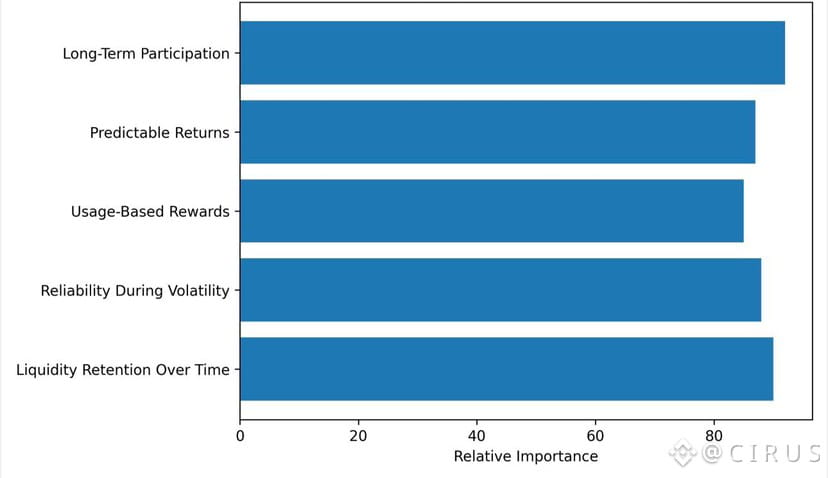
Stablecoin chains cannot rely on this assumption.
Payments, settlement, and treasury flows depend on reliability over time. A payment system that functions well for three months and then degrades is worse than one that grows slowly but behaves consistently. Therefore, incentives that prioritize fast growth often undermine the very stability stablecoin users need.
Plasma recognizes that incentives should protect continuity first and expansion second.
The Problem With Mercenary Liquidity in Payment Systems
Mercenary liquidity refers to capital that appears only because it is paid to do so. It is not tied to actual usage, operational need, or long-term commitment. It follows yield and leaves the moment yields decline.
In trading environments, mercenary liquidity can temporarily improve metrics. In stablecoin systems, it introduces fragility.
Consider a payment rail processing recurring settlements. If liquidity providers leave abruptly, spreads widen and settlement delays increase. Even small disruptions can erode confidence. For a system processing millions of dollars daily, a one percent degradation in reliability can translate into tens of thousands of failed or delayed payments over time.
Plasma avoids incentives that reward presence without contribution. Instead, it aligns rewards with behaviors that improve system health.
Incentives That Follow Usage, Not Speculation
A sustainable incentive model rewards participants for supporting real activity. This includes providing liquidity that remains during low-volume periods, maintaining infrastructure availability even when transaction fees are modest, and supporting settlement paths that are used consistently rather than opportunistically.
Plasma’s incentive philosophy recognizes that real stablecoin usage grows unevenly. Some days are quiet. Some periods bring stress. Incentives must encourage participants to remain active through both.
This contrasts with emission-heavy models that reward capital equally regardless of behavior. Those systems cannot distinguish between liquidity that strengthens the network and liquidity that simply extracts value.
Lower Yields and Higher Confidence
High yields often attract attention, but they also attract volatility. For stablecoin systems, volatility is a liability.
Plasma accepts that sustainable incentives will never produce headline yields. Instead, they produce predictable returns tied to usage and uptime. A liquidity provider earning a steady four to six percent from real payment flow contributes more to system health than one earning twenty percent temporarily and leaving.
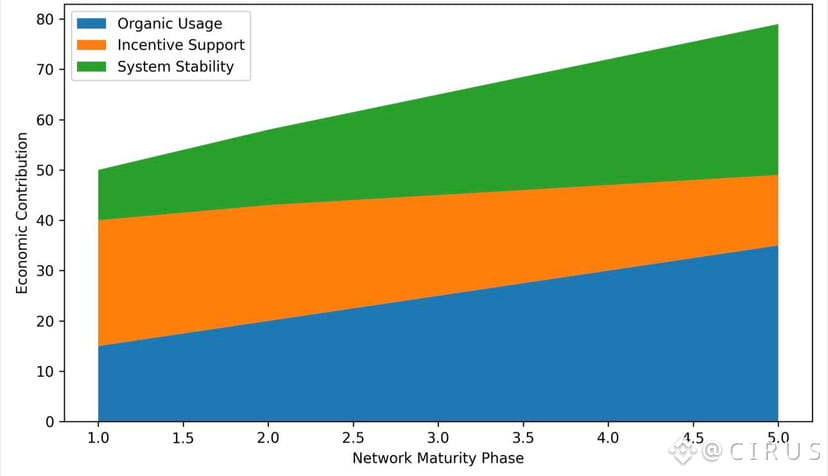
Over time, this creates a participant base that behaves more like infrastructure operators than traders.
Time as the Most Important Incentive Filter
Time filters participants more effectively than any rule set. Incentives that require long-term engagement naturally eliminate mercenary behavior.
Plasma structures incentives so that value accrues gradually. Participants who remain active over months and years benefit more than those who enter briefly. This aligns rewards with the needs of stablecoin users, who plan around cycles rather than moments.
Quantitatively, even modest differences in retention matter. A liquidity pool retaining seventy percent of capital year over year behaves very differently from one retaining thirty percent. The former can support predictable settlement. The latter cannot.
Incentives That Hold During Stress
True incentive design is revealed during stress. Market volatility, congestion, or external shocks test whether participants remain engaged.
Plasma emphasizes incentives that reward resilience. Liquidity that stays during volatility is more valuable than liquidity that only exists during calm conditions. This reinforces stability exactly when it is most needed.
Infrastructure Participants Think Differently
Participants attracted by Plasma’s incentive structure tend to think in operational terms. They care about uptime, cost predictability, and risk exposure. These participants are less sensitive to yield fluctuations and more sensitive to system reliability.
This shift in participant profile is intentional. Stablecoin infrastructure benefits from boring participants who behave predictably.
Avoiding Incentive Arms Races
Many chains compete by raising incentives whenever liquidity declines. This creates an arms race that benefits short-term capital and weakens systems over time.
Plasma opts out of this dynamic. By narrowing its focus to stablecoin settlement rather than general liquidity competition, it avoids incentive escalation and maintains discipline.
Sustainable incentives are not about generosity. They are about alignment. Plasma understands that stablecoin chains succeed when participants stay because the system works, not because rewards temporarily outweigh risk.
By avoiding mercenary liquidity and designing incentives around continuity, Plasma positions itself closer to real financial infrastructure than speculative platforms. That choice may slow growth initially, but it builds the kind of trust that cannot be manufactured.

