

Here's what I think about Vanar Chain and the metaverse: I see the metaverse as a killer app for blockchain tech, and Vanar Chain seems to get this more than most. Vanar's focus on building cool digital worlds, like Virtua, isn't just a gimmick. It's a real plan to change how we interact, create, and own stuff online.
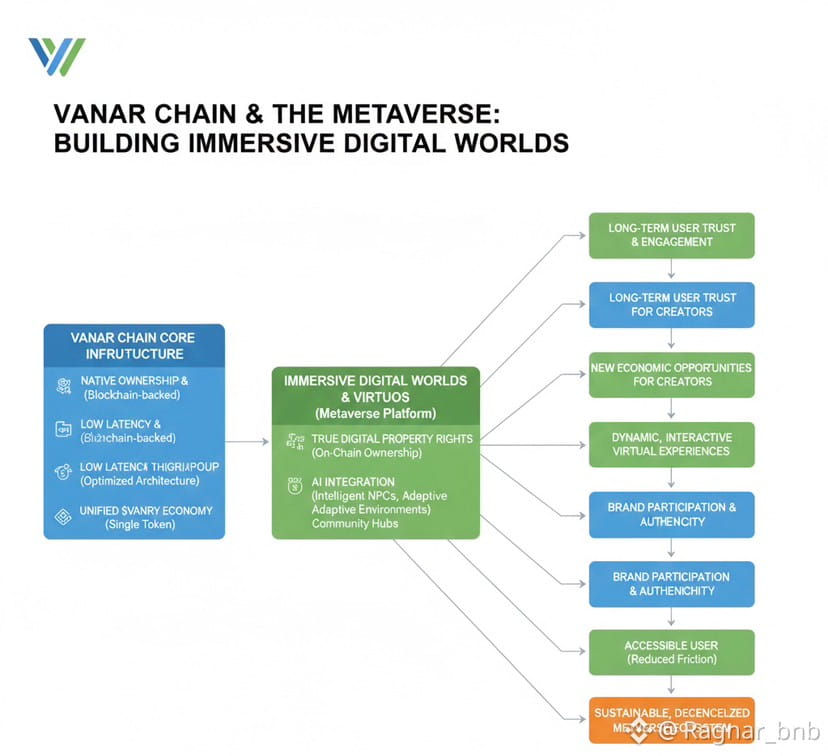
What grabs me is Vanar doesn't treat the metaverse as an add-on. It's baked right into their system. This means owning things, proving who you are, handling assets, and doing transactions are all part of the basic setup. To me, this makes for a much more solid base for virtual worlds that will stick around.
Early metaverse attempts flopped because they used old-school servers and didn't really give users ownership. The people in charge could take away, change, or block your stuff. Vanar flips this by putting ownership on the blockchain. If you buy land, collectibles, or a digital character in Virtua, it's really yours. This feeling of owning your digital stuff is key to earning people's trust.
I'm really watching how Vanar lets creators do their thing in the metaverse. Artists, developers, and designers can make virtual items, spaces, and experiences that become NFTs. These creators don't have to play by one company's rules. They can make money from their work, trade assets freely, and build a name for themselves across different worlds. It opens up chances that regular gaming and social platforms just don't offer.
Speed is super important too. Metaverse worlds need to be quick, smooth, and stable. If things lag, cost too much, or take forever to confirm, people will bail fast. Vanar's setup helps fix this with low delays and predictable costs. From what I've seen, if a virtual place isn't reliable, people won't stick around.
Putting VANRY into these metaverse economies also makes sense. Instead of having a bunch of different tokens, Vanar has one token for everything. You can buy digital land, trade items, and get special access all with the same coin. This makes things easier and gets more people involved.
AI makes Vanar's metaverse plans even better. With systems like Neutron and Kayon, these worlds can have smart characters, change based on what's happening, and give you a personal touch. That's when the metaverse stops being just a static thing and starts feeling alive. AI characters can react to you, remember what you did, and change over time.
I also think there's big potential for social stuff in Vanar's metaverses. These virtual spaces aren't just for games or collecting things. They're becoming places for meetings, events, learning, and working together. Imagine concerts, shows, and brand events inside these blockchain worlds. It creates totally new ways to connect. Vanar's system can handle lots of people without losing its decentralized nature.
Brands getting involved in the metaverse is another thing I'm watching. Lots of big names are checking out digital spaces, but they need security and trustworthiness. Vanar's blockchain makes sure ownership is clear and transactions are open. This lets brands create official digital items, events, and communities without worrying about fakes or scams.
From a user point of view, I like that Vanar is trying to make metaverse platforms easy to use. Blockchain can be complicated for beginners. Setting up wallets, dealing with fees, and understanding tech terms can be a pain. By keeping fees low, making onboarding smooth, and using familiar interfaces, Vanar makes it easier for regular people to jump into virtual worlds.
Community is a big deal in making metaverses work, and Vanar seems to know this. People are encouraged to share ideas, make stuff, and help make decisions. This feeling of owning the place builds loyalty and keeps people around. To me, these decentralized worlds only work if the community feels like they have a say, not just being controlled.
The fact that things built on Vanar can move between different apps and worlds is a big plus. If you buy a digital item in one place, you might be able to use it somewhere else. This makes your stuff more valuable and encourages people to try new things. You don't get this kind of freedom in closed ecosystems.
Staying afloat financially is also key. Lots of early metaverse projects crashed because they were based on hype, not real use. Vanar's plan to use VANRY in practical ways helps keep things balanced. Transactions, services, and access are tied to real activity, not just buzz.
I see a lot of room for growth in education and job training in the metaverse. Virtual classrooms, training simulations, and project workspaces can use blockchain to verify identities and credentials. Vanar's system makes these things possible and affordable.
I don't think the metaverse is supposed to replace the real world, but add to it. Vanar's ecosystem lets digital assets connect with real-world brands, events, and communities. This makes things more relevant and keeps these virtual spaces from becoming isolated.
Sure, there are still challenges. Tech limits, getting people to adopt it, and dealing with laws all affect metaverse projects. Vanar needs to keep improving its speed and ease of use to stay ahead. But their foundation gives them a good chance to adapt as things change.
What I like most is Vanar's commitment for the long haul. They're not just chasing quick trends. They're investing in their system, partnerships, and developer communities. This patience is key to building virtual worlds that last for years, not just months.
I think Vanar-powered metaverses could become centers for creativity, business, and hanging out. People might go to events, run businesses, build communities, and show off their personalities with digital characters and items. These spaces could become extensions of our daily lives, not just separate games.
Vanar's approach to the metaverse shows they really get both the tech and human side of things. They bring together ownership, smart tech, speed, and community into one system. This balance is hard to pull off, but it's what you need for people to really get on board.
In the end, I see Vanar's metaverse strategy as a model for how these decentralized virtual worlds should be built. By focusing on letting users own their stuff, empowering creators, adding AI, and making it sustainable, they're creating digital spaces that feel valuable and authentic. If they keep going this way, Vanar could shape the future of online experiences in a truly decentralized way.
